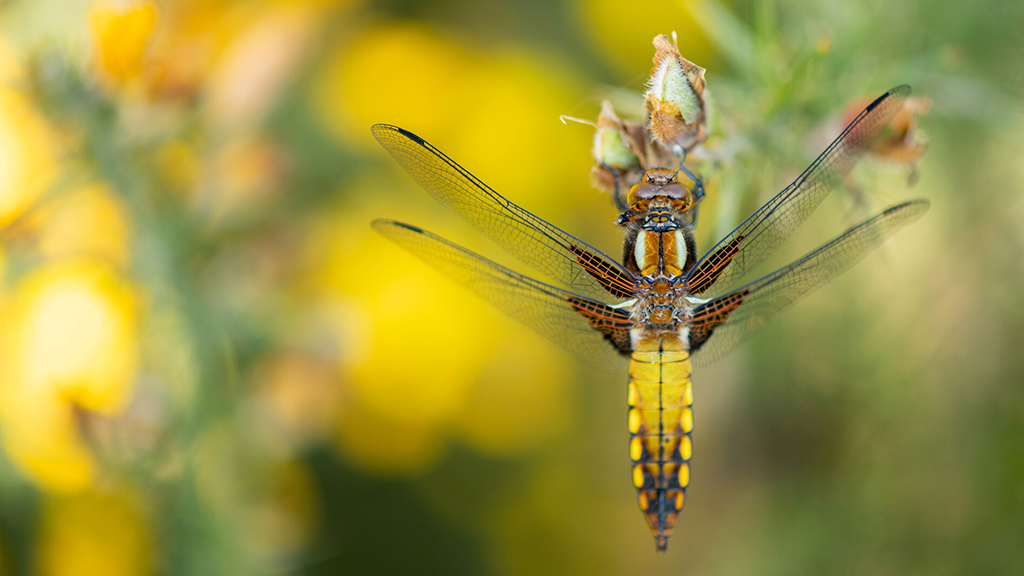
August is a fascinating time on the reserve, with young birds taking to the skies, dragonflies patrolling the wetlands, and wildlife making the most of the summer sunshine. While visitors have been enjoying the warm weather, it's been a particularly busy period for many of our resident and migratory species.
Young Marsh Harriers Take Flight
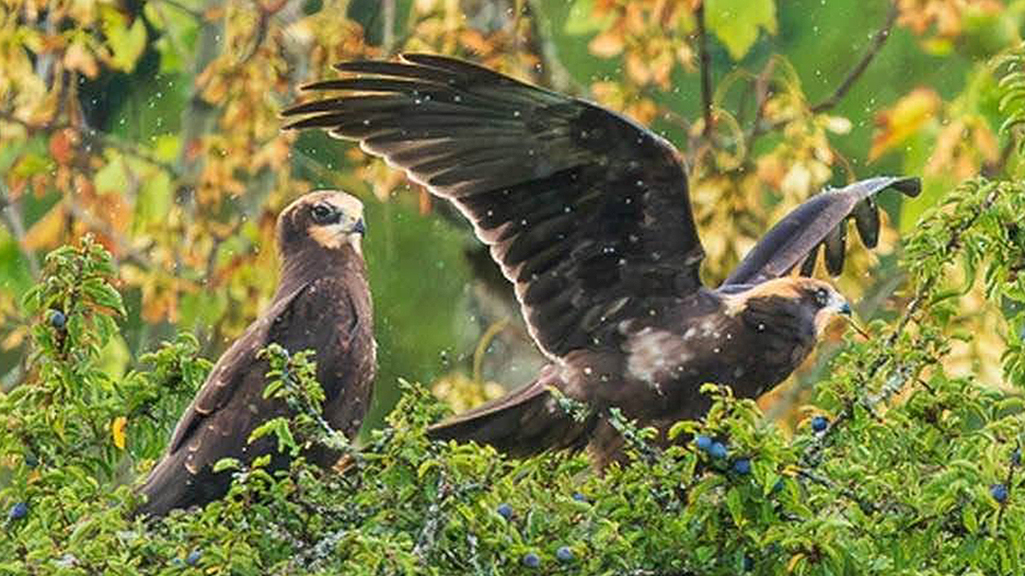
One of the highlights of recent weeks has been the appearance of two juvenile marsh harriers. These stunning young birds have been showing off their newly acquired flying skills over the Large Lagoon and wet grassland, delighting visitors and staff alike.
Our resident pair were especially secretive during the breeding season this year, leaving us wondering whether their nesting attempt had been successful. Thankfully, the arrival of two impressive fledglings in mid-July confirmed that all was well. Not everyone is quite as pleased to see them, however. The nesting cattle egrets have been keeping a close eye on their new airborne neighbours and don't seem particularly impressed by their regular fly-pasts!
A Summer Spectacle at the Sand Martin Hide
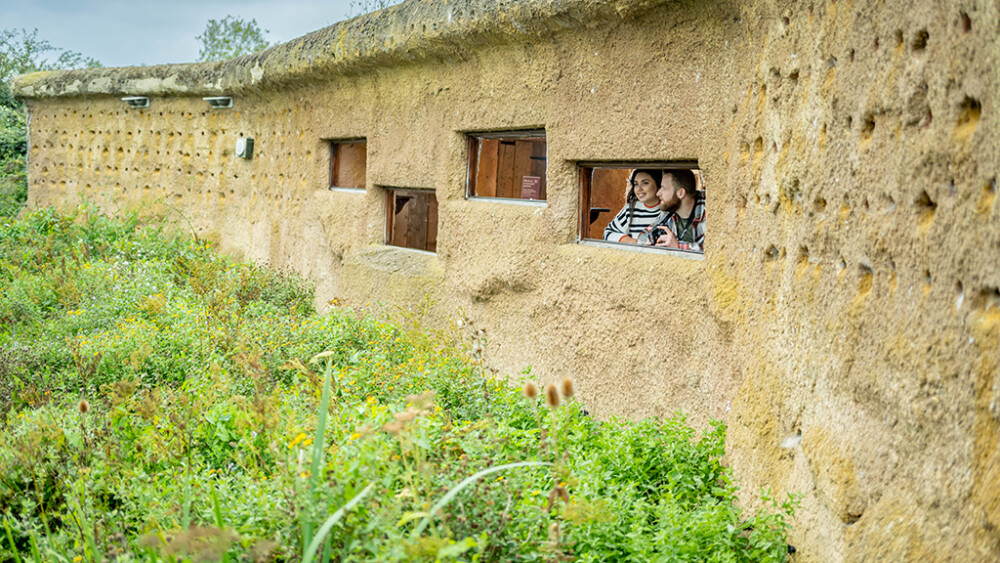
The sand martins are also busy, with their second broods now fledging. This means even more activity around the Sand Martin Hide, where visitors can watch these agile birds darting and swooping over the water.
It's remarkable to think that in just a few short weeks, these newly fledged youngsters will embark on an incredible journey to sub-Saharan Africa. They won't be travelling alone. Reed warblers and sedge warblers are also busy feeding second broods before beginning their own long-distance migrations. Listen carefully near stands of common reed and you'll hear the constant chorus of hungry chicks calling for their next meal.
Barn Owl News and Diving Ducklings
We're also keeping our fingers crossed for our resident barn owls. There is a possibility that they may attempt a second brood this year, and we'll be checking the nest boxes soon to find out.
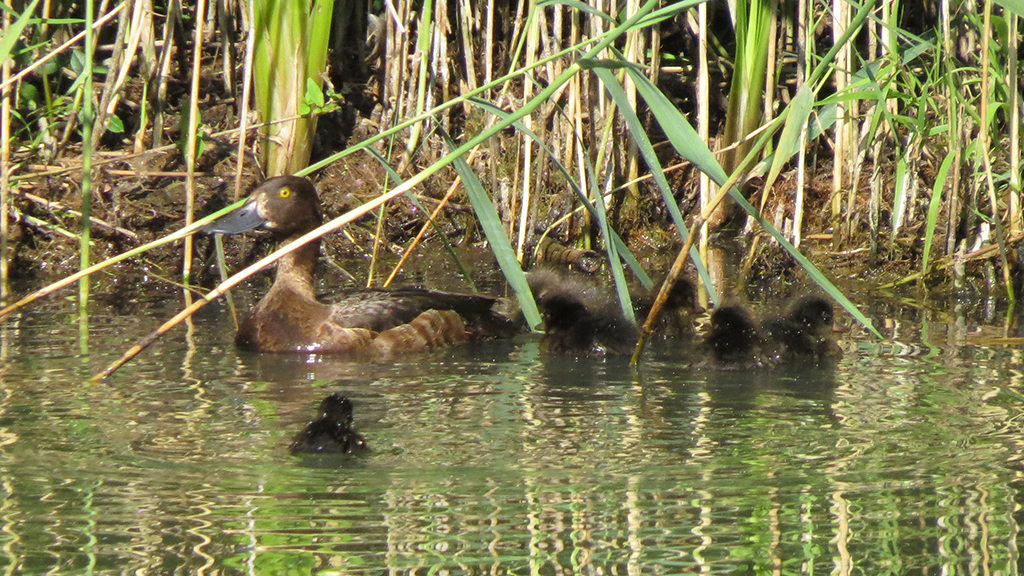
Around the reserve, the occasional brood of tufted ducklings can still be spotted on ditches and ponds. These fluffy youngsters are wonderful to watch, particularly when they demonstrate their impressive diving abilities at such a young age.
Sunshine Brings Dragonflies in Their Thousands
The prolonged spell of warm, sunny weather has created ideal conditions for dragonflies and damselflies, which seem to be everywhere across the reserve at the moment. Their dazzling colours and constant activity are one of the joys of summer wetlands.
While the sunshine has provided excellent conditions for insects, it has also brought challenges. Like much of the country, we're in need of some rain. Water levels have been falling in the reedbed.
Fortunately, the desilting work carried out on the front ponds last winter is already proving its worth. Although water levels have dropped, the ponds are deep enough to continue supporting the many species that depend on them throughout the summer.
Butterflies Flourish in the Heat
Butterflies are thriving in the warm conditions, bringing colour to every corner of the reserve. The heat has made wildlife surveys a little more challenging, however. Our reptile monitoring has been particularly tricky this year, as the refugia we check become far too hot during the day for reptiles to shelter underneath.
Snakes, meanwhile, seem to relish the warm temperatures and move incredibly quickly, making them much harder to spot. Unlike the rest of us, who are finding the heat makes moving around quite a bit more difficult!
Whether you're hoping to see newly fledged marsh harriers, clouds of dragonflies, or the last broods of summer ducklings, there's plenty of wildlife activity to enjoy across the reserve this month.