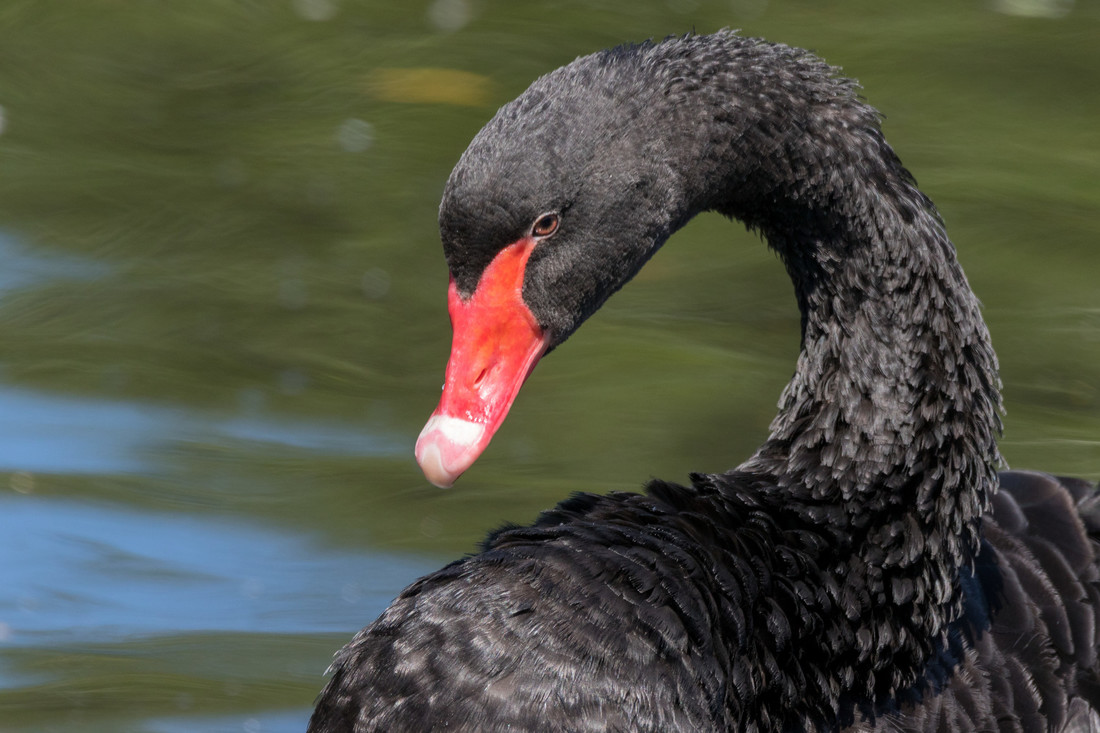
Each month we celebrate a different species in our Living Collection for our 'Bird of the Month'. This month, we are highlighting the black swan!
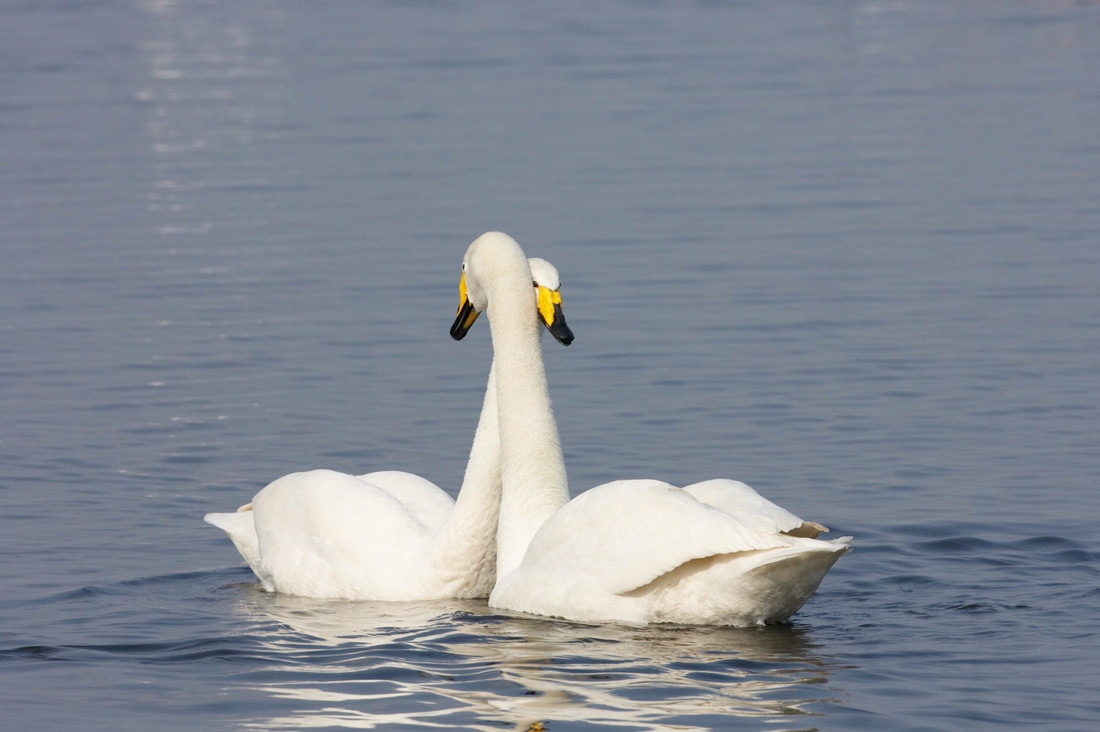
WWT Martin Mere is home to a pair of black swans, which perform synchronised head bobbing, honking noises, and if you’re lucky you will see their necks arch to create the famous heart shape.
Where can I see black swans?
Black swans are widespread in Australia. In the UK, only small feral populations exist. These originate from ornamental birds that escaped captivity in the late 18th century and went on to establish breeding groups in the wild.
Do black swans mate for life?
Yes, black swans are largely monogamous, meaning they usually mate for life. If one partner dies, the surviving swan often finds a new mate within around six months.
That said, black swans are not always romantics. Around 6% “divorce”, even when both partners are alive, and go on to find new mates in future seasons.
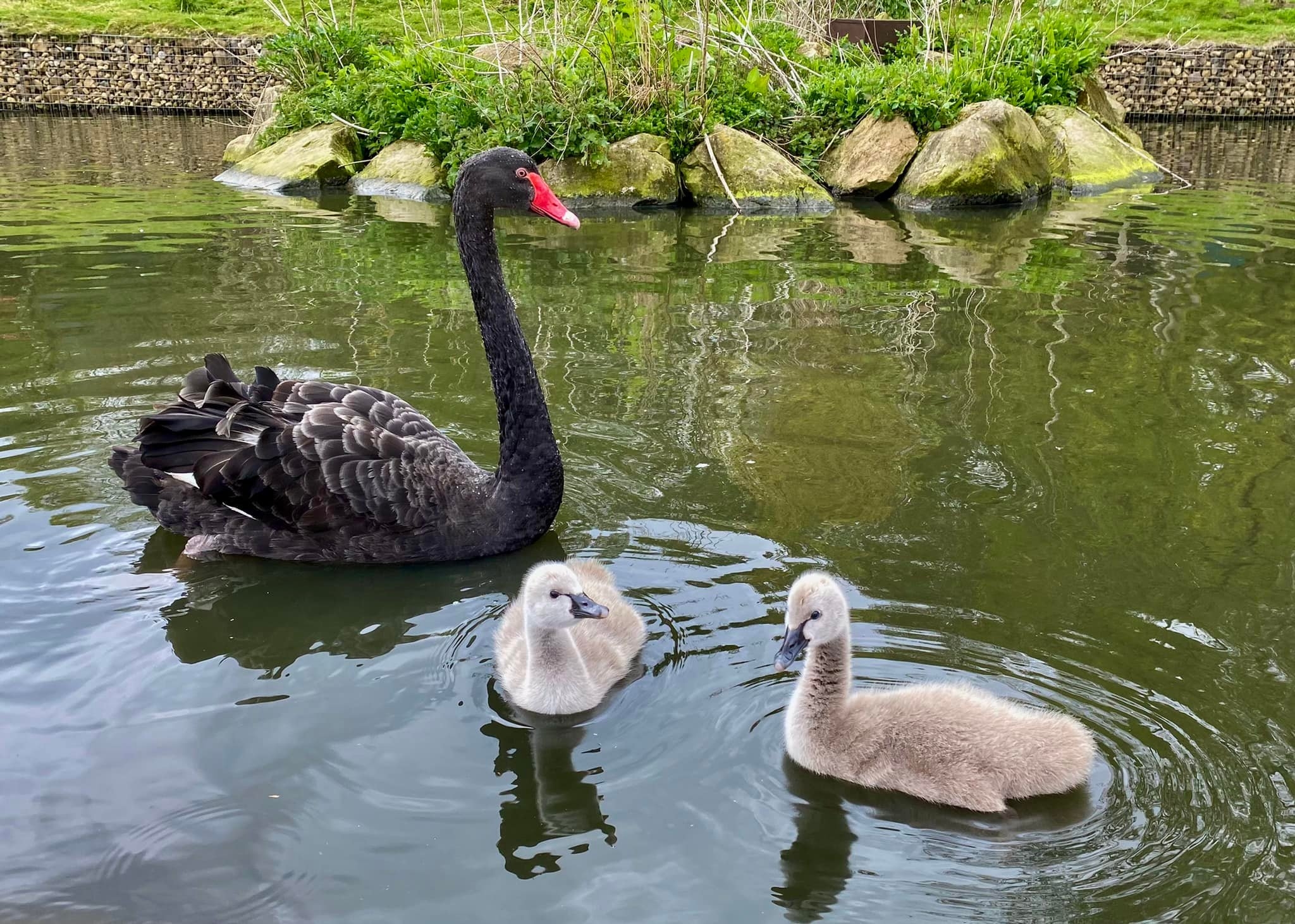
What are black swans breeding habits?
Black swans will build large nests out of reeds and grasses near the water’s edge. The female will lay around 4-8 eggs and both parents will take it in turns to incubate the eggs. It takes around 35-40 days until they hatch. You may also see that they become more territorial during breeding season as they protect their nest!
How to see black swans at Martin Mere
The pair of black swans at WWT Martin Mere can be seen in the Weird or Wonderful area, at the entrance bridge. Keep a look out as they will come up close to check you out!
Inspired to visit?
WWT members enjoy unlimited visits all year round. Or, non-members can save 10% when they book online in advance.