It’s been another exciting few days at WWT Martin Mere, with Spring in the air…
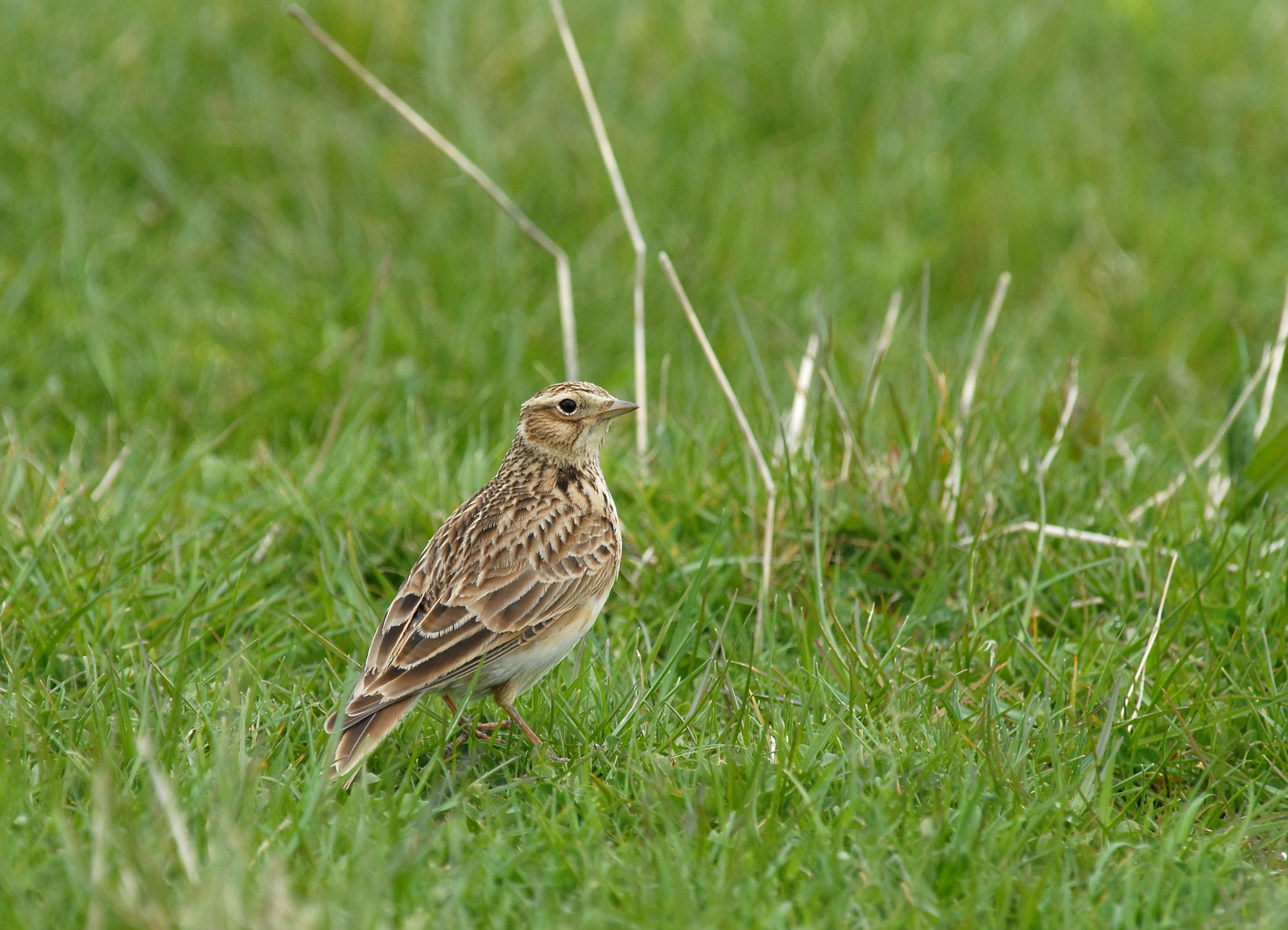
The first signs of Spring migration are starting to appear, with a continued presence of Curlew – at least ten were recorded today (Thursday) leaving the roost, as they make their way from their coastal wintering grounds to breeding sites in the uplands. Oystercatcher numbers continue to grow on the back of the Mere, and with our wardens hearing Skylark singing on the outer fields, it definitely feels like the season is turning.
Barn Owls continue to be seen across the site, with the Ron Barker and United Utilities hides remaining the best sites to see them from – these hides have also produced Marsh Harrier, Buzzard and all three Egret species – Great, Little and Cattle – in recent days. A Green Sandpiper was also seen from the Ron Barker hide.
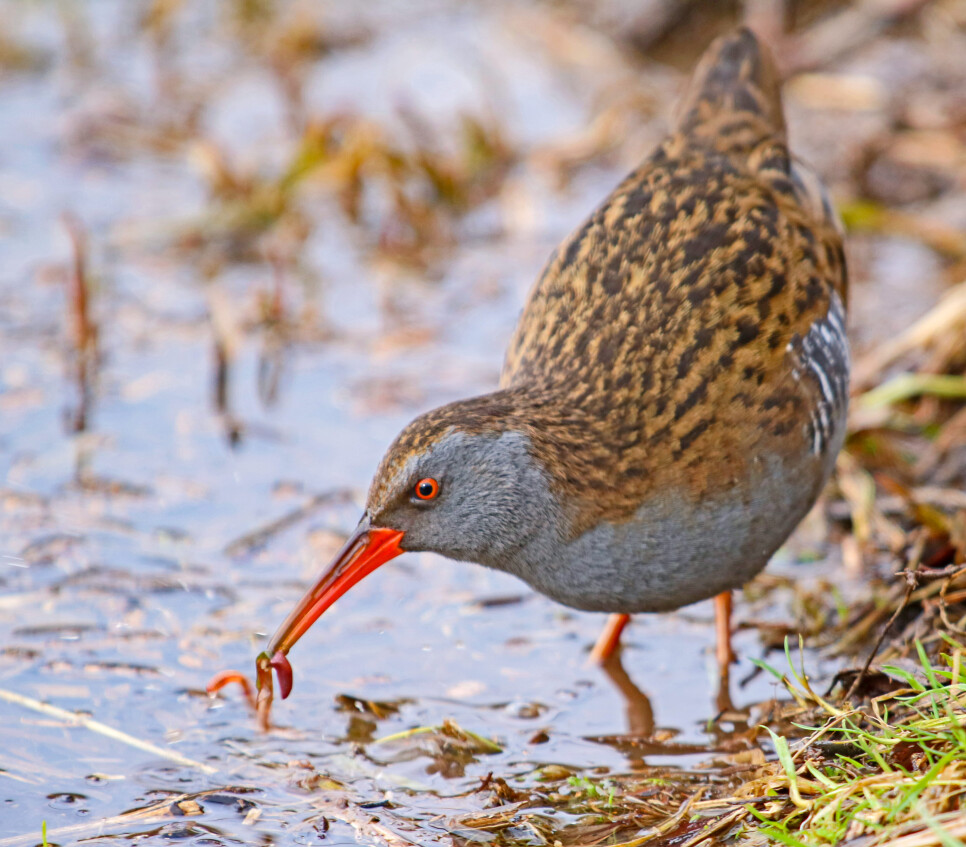
The Harrier Hide has produced both Glossy Ibis (which is often on Woodend Marsh) and eight Russian White-fronted Geese today – following the Reedbed Walk from here may also provide the calls of illusive Water Rails and Cetti’s Warblers, as well as a good likelihood of Grey Heron.
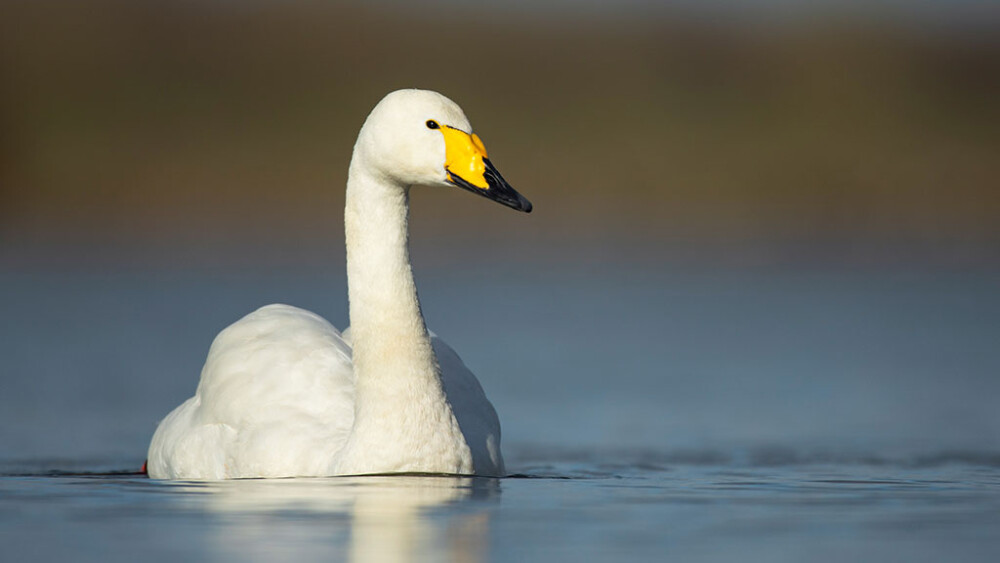
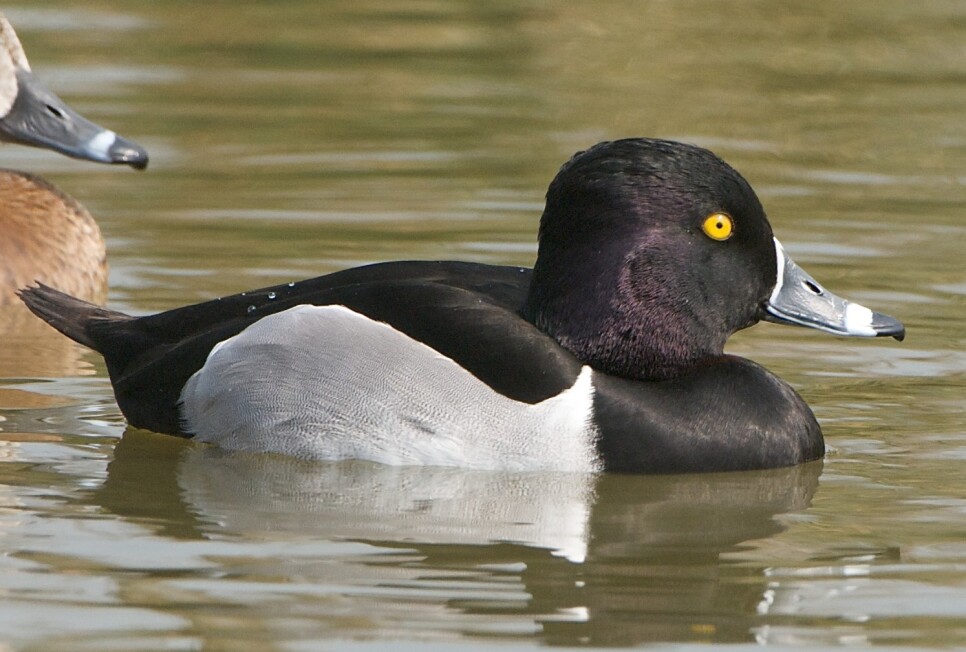
On the Mere, Snipe have been seen in front of the first screen in recent days, and at least 700 Black-headed Gulls and 360 Jackdaw were seen leaving the roost one morning. Stonechat can often be seen distantly, perched on the rushes and reeds at the back of the water, and the usual wintering wildfowl such as Pochard, Pintail and Whooper Swan persist in good number – keep an eye out for the Swan carrying a GPS collar, harmless and important scientific equipment which experts use to learn about bird migration.
Photograph of a Skylark