

Whether rain, shine or blizzard, our reserve team do a daily count of the wild animals on our site.
In these monthly blogs, we look at that data from years gone by and explore trends, observations and records, and talk about how we manage the site and how it impacts those animals.
This month we look at a site record and discuss some of our strategies for attracting and protecting wild birds by looking at the curlew and the siskin.
With the New Year rang in and the festivities of December over, it can be difficult to bring ourselves to venture outside, especially with January not only being one of the coldest months but also, statistically, the wettest.
A brisk walk in nature (particularly when near water) is proven to boost both health and happiness. Yet here at WWT Washington we have even more reasons to go outside at this time of year - hundreds of reasons, in fact!
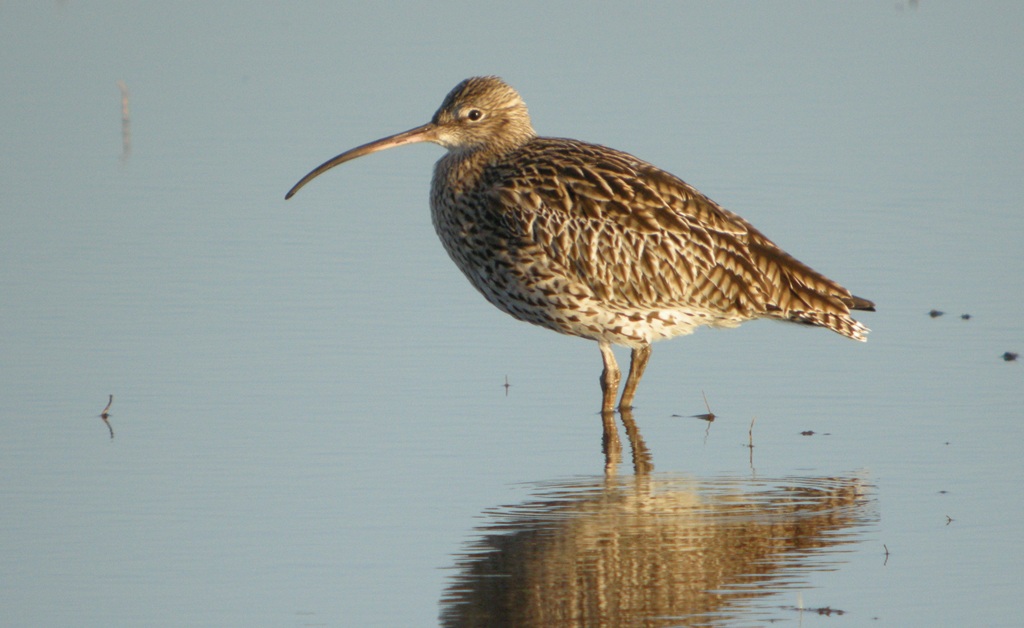
The curlew is a distinctive wading bird, noticeable for it’s down-curved bill and long legs. It is the largest European wading bird, and we get a large arrival of them during the colder months when they arrive from Scandinavia to call WWT Washington their winter retreat. Here in the United Kingdom, we get both over-wintering visitors during the cold months and a breeding population during the warmer months.
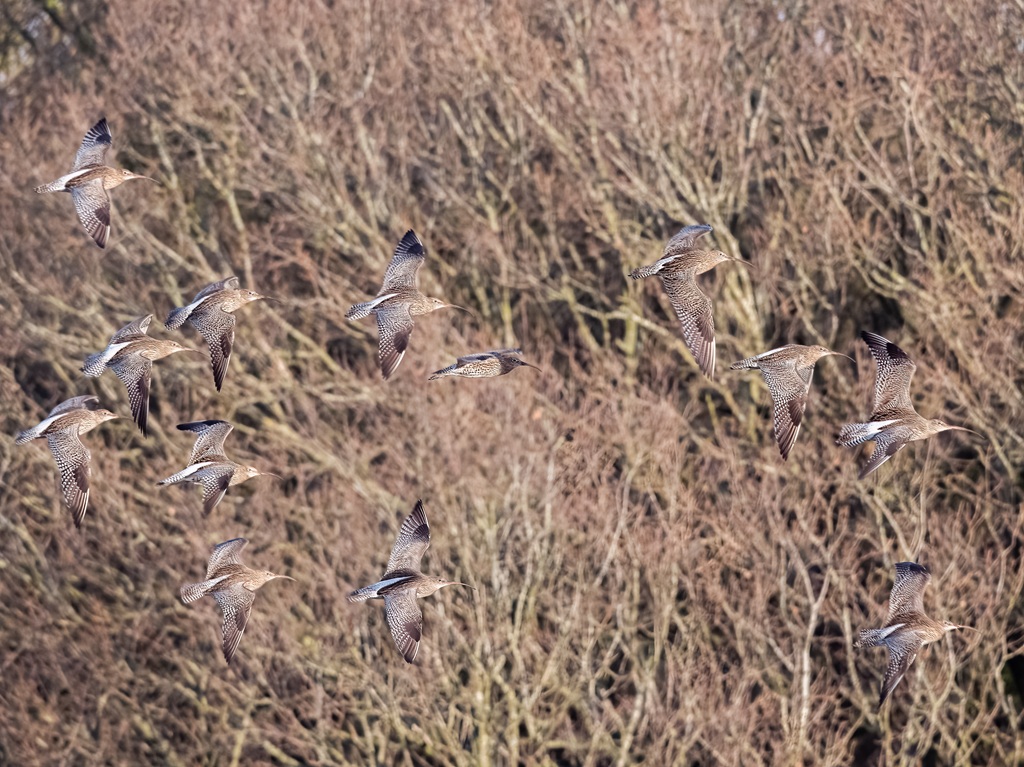
Looking at the data, curlew are a common sight over winter, particularly in December and January, at our Wader Lake and the saline lagoon. The highest record on site for a single flock was 1220 curlew spotted on 12 January 2013, which was one of the highest populations of curlew in the United Kingdom and around 1% of the total winter UK population of curlew at the time.
Maybe even more astonishingly, that single record was 0.1% of the estimated global population of curlew. This means that we had 1/1000 of the entire world’s population of curlew at our Wader Lake, at one time.
In more recent years we have seen highs of 900 in 2017; 565 in 2021 and 500 in 2018 and 2025. We believe winter numbers are dropping because of both global curlew population decline (curlew numbers are dropping globally by around 25% every 15 years) but also milder weather further up their migratory routes, meaning they don’t have to travel as far south to escape the harsher winters.
The graph below shows the population of curlew at WWT Washington and how it changes across a decade, starting at January 2016. It has the winter peak count (the highest daily count we did during the winter), but more importantly it shows a trend line, where we can see that overall, the population of curlew on site is slowly declining.
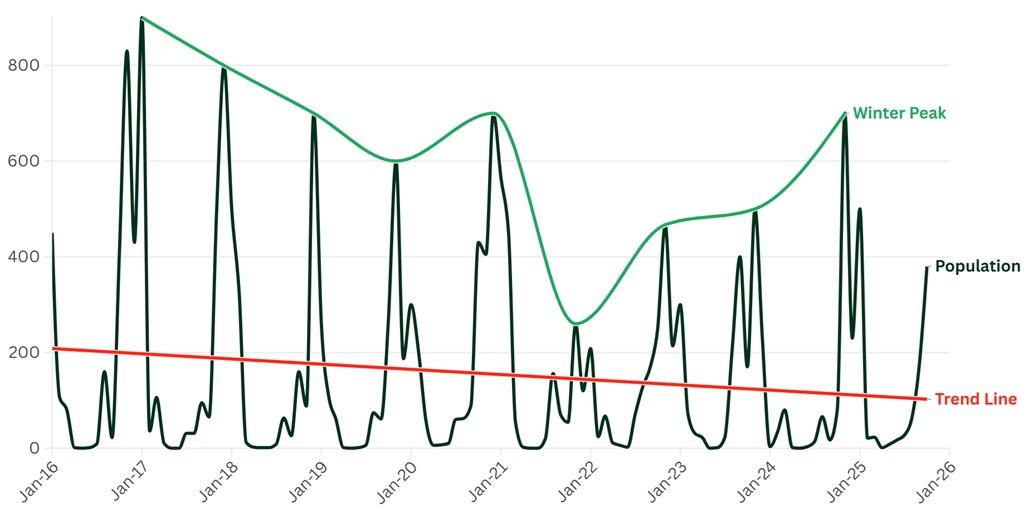
The nine peaks are each winter, when we get the greatest amount of curlew visitors to the site, but also there are smaller peaks around July and August when we get our summer visitors. Curiously, these summer curlew will fly further south for the winter and our winter curlew come to roost from colder areas, meaning our summer curlew don’t like the cold weather as much as our winter curlew do.
The population of visiting curlew have been observed in different areas across the site (pie chart below) and clearly favour Wader Lake (this includes the lake and surrounding areas, most notably the Wader Meadow). We also see them frequently around the saline lagoon (and Lagoon Meadow), as well as other areas on site, such as the Amphibian Ponds and Hawthorn Wood Hide, but most of the “Other Areas” sightings were on the River Wear where low tide allows curlew to feed in the mudflats.
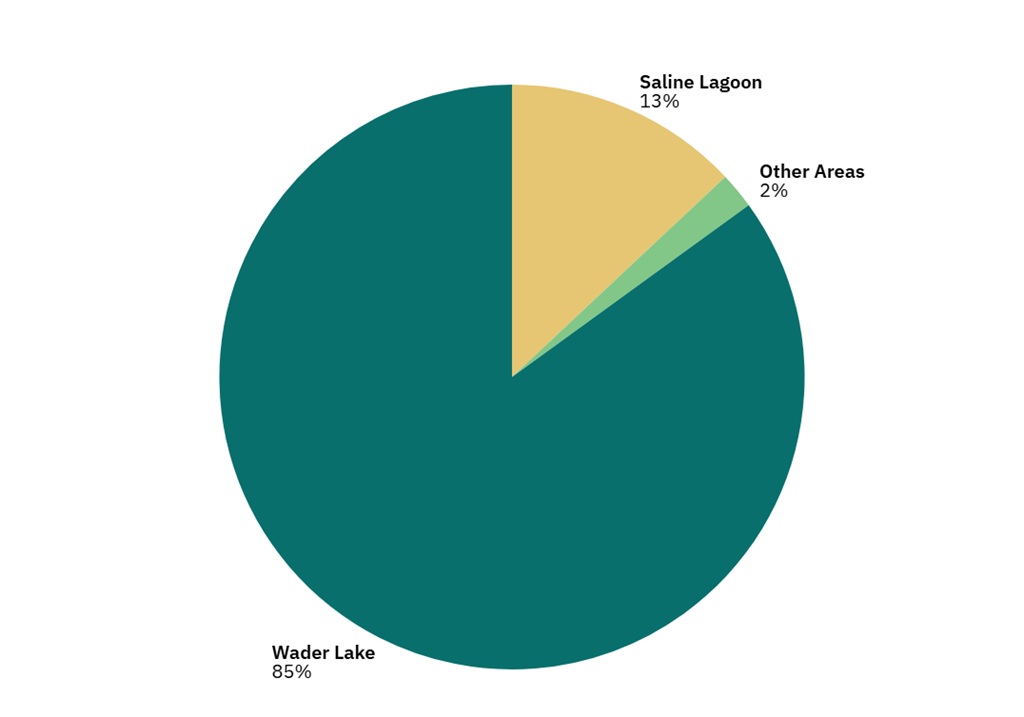
The higher percentage of curlew at Wader Lake can be explained by the way we manage that area of the site. The meadow at Wader Lake is cut specifically to attract winter roosting birds - including the curlew. Not only do they find the shorter grass more comfortable to move through with their long legs and wide feet, but it also provides security from predation. Smaller predators such as stoats or weasels can’t sneak up on roosting birds on the meadow because the grass is short.
Wader Lake is also inside our fox-proof fence line. This means they are protected from larger predators and the lake and meadow are secure from human activity when the site is closed - there are no evening ramblers moving around disturbing them or dog walkers accidentally throwing a ball through a flock of roosting birds.
The level of water on the lake is manually controlled too, being lowered or raised throughout the year by the reserve team, which keeps the habitat healthy and favourable for our bird visitors.
During the autumn passage - the time of year when we see a lot of migratory birds travelling to the UK - we drain the shallower regions of the lake to expose more of the mud, which attracts many wading birds that are flying overhead. Then, just before winter really kicks in, after the autumn passage of migrators have passed and used the mudflats, we flood the lake again. This is to prevent the frost and ice from damaging the invertebrate life in the mud below, the surface of the water may freeze over but the mud underneath is kept at safe temperatures. This not only ensures there is food for birds which feed on the invertebrates but also that the lake ecosystem is kept healthy.
We also cut back the trees around Wader Lake to promote sightlines for the birds. This means they can keep watch for aerial predators, such as sparrowhawks, allows for easier take-offs and landings on or around the lake.
Looking further back into the history of the site, curlew have been a constant visitor since the site opened. Their numbers really took off in the late 80s and early 90s however, going from a dozen or so visitors in the summer to hundreds of winter migrators arriving yearly.
Curlew are considered to be quite a loyal bird to roosting locations. When they find one they like, they seem to come back year after year to the same spot. This boost in the population at the turn of the 90s is probably due to development on land adjacent to WWT Washington. What used to be farmer’s fields and meadows, where the curlew may have once over-wintered, is now factories, warehouses and new housing estates, and the fields which remain have likely been treated with pesticides and herbicides (particularly in the latter half of the 20th century) which harms the curlew.
This makes our site incredibly important, being not only a green space in a fairly urban area for visiting and roosting curlew, but one that is actively managed and protected to provide them a safe place to survive.
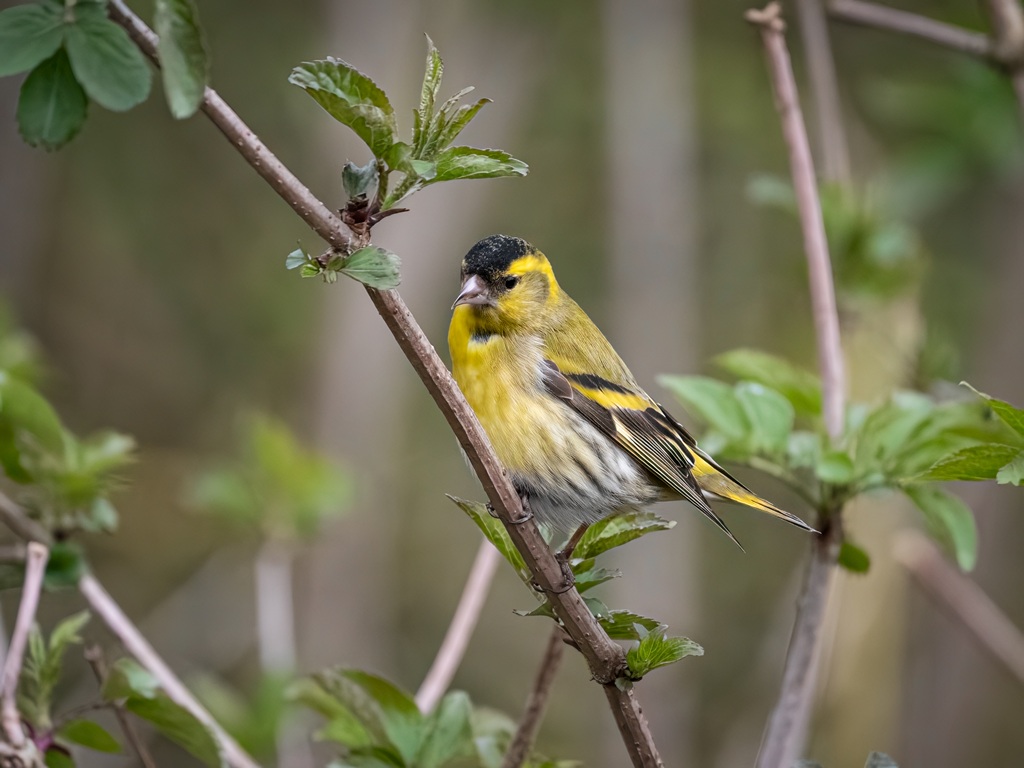
Another visitor to the site which can be seen regularly in January is the siskin, a small finch which loves to eat tree seeds. They can be found in groups around wooded areas and gardens.
While not seen in quite as many numbers as the curlew, we regularly see peaks in the 40-50 region with one count of 100 in the winter of 2023-2024. The graph below shows their population at the site over the last decade, visiting in the autumn and winter, with peaks in December and January. The siskin prefer sparse pine or mixed woodland, particularly spruce, to breed and so usually travel a little further north in summer. Thankfully, siskin are not considered to be at risk and have a healthy population here in the UK, with over 400,000 breeding pairs. A steady, slightly upward trend line suggests we have a strong regional population.
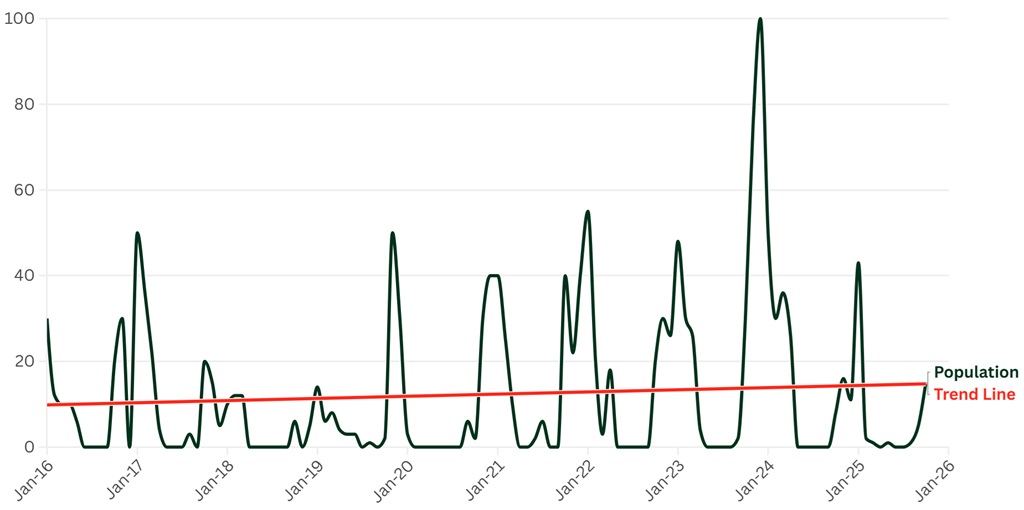
Interestingly, the larger numbers recorded here have been around our smaller ponds, the Dragonfly Ponds and Amphibian Ponds being exceptionally popular amongst the siskin. This is most likely because there’s more open space than their usual habitat of woodland, making it easier to see and count larger flocks accurately.
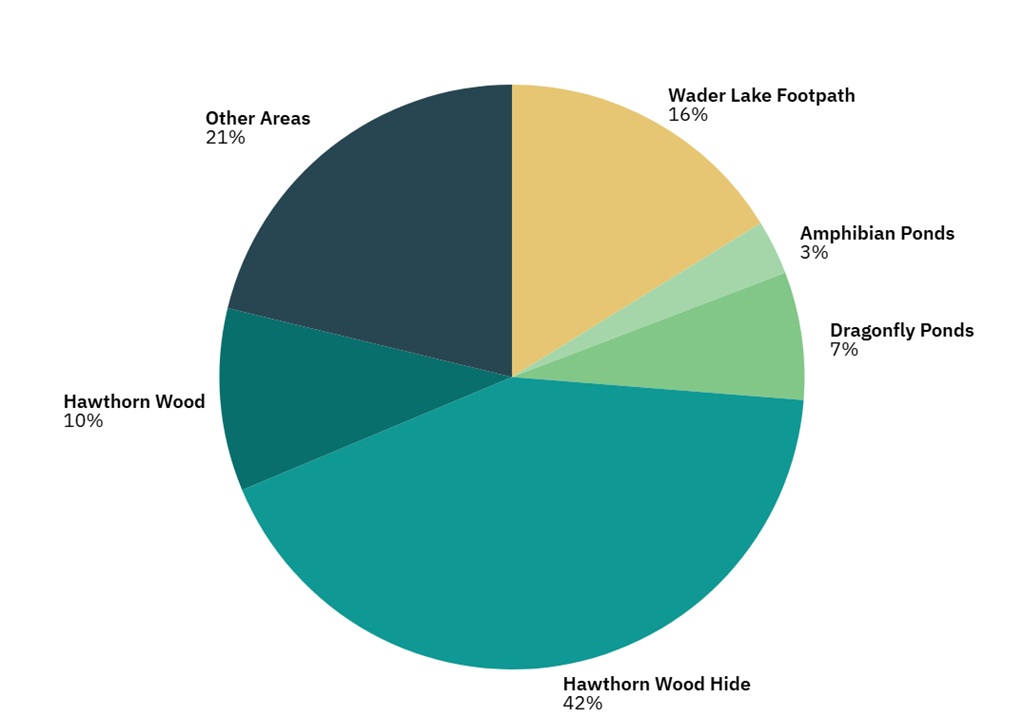
If we look at the frequency of sightings pie chart below for siskin, we can see that although the larger flocks are recorded at the ponds, there are more frequent sightings in Hawthorn Wood and the Hide feeding area (population counts vs days seen). This means that the best place to see siskin is in Hawthorn Wood, but the best place to see a lot of siskin at once is at the ponds.
During these winter months we keep our smaller visiting birds, such as finches and tits, healthy and happy by keeping our bird feeding stations across the site stocked. This ensures there is a food source for them when the weather gets harsh. We also have several nest boxes up throughout the site, which while primarily used during spring and summer for nesting and hatching broods, can also be used during the winter months for roosting and keeping warm.
So the next time you visit us for a cold-busting, mood-boosting walk in nature, be sure to keep your eyes peeled for these two fantastic January sights. Maybe you’ll beat the current high score for curlew counted!