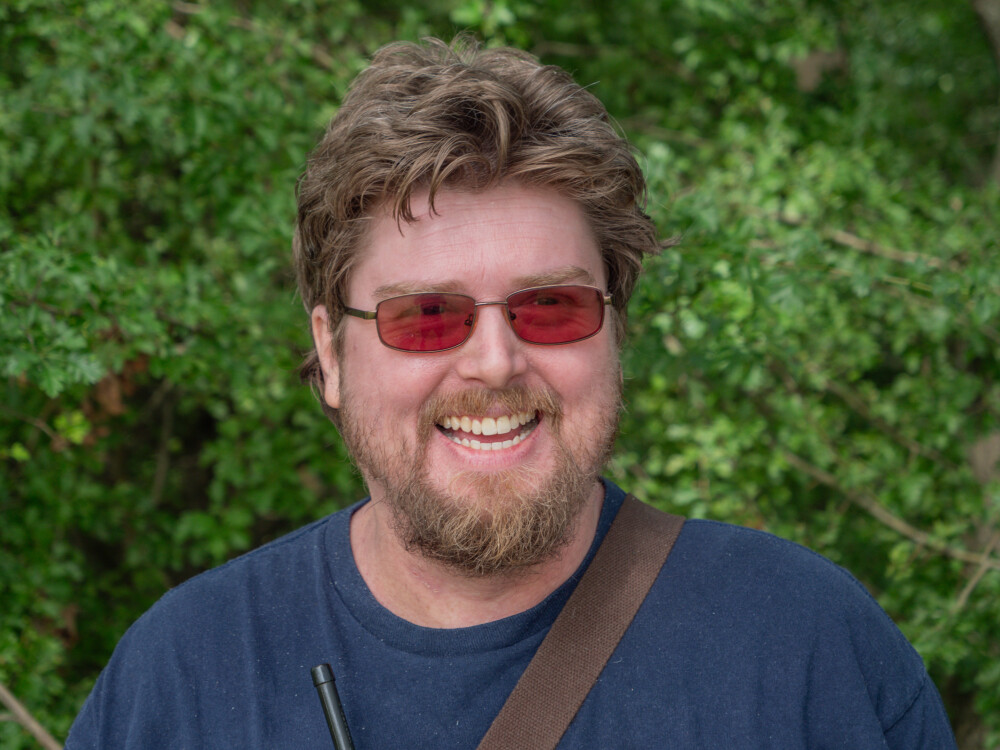
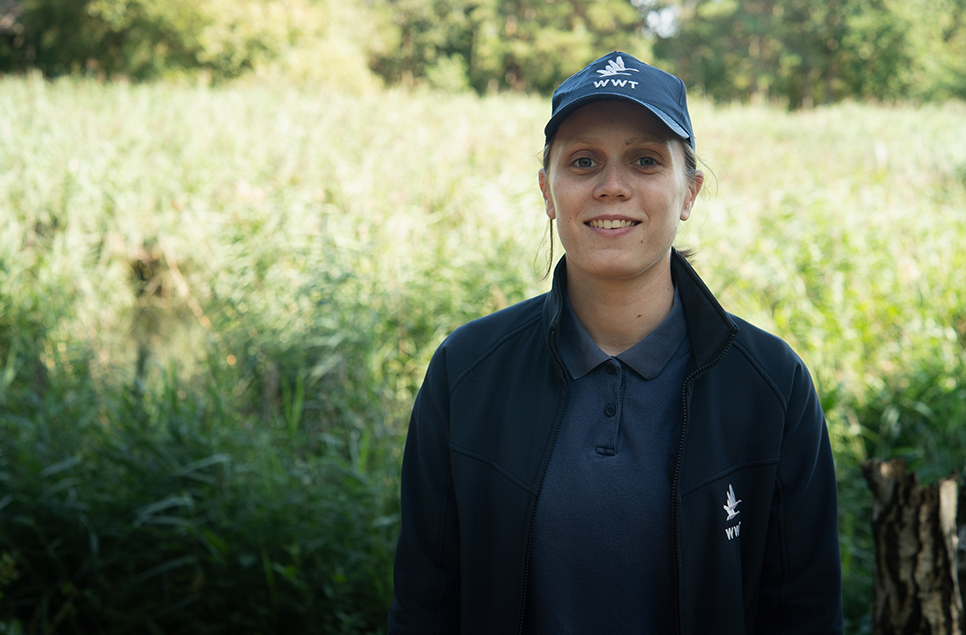
Looking after our reserve is a monumental task, and with such a small team of wardens, we are always eternally grateful to volunteers like Ellie who donate their time to help us manage our wetland and woodland habitats for the local wildlife that call WWT Washington home. So let's meet her!
Hi Ellie, we'll start with asking how long have you volunteered at WWT Washington?
Hello, I started volunteering here in December 2022 while I was a student at east Durham Houghall College, so almost three years now.
What inspired you to become a volunteer?
I have had a fascination with animals and nature since I was little where I lived directly next to an old woodland. Me and my sister would spend a lot of time exploring, it was one of my favourite things to do. I went on to study animal management at college but felt I was more interested in wildlife conservation, so I went on to study land and wildlife management, which is when I started volunteering. I wanted to gain hands-on experience working in wildlife conservation and improve my practical skills. Beyond that, I also wanted to directly contribute to wildlife conservation in my local area, helping to protect and maintain wetland habitat that is vital for both people and wildlife.
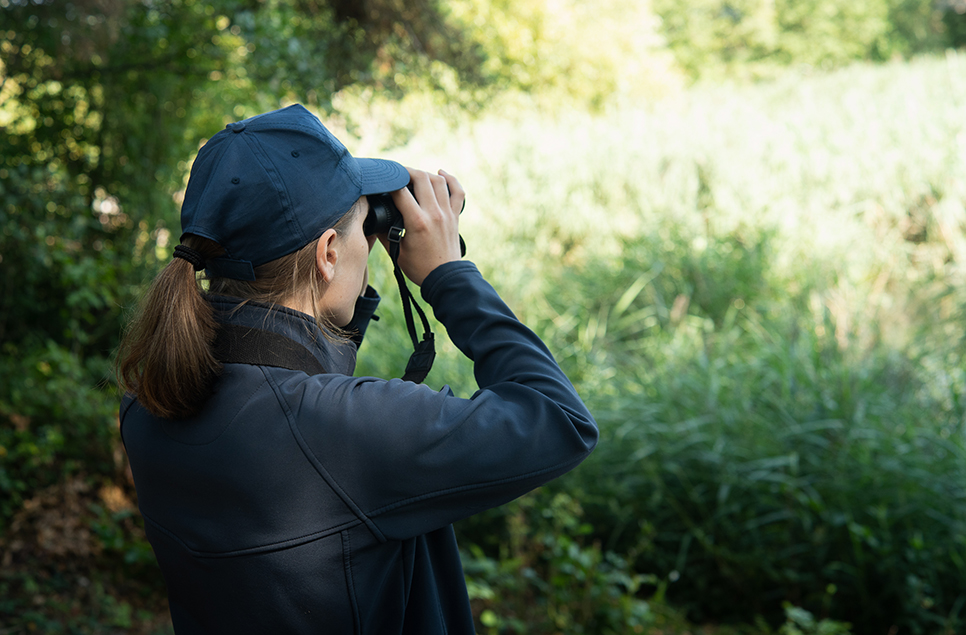
Can you describe a typical day?
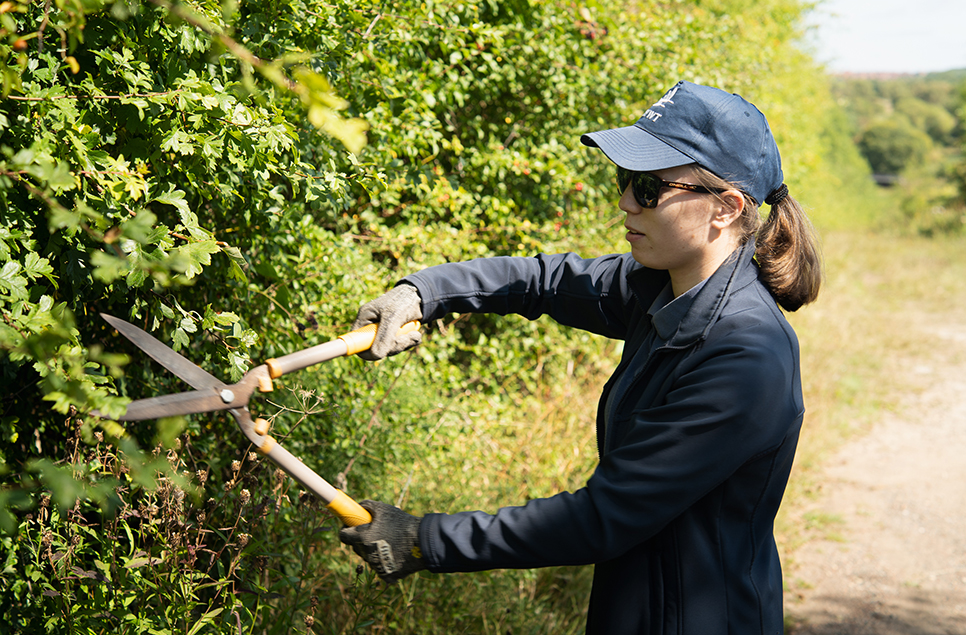
This's a difficult question as each day is so different and varies between seasons. My day starts at 10:30am and, working with the help and guidance of the reserve wardens and placements, I do a lot of habitat management such as tree planting in early spring or tree and hedge coppicing in winter. In summer, vegetation management is a constant battle, which often involves a lot of brush cutting and raking to ensure it doesn't encroach on paths or in front of hides.
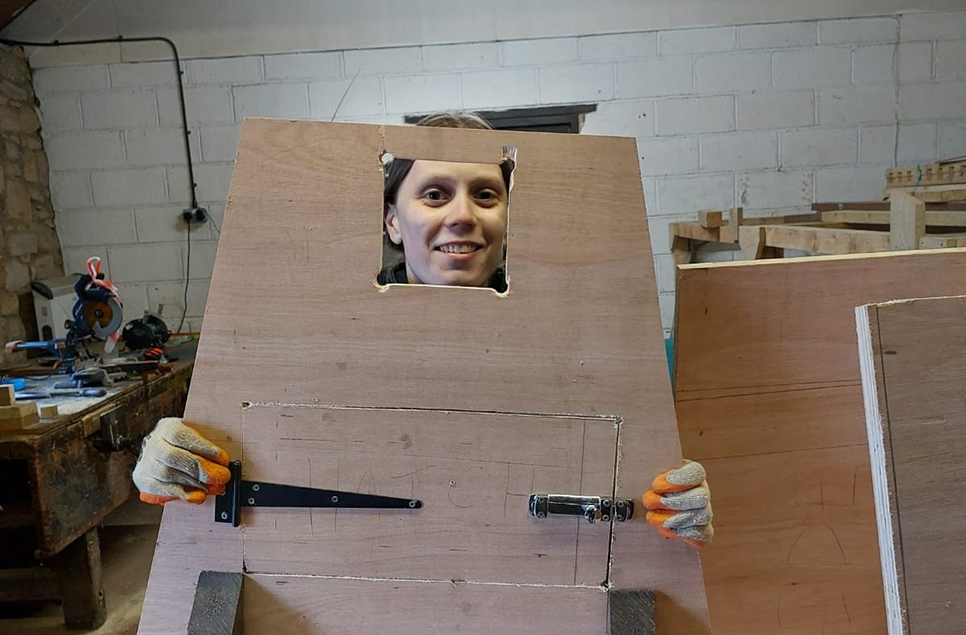
During winter I also spend time in the workshop building or fixing bird and bat nest boxes to be put up around the site ready for breeding season. This includes boxes for willow tit and more recently an owl box that I’m hoping will attract the attention of tawny owls in the future. I often help to do any required maintenance around the site, building or fixing fences and signs, filling bird feeders and ensuring the site is always in the best shape it can be for visitors.
Wildlife monitoring is also an essential task, setting up wildlife cameras and conducting regular wetland bird surveys. At the end of the day, I work alongside a member of staff to walk around the site and ensure visitors are safely directed to the visitor centre before closing time, locking gates and hides along the way.
What do you enjoy most about your role?
There are so many things I enjoy. Interacting with and meeting likeminded people who are passionate about nature each week, or on public events such as guided walks and bat nights, is certainly a highlight for me. I love how varied the role is, allowing me to take part in so many amazing things from watching bird ringers put ID rings on a willow tit to summer newt surveys. There's always more for me to see and learn, whether it’s improving my practical skills with hand held tools or improving my ID skills for both wildlife and for the diverse range of plants and fungi that the site has to offer.
What kind of training or experience is required to volunteer as a reserve volunteer?
A passion for nature conservation and the ability to work in all weather conditions is important, as it can be challenging at times when battling cold winter snaps or summer heatwaves. Basic wildlife ID skills (particularly wetland birds) is good, and the ability to use handheld tools safely are a bonus, but not essential as these skills can be learned with time and guidance from experienced staff and other volunteers. Learning through experience on the job is certainly one of the best ways to gain these skills.
What advice would you give to someone wanting to volunteer?
Getting involved with wildlife conservation can be difficult. Getting a foot in the door with local nature reserves sometimes requires right timing and a lot of perseverance. Speaking to those who have volunteered can give you a good idea what to expect in such an unpredictable environment. Getting involved in citizen science projects is a good way to build ID skills and can gain you valuable experience. It can seem daunting starting out as a volunteer as there is so much to learn, but that's part of the fun. Learning from those more experienced is crucial to building skills and getting the most out of your time.
What has been the most exciting project for you since volunteering at WWT Washington?
I don’t think I could choose just one, but I would have to say the willow tit project that has been running since I started. In fact my very first day was spent building willow tit nest boxes! I love seeing the impact of the work we have done to create habitat for willow tits, digging in tree stumps for nesting and creating more areas of wet woodland. There's also the bird ringing during winter where we've rang several willow tits, helping to identify them on site and at other sites should they show up elsewhere. It's such a privilege to have these special birds on site and to be a part of helping to conserve the fastest declining bird in Britain!

If you could swap roles for one day with another volunteer role, what would it be and why?
I think I would swap with a volunteer keeper. Getting the chance to work closely with the collection animals would certainly be an interesting experience as you don’t often get close to the wildlife you work to protect. I love talking and nerding out about animals to anyone who will listen, so I think I would really enjoy delivering the keeper talks and getting to know the individual animals in the collection all with their unique personalities.
If you’re happy to share, what do you do outside of WWT?
Currently I am starting my third and final year at the university of Sunderland, hoping to earn a degree in Animal Management summer next year. The course has led to many great opportunities. In January 2025 as part of the course I went on a 2 week field trip to The Gambia in West Africa, working with local rangers to protect and survey many amazing species including birds, red colobus monkeys, crocodiles, hippos and chimpanzees. Closer to home, I often travel around the country with my parents and sister in our tourer caravan, although we have been to many places across the country, the Lake District remains one of my favourite places to visit.
Do you have a favourite animal or mammal on site (wild or collection)?
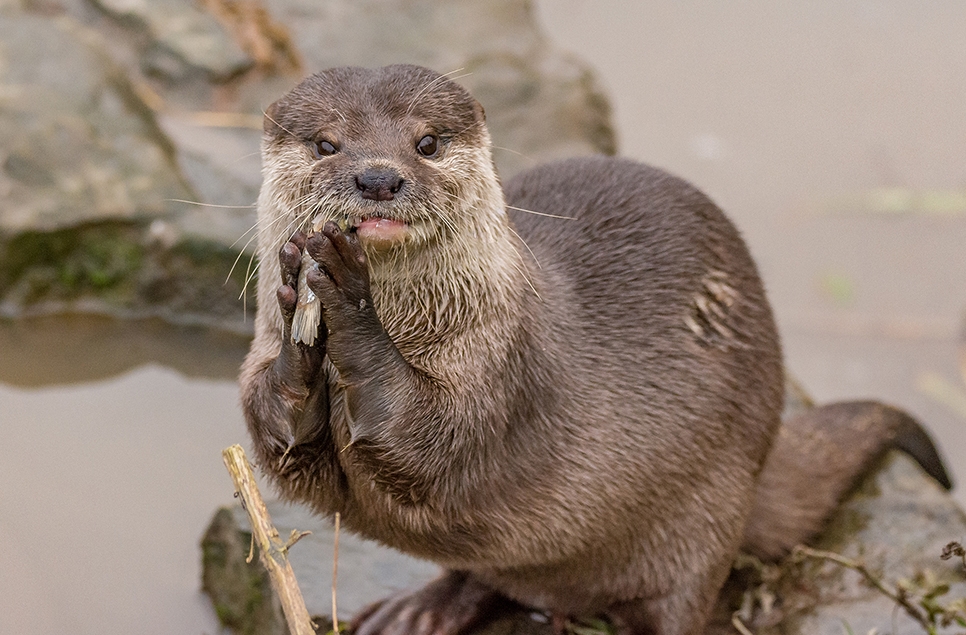
My favourite animals here would have to be the Asian short-clawed otters and the Andean geese. The otters are just such characters, always getting up to mischief or just living their best life sunbathing looking adorable. The Andean geese have such stunning plumage and you can spot them from a mile away.

What’s your favourite location at WWT Washington?
I have a couple locations that come to mind. First would have to be Wader Lake. The amount of bird life that can be found there is nothing short of incredible and changes so drastically throughout the year, always keeping things interesting with a rare sighting here and there. My favourite place to relax would have to be Old Oak Meadow. It's always so peaceful and quiet and I love spending a moment watching a hunting kestrel gracefully hovering or darting across the meadow.
Fancy meeting more of our team?
We're introducing you to the team here at WWT Washington who are from a variety of roles within the trust, and who have a plethora of career and education backgrounds.
Meet the team