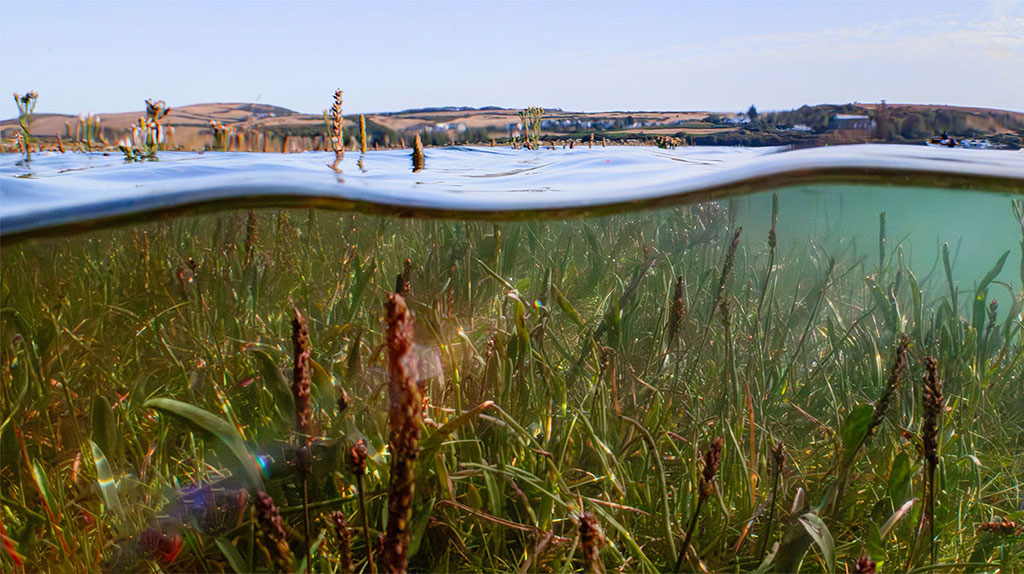
Wetlands have connected communities for thousands of years and have held a profound cultural significance throughout history. They’re not just sources of life – they inspire us too.
Whether as vast as a coastal saltmarsh or as small as a rain garden, there are wetlands all around the world that mean something to someone.
In honour of this year’s World Wetlands Day theme ‘wetlands and traditional knowledge: celebrating cultural heritage’, we asked a few people which wetland inspires them the most.
WWT ambassador David Gray, Lavender Marsh in Norfolk
I’m lucky enough to have a house on the Norfolk coast that backs right on to an expanse of ancient saltmarsh. Lavender Marsh gets its name from the great swathes of purple sea lavender that bloom there each summer. In the winter it provides not only a brooding visual spectacle but a powerful sonic one, as the marsh becomes a winter haven for impressive gatherings of ducks, geese and waders. The intermingled cries of wigeon, redshank, curlew and pink-footed geese is a sound that goes straight to the heart. When I’m away on tour, I’m often filled with a deep longing to hear it.
The best time of all is when a huge spring tide sweeps in and turns the whole marsh into a gigantic and intricate mirror. As it floods the creeks, the tide animates everything, and the air fills with the calls of ducks, gulls, egrets and waders as they rise up restlessly and flit about. The water also flushes prey, so there are rich feeding opportunities for not just the egrets and gulls, but for harriers, kestrels and barn owls too. It’s a magical place, and one that is always full of surprises.
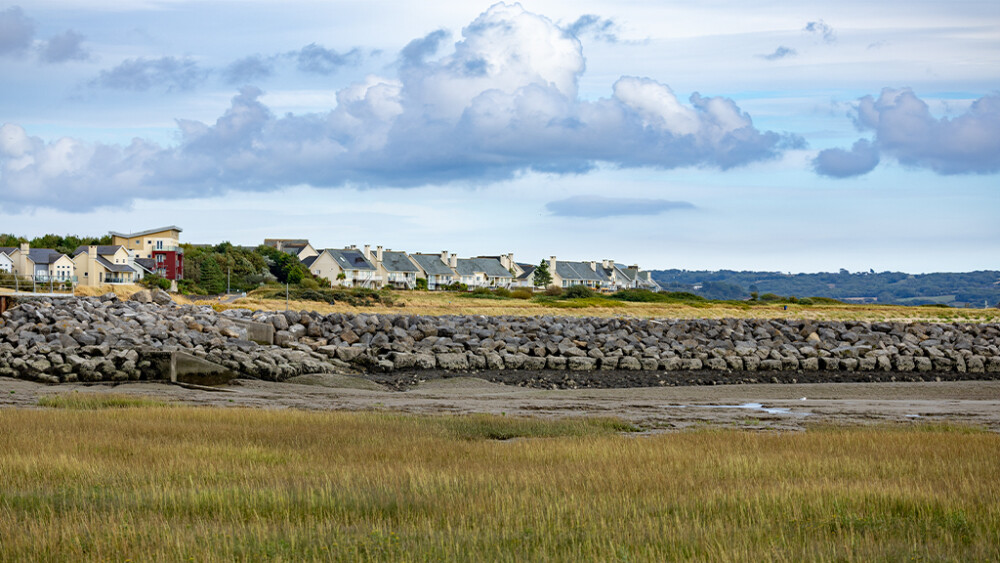
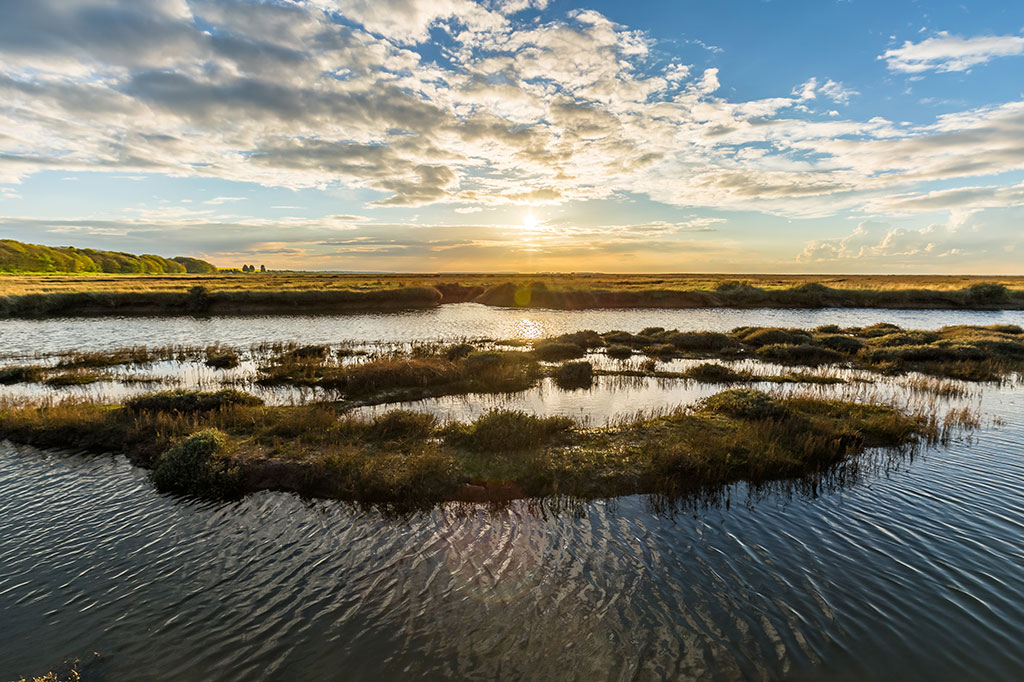 An area of saltmarsh on the Norfolk coast
WWT Chief Executive Sarah Fowler, my garden pond
My garden pond may be small, but it is still a mighty thing. Every day when I look out of my kitchen window it’s the first thing I see. I created it, dug it and shaped it. Which means it’s not perfect and that is good by me. I found the rocks that provide essential shade and hiding places for frogs, and the small ramps for my son’s honeybees to access water. I researched the plants, and added oxygenators alongside emergents that flower, including the vibrant blue water forget me not; all native, of course.
Every season I see it change, overflowing in winter, a haven for frogs in the spring, damselflies darting by in the summer. By the autumn everything is readying itself for winter life. Its life-giving forces bring me joy, and hopefully a bit of calm for the patients looking down on it from the dentist waiting room next door! And this year, my aim is to expand it and give it a small marshy margin.
Ponds are individually small and easy to overlook, yet what if we created a network of thousands of garden ponds across our towns and cities? We’d have dragonflies on our doorstep, literally – and small but mighty wetlands with their nature-bursting superpowers in our communities.
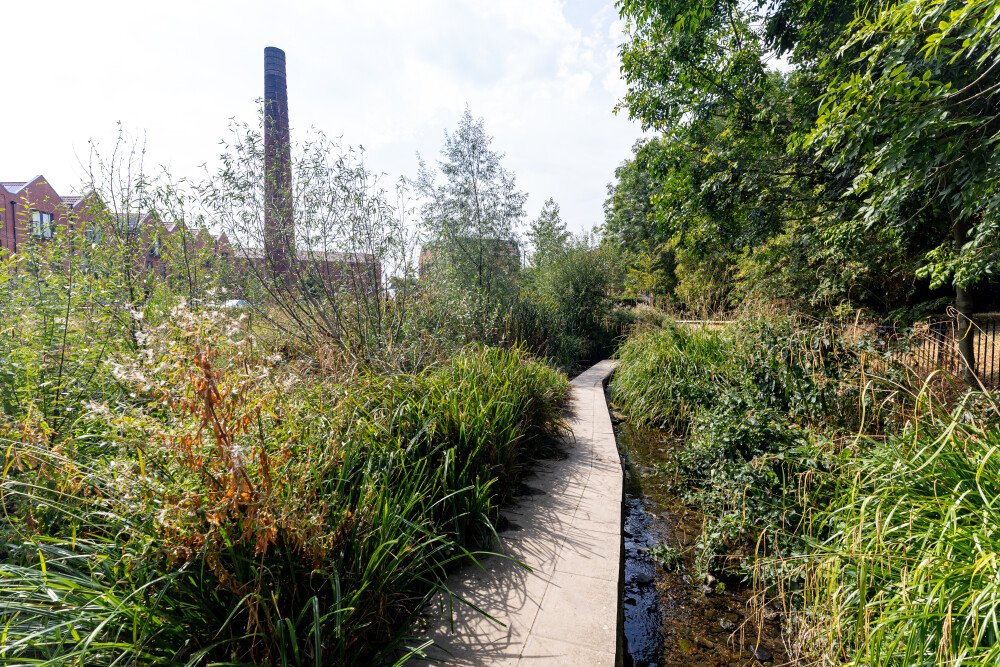
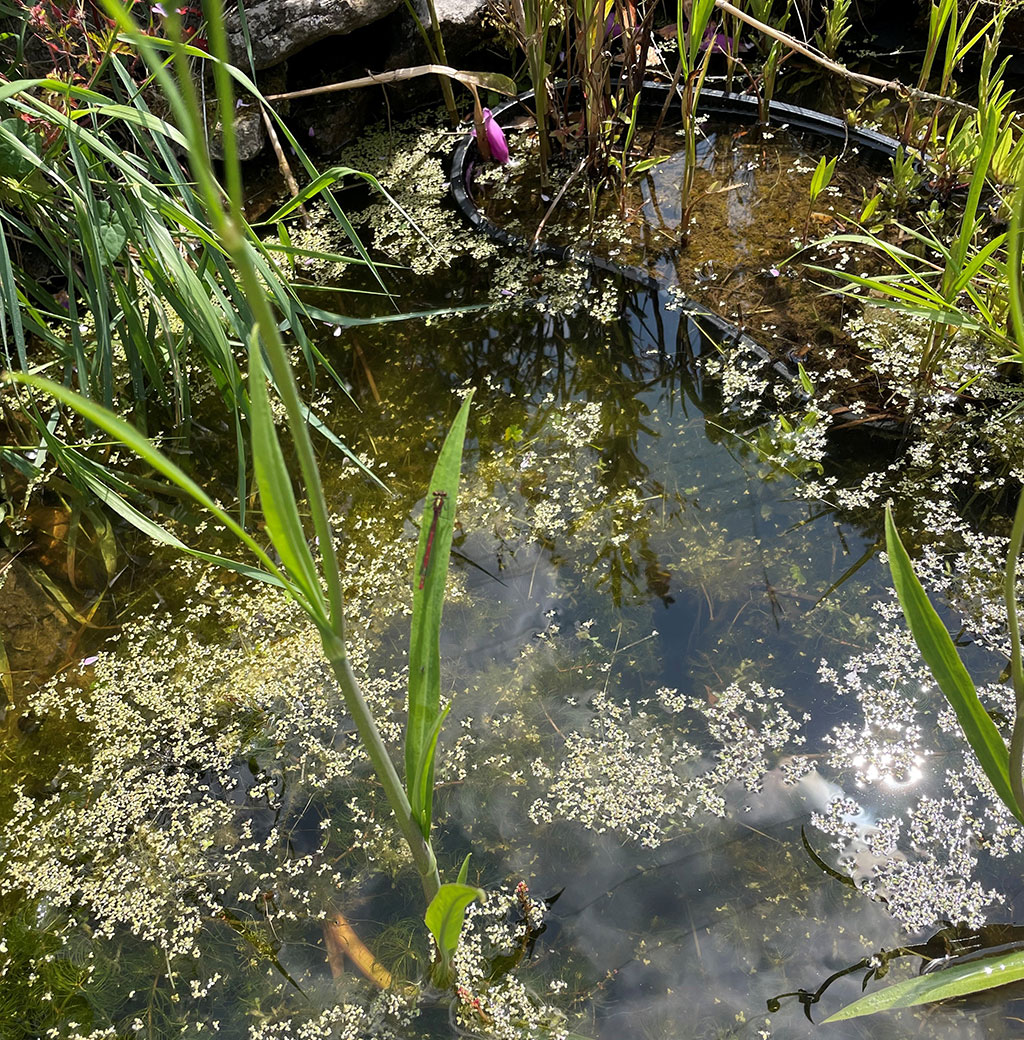 Sarah Fowler’s garden pond
WWT ambassador David Lindo, Badajoz Province of Extremadura, southwest Spain
My favourite wetlands are the waterlogged rice fields in the Badajoz Province of Spain. This huge region is the second biggest producer of rice in the country.
When the rice is harvested in early winter, the farmers plough and then flood the fields in readiness for re-sowing during the following spring. They unwittingly create an amazing temporary wetland habitat that proves to be a magnet for migrant waders and gulls, plus hordes of herons and egrets. I often spend hours sifting through the fields.
Unfortunately, this important habitat is dwindling. Producing rice is labour intensive and farmers are now selling their land to much larger concerns, to be turned into monocultures farming olives or fruit. My hope is that these oases never disappear.
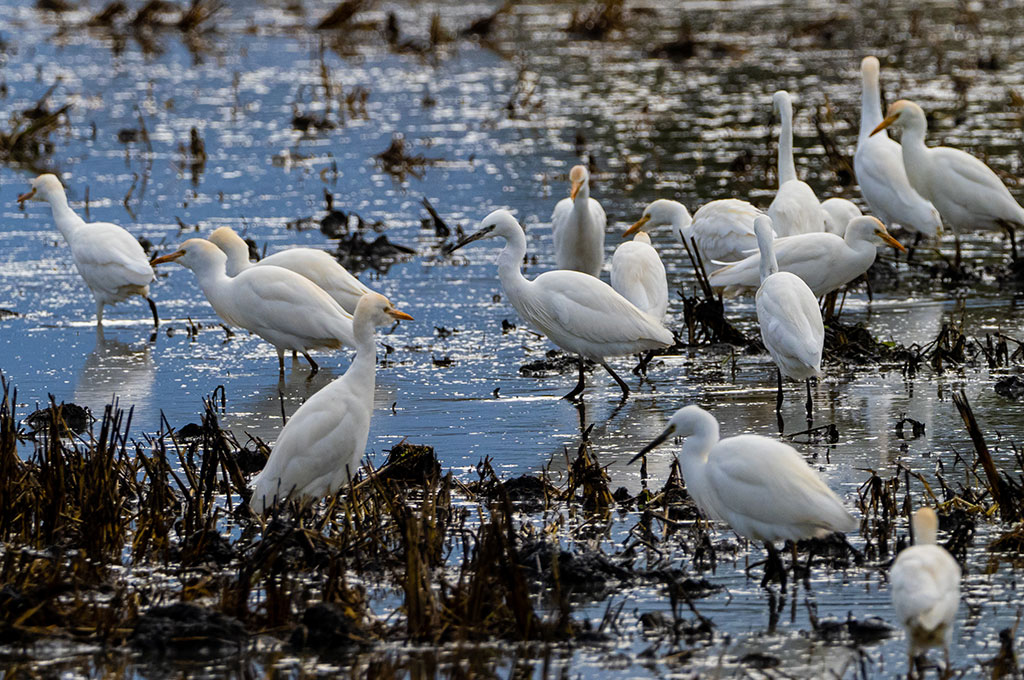 Wetlands in Badajoz Province of Extremadura, southwest Spain
WWT celebrates wetlands 365 days a year, but on 2 February, the world comes together to raise awareness of these super-powered habitats.
If you’ve been inspired by hearing about our favourite wetlands, why not get out and see one for real?
Plan your visit