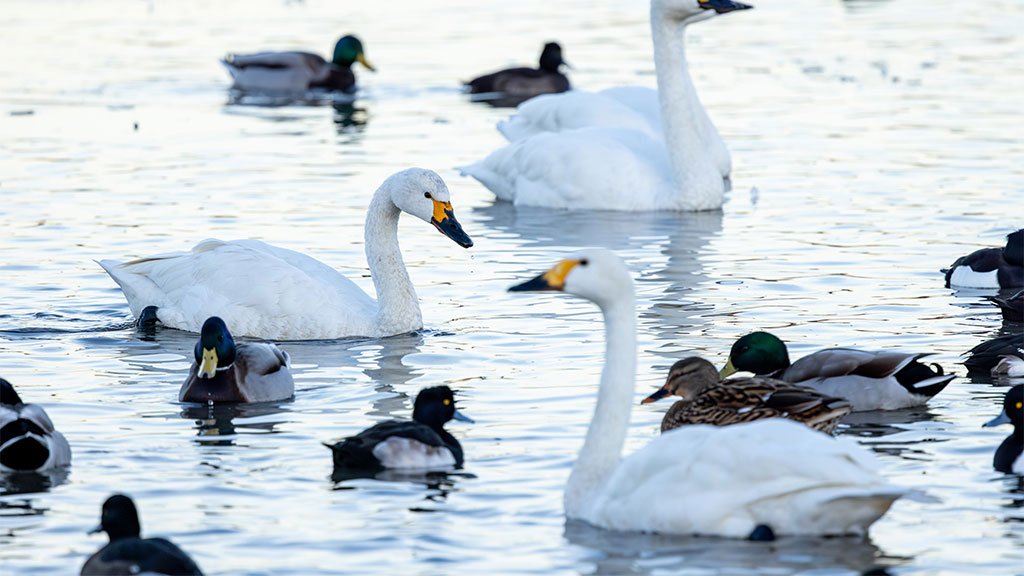
One key moment this year was the ban of toxic lead ammunition in outdoor shooting across Great Britain. Over 15,000 of you wrote to the Environment Secretary, and now we can safely say, the era of lead ammunition is coming to an end. Thank you.
Over 10,000 of you enjoyed free access to your local wetland site as part of our World Wetland Day celebrations. Just a short visit has been shown to boost mood, improve wellbeing and spark a deeper connection to nature whilst providing an opportunity to enjoy some wetland wildlife. We’re thrilled so many of you came to celebrate with us!
Let’s look back and reconnect with the many seasonal wildlife highlights from the past twelve months!
Spring
Dawn breaks to birdsong, bright marsh marigolds bloom, and birds busily feed hungry chicks as our wetlands burst into life. Enjoy some highlights from the spring.
A marvellous marten
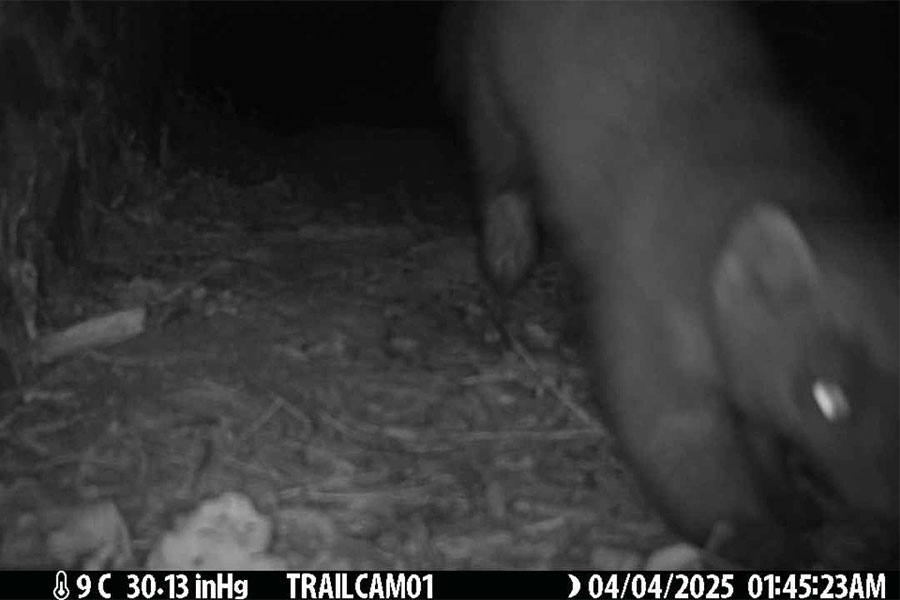 We’ve been pining for their return! Pine Marten caught on cam at Castle Espie
After a two-year break, a pine marten was spotted on camera at WWT Castle Espie. These elusive predators were once almost extinct across Northern Ireland, so it’s wonderful to see them here.
50 years of WWT Washington
This May, WWT Washington celebrated their 50th anniversary. Thank you to everyone who has visited and supported the site over the past half a century! Plenty of wildlife joined in with the celebrations such as a visiting Icelandic gull, the return of reed and sedge warblers and 28 pairs of grey herons fledged young!
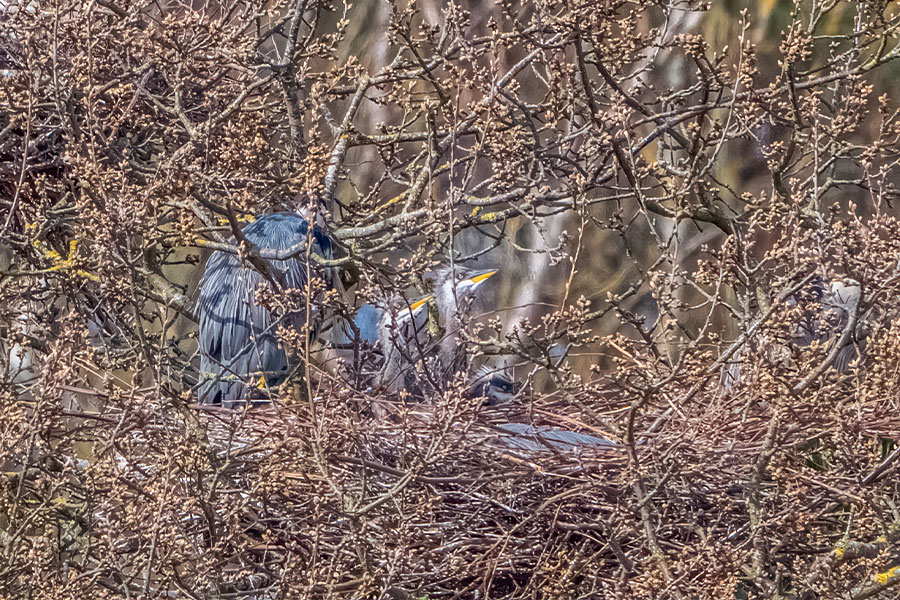 Grey heron chicks in the nest © Ian Henderson/WWT
Surprise spider
One of the UK’s most elusive spiders was spotted at WWT London! Shreyas Kuchibhotla, spider enthusiast and regular visitor, found the extremely rare arachnid Enoplognatha caricis - which was only recorded four times in Great Britain last year and this is its first appearance in London.
The spider was a mature female, suggesting that there could hopefully be more of these vulnerable creatures using the site.
Mixed fortunes for curlew
The UK breeding population of curlew, the largest wading bird in Europe, is of international importance. Sadly, we’ve lost 65% of this iconic species since the 1970s. Thanks to supporters like you, we are working hard to reverse this decline.
The nesting season started off well in the Severn and Avon Vales, and by May there were 29 nests! Sadly, some nests were lost to predation, further highlighting the need for nest fencing - which our research shows is one of the best ways to improve nest success.
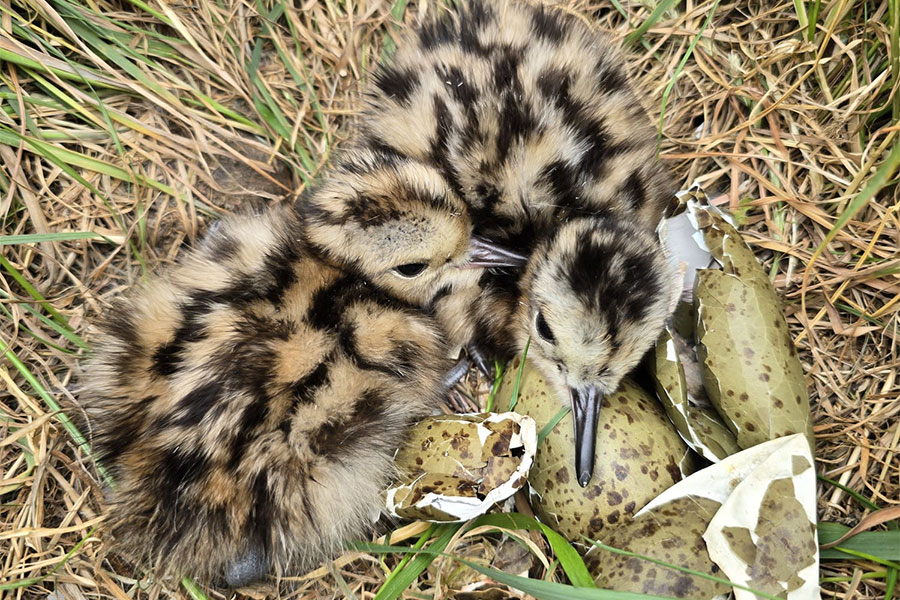 Freshly hatched curlew chicks
Summer
Swifts scream overhead, insects buzz, and the heat sends people and wildlife rushing to the wetlands for relief. The summer was full of wildlife highlights.
Phenomenal fledglings
WWT Arundel had a very successful year with many fantastic fledglings. Cattle egrets thrived with at least 24 nests and, for the first time ever, at least one pair of little egrets have bred, producing two juveniles!
Marsh harriers also fledged three youngsters and just look at these adorable barn owl chicks!
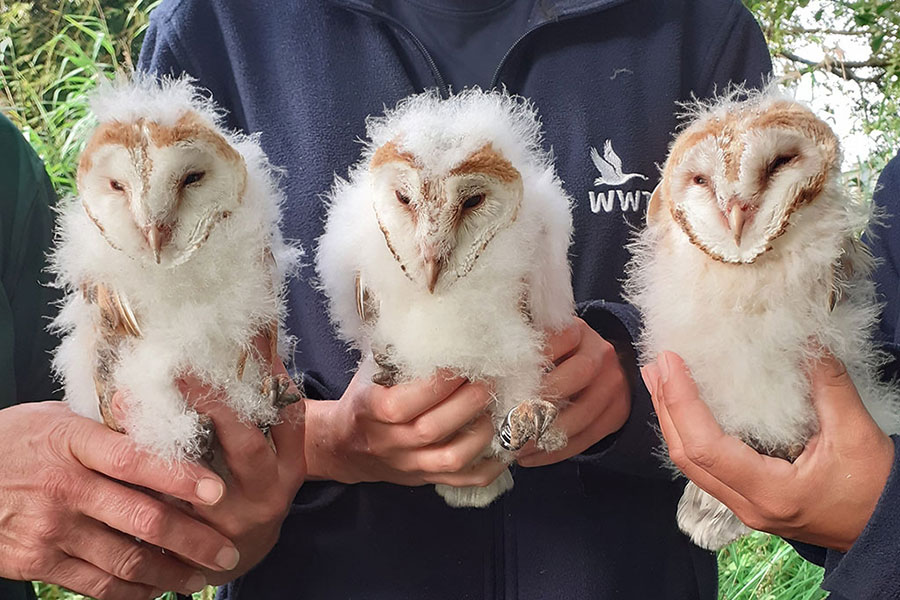 Owl Babies! © WWT
Emerald magic
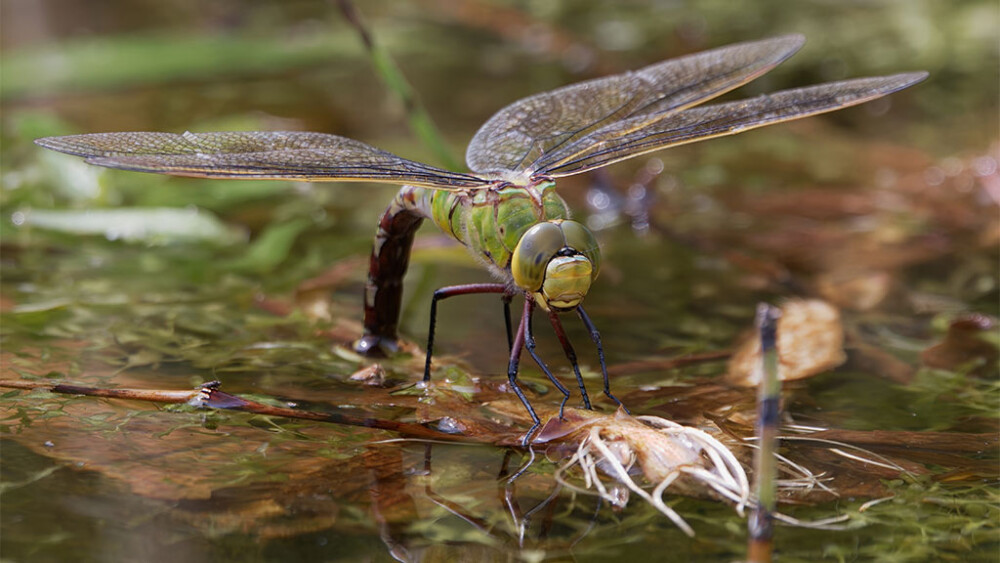
A first at WWT Slimbridge this summer as the willow emerald damselfly bred on site. 20 different dragonfly and damselfly species now make their home on the reserve.
A huge thank you to everyone who supported the first ever WWT Dragonfly Festival this summer, across our sites. We are already buzzing with excitement for next year’s festival!
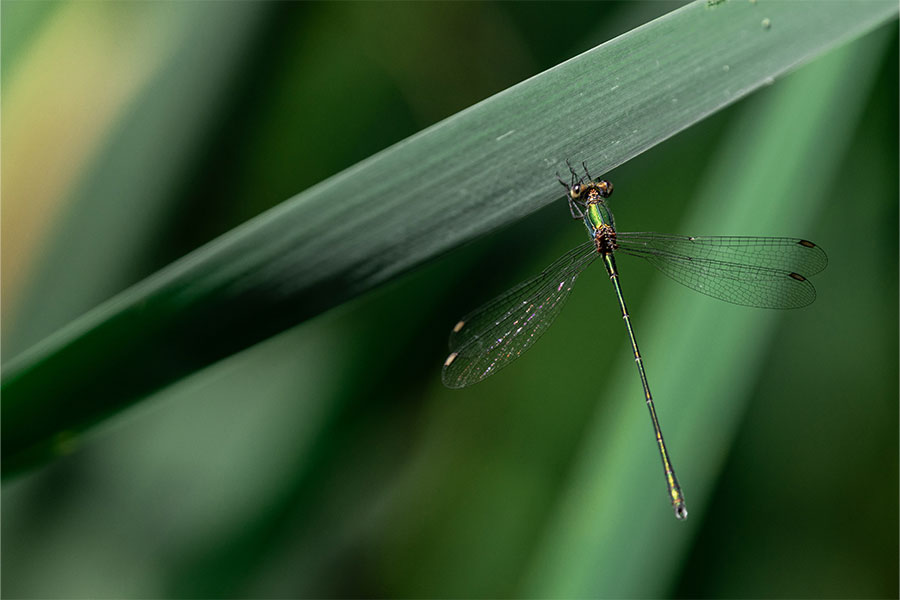 Willow emerald damselfly at Slimbridge © WWT
Numerous natterjacks
After a long, hot spring, when rain finally fell in June, the ponds at WWT Caerlaverock burst into life and natterjack toads’ tadpoles were seen in at least four ponds!
As the dry spell continued, a ‘tadpole taxi’ service was implemented to move tadpoles into larger ponds. Thanks to the incredible donations from our winter appeal and our climate resilience work accelerates, we hope for more natterjack toad success next year!
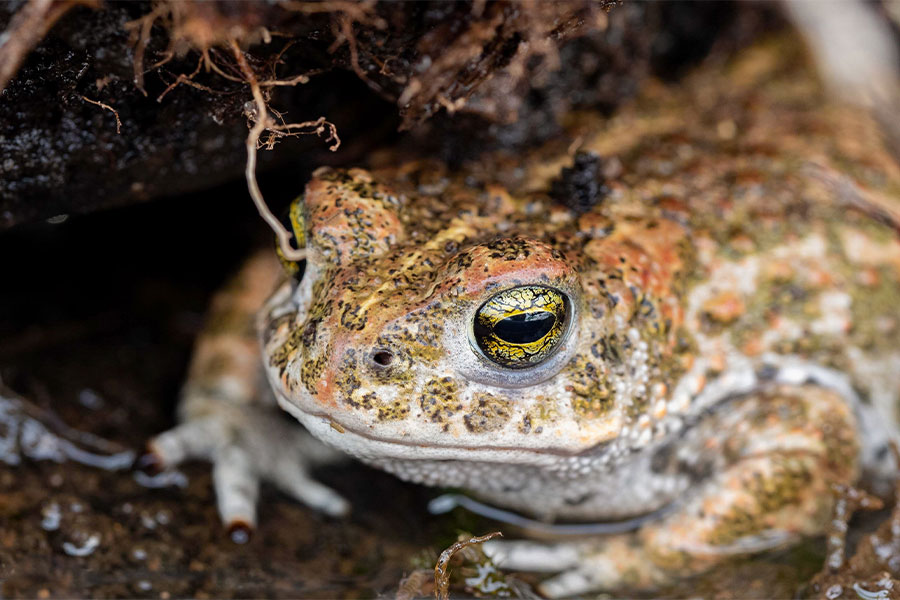 Natterjack toads live on the edge of WWT Caerlaverock’s saltmarsh and use the pools there throughout spring and summer © Jack Perks/WWT
Booming bitterns
It was a great year for bitterns with their booms being heard across several WWT sites.
At WWT Martin Mere, one booming male attracted four females and at least three chicks fledged. Bitterns also bred at WWT Welney, providing visitors with some real wow moments, like this one captured by Simon Stirrup.
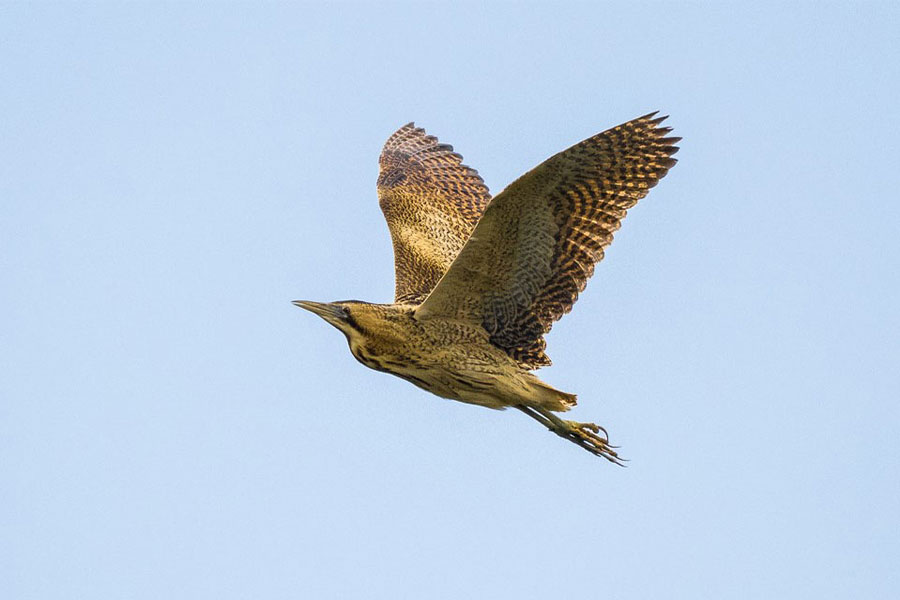 Bittern © Simon Stirrup
Black-tailed bonanza
The lagoon restoration work that has taken place at WWT Llanelli resulted in a bonanza of black-tailed godwits this year, with over 1000 individuals spotted from the hides who were joined by heaps of shoveler, shelduck and teal!
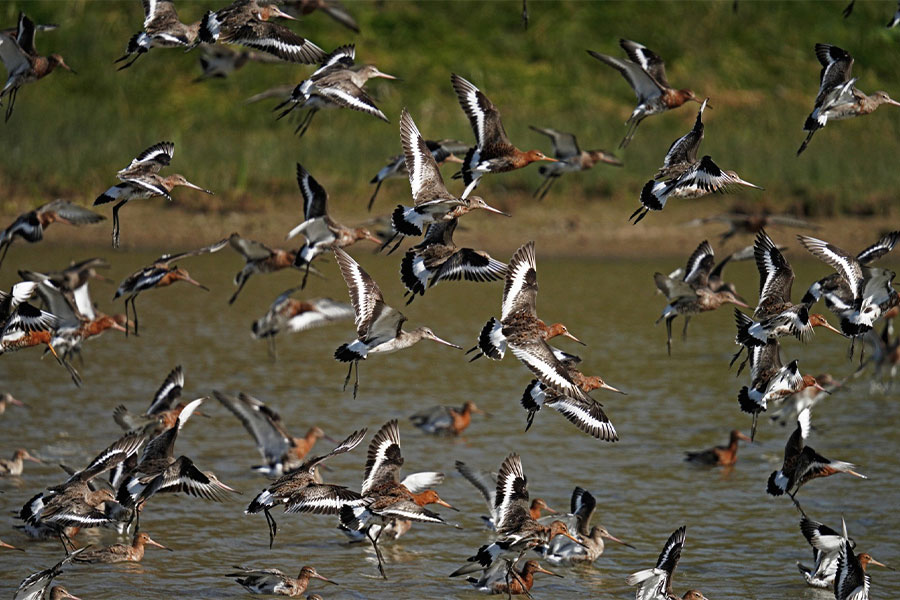 Black-tailed godwit flock © Alun Wood/Facebook
Autumn
Autumn arrives, leaves fall, swallows prepare to head south, and the changing season brings with it new wildlife highlights.
Autumn migrants
An incredible total of 8,000 light-bellied brent geese visit the shores of WWT Castle Espie this autumn and across Strangford Lough as a whole, 30,000 were counted!
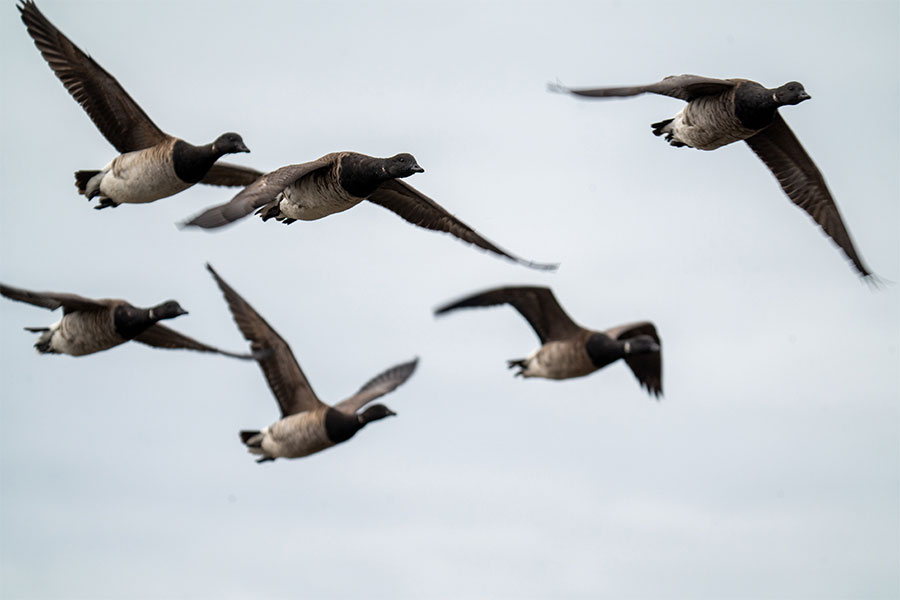 Brent geese at Castle Espie © Nick Rodd/WWT
Opportunistic osprey
Visiting photographers were delighted this October as an adult female osprey decided to stay for over a month at WWT Arundel. She took advantage of the abundant food supplies on site ahead of her migration to warmer climates.
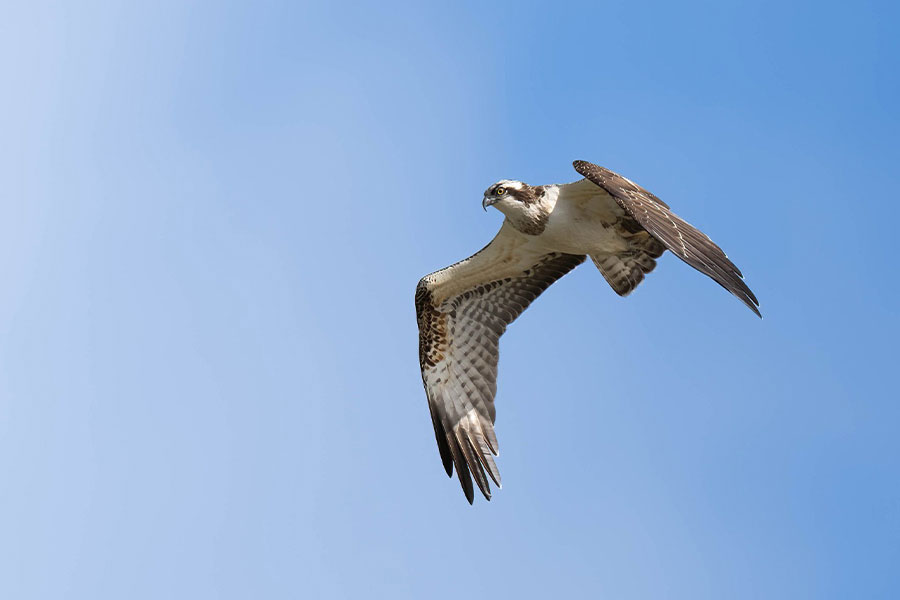 Female osprey © Alec Pelling
Dragonfly demographics
WWT London recorded their highest ever count of 99 migrant hawker dragonflies in the mid-September survey! Like many other dragonfly species, they are increasing in number and spreading their range northwards as our climate warms.
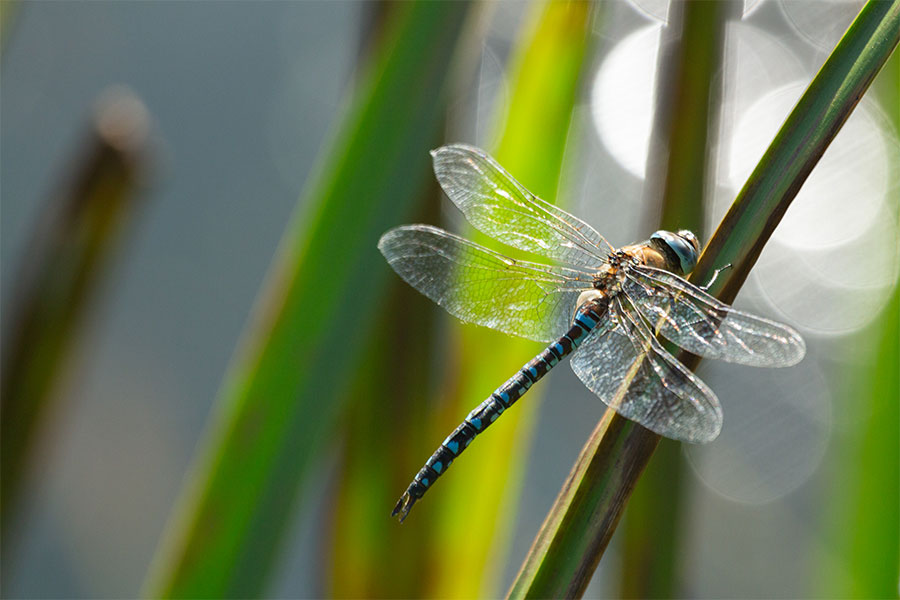 Migrant hawker © WWT
Rare visitors
Autumn brought with it a flurry of rare visitors across the country. Groups of gregarious glossy ibis popped up at seven WWT wetlands, with 17 at Welney in early September. At WWT London, a bird that arrived in September soon became the longest staying rarity in the site’s 25-year history.
Llanelli saw a flock of eight splendid spoonbill in early November. Other headline birds across our reserves include pallid harrier, least sandpiper and black-winged kite. Keep an eye out for our next blog piece with the full run-down of rarities in the new year.
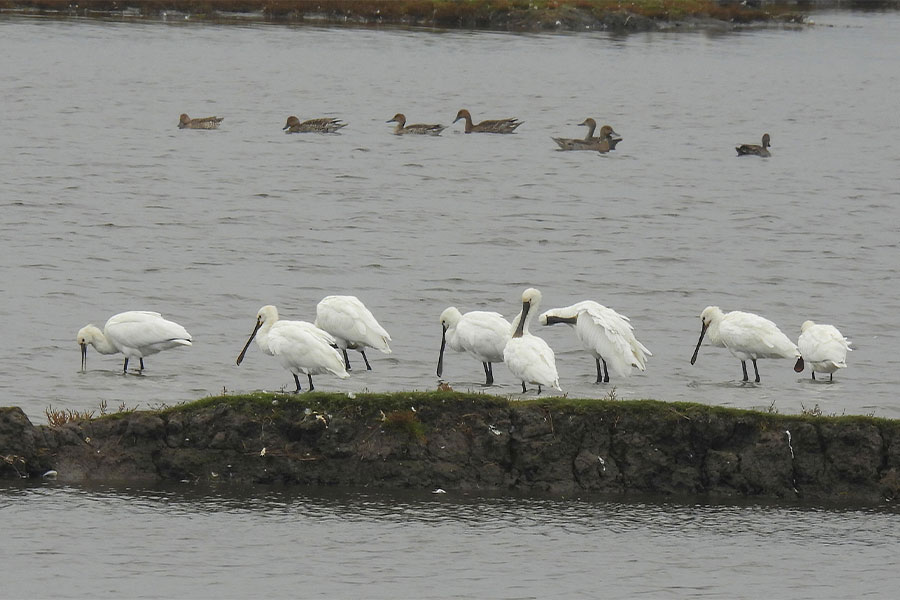 Llanelli spoonbill flock © Brian Lloyd
Winter
The swans arrive with winter on their wings, and the wetlands grow busier than ever.
Most swanderful time of the year!
Thanks to your support we can ensure the winter wetland habitats are thriving and ready for the arrival of the Bewick’s and whooper swans. At the time of publishing, WWT Martin Mere had welcomed 531 whooper swans and WWT Caerlaverock, 99 including 38 youngsters. One pair has nine juveniles with them; the largest clutch size ever recorded at Caerlaverock.
Visitors are loving seeing the Bewick's back at WWT Slimbridge with 28 adults and 1 cygnet on site. At Welney, 48 Bewick’s have been counted on site, including an encouraging 14 juveniles. They're joined by 4490 whooper swans, of which 419 are juvenile.
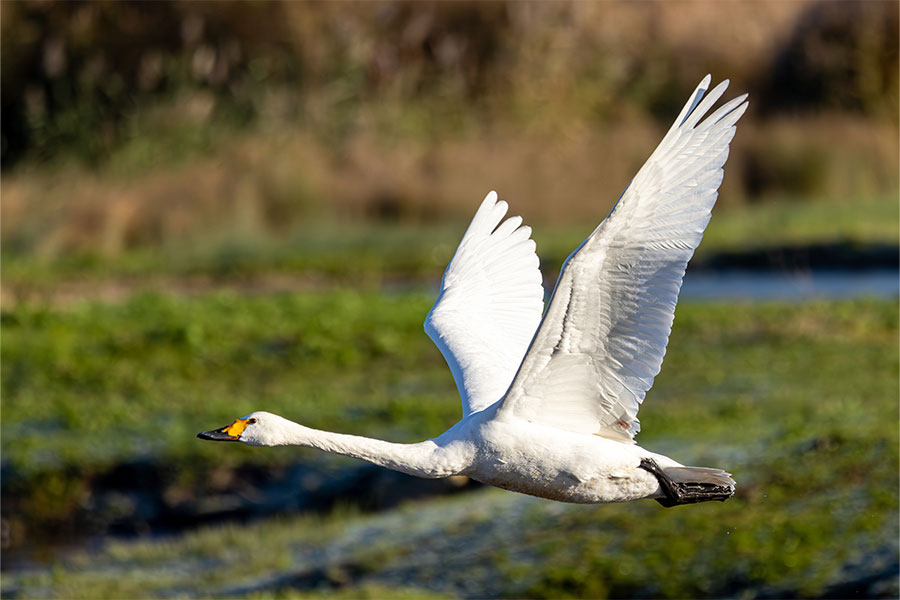 Bewick’s swan at Slimbridge © WWT
Be sure to watch out for our winter wildlife stories from across our reserves, published in early March next year.
Hopes for the future
Willow tit
Thanks to your support, we had some fantastic success this year in a bold UK-first trial that could soon be used to help Britain's fastest declining bird, the willow tit - whose numbers have plummeted by 94% since 1970.
Under licence, eggs from blue tit nest boxes were artificially incubated, hatched and the chicks hand-reared, at the Conservation Breeding Unit at WWT Slimbridge. This technique could soon help protect the blue tits rarer cousin, the willow tit: a landmark moment in our efforts to investigate how we could save one of the UK's most threatened species.
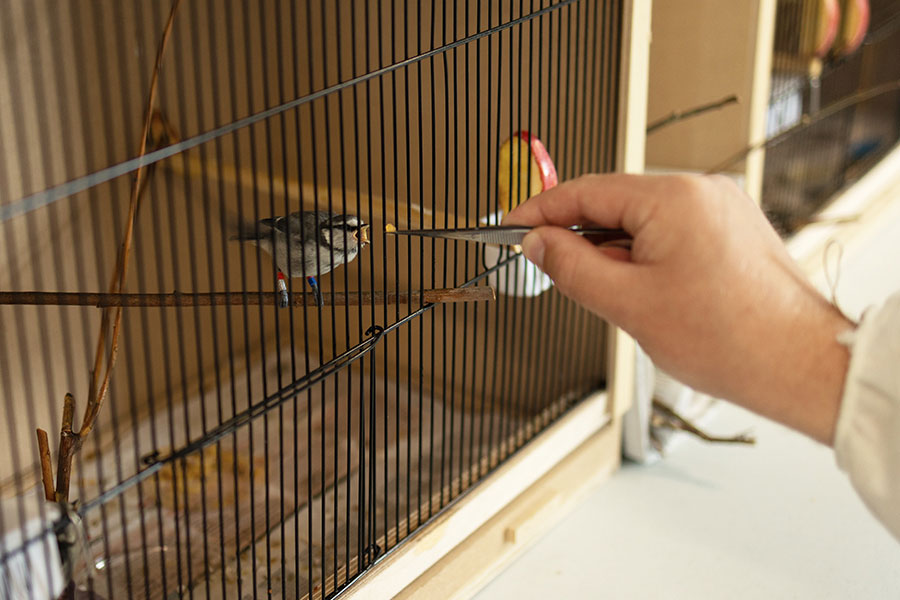 Hand-rearing blue tits © WWT
What a year!
Your continued support means we can continue our mission to protect wetlands and all this incredible wildlife that call them home.
From everyone at WWT, thank you for everything you have helped us achieve and we want to wish you a very happy festive break!