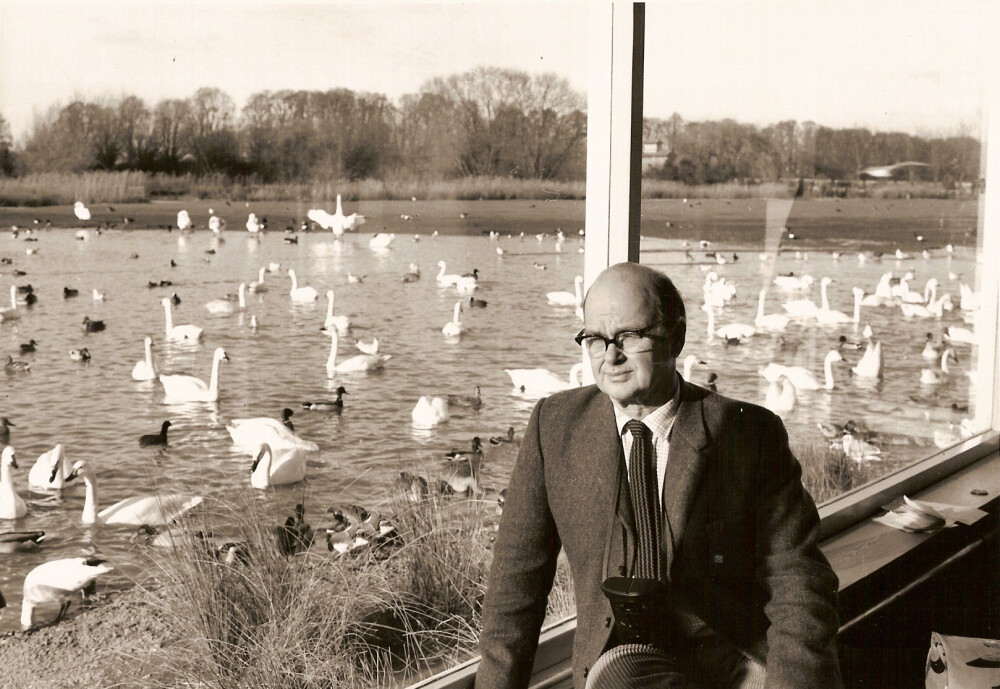
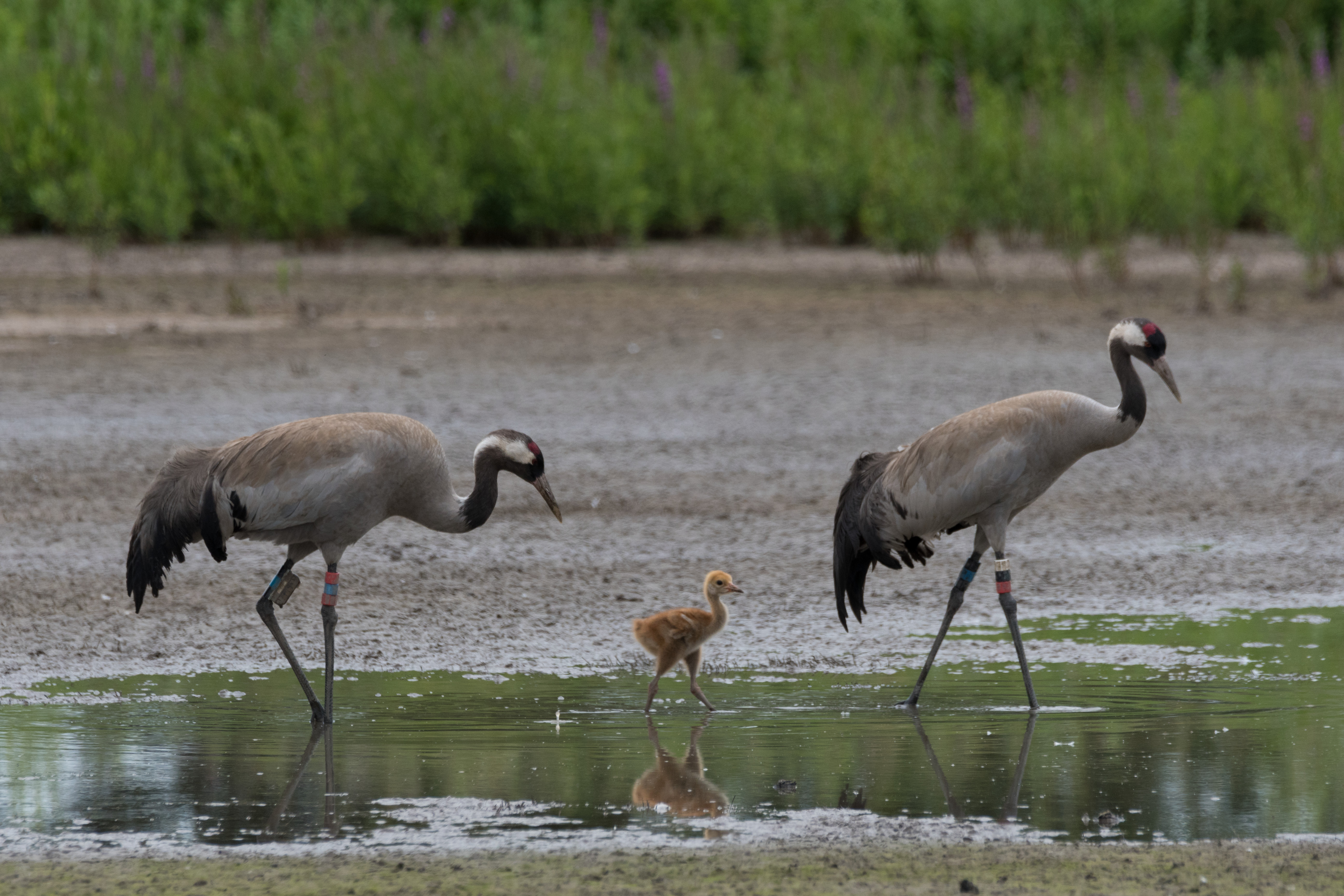
Historic image, credit Alec Taylor/WWT
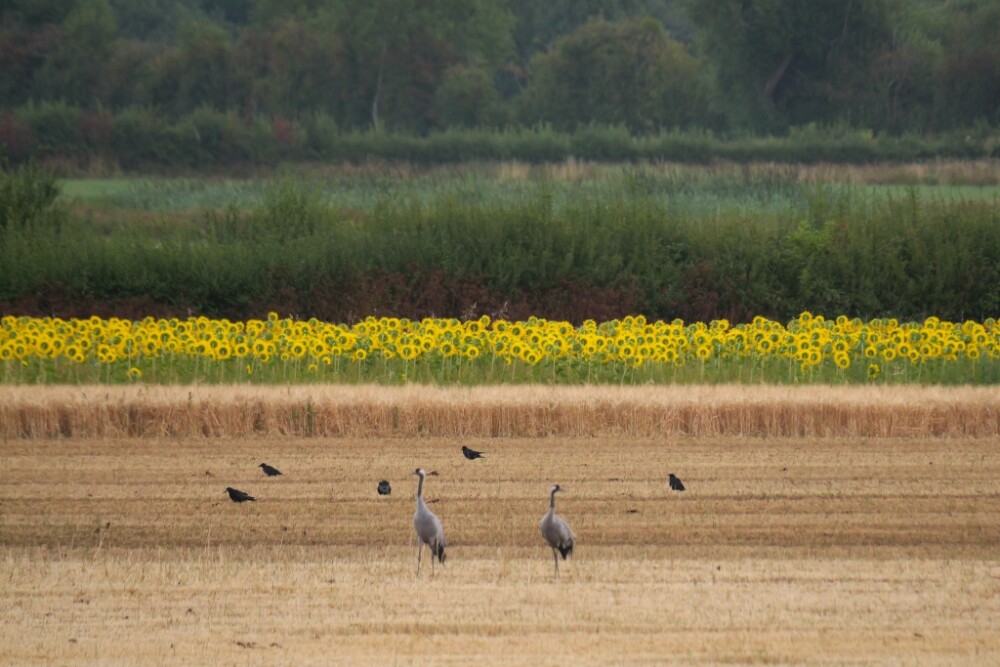
Cranes are the tallest bird in the UK, standing at over a metre high. Their ‘bugling’ call can be heard up to 3.5 miles away. They used to be a familiar part of British wildlife, but they went extinct in the UK in the 1600s, likely because of overhunting. The Christmas feast of Henry III in 1251 reportedly served 115 Crane!
Thanks to conservation efforts since their recolonisation starting in 1979, the total population of Crane in the UK is now believed to be around 250, reaching as far as Scotland. Nature reserves have played a vital role in Cranes’ recovery, particularly through the restoration of drained wetlands that the birds use to raise their chicks.
The Great Crane Project, a partnership between the RSPB, WWT and the Pensthorpe Conservation Trust, and funded by Viridor Credits Environmental Company, gave Crane numbers a big boost. From 2009 to 2014, this partnership worked together to hatch, hand-rear and release Cranes in the Somerset Levels and Moors, and, with the help of local farming families, create suitable crane-nesting habitat across the landscape.
“Cranes are incredible birds that spark excitement for everyone who visits WWT Slimbridge. We’re so pleased that some of the birds raised in our breeding unit – like pair Wendy and Albert who were released in Somerset over a decade ago – can still be seen dancing and calling across the reserve to this day.”
“However, despite their record breeding year, the crane remains vulnerable. Their habitats are at risk from the ever-increasing impacts of climate change – making it more important than ever to come together across sectors, to protect and restore bigger, more connected wetlands, so this iconic bird can thrive long into the future.”Martin McGill, WWT Slimbridge Reserve Manager
With your support, WWT can continue to help wetlands thrive. Head to the Estuary Tower to watch the Cranes dancing, bowing, pirouetting and bobbing their way through the breeding season. Hopefully we'll see plenty of nests being built soon!