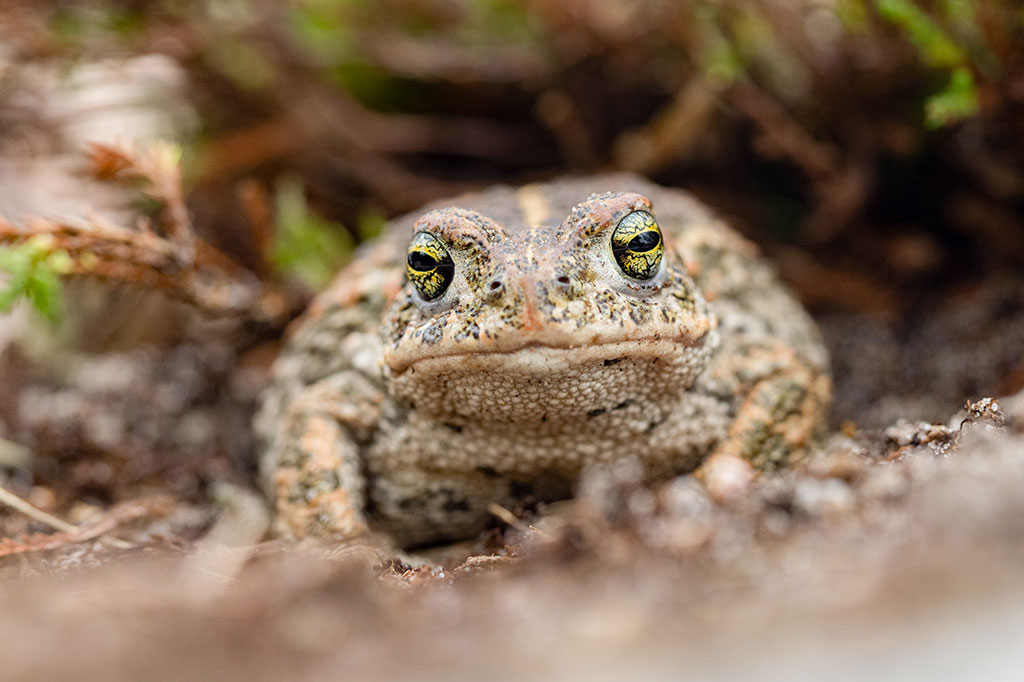
Have you ever stopped to think about where a sand martin feeds when its food supplies are wiped out? What a Natterjack toad does when its home vanishes?
In a wetland near you, many of our most treasured and important species are sounding the siren. I’m the Head of Reserve Management at WWT, the wetland charity, and I’m seeing how heatwaves, soaring temperatures and extreme storms are shattering the balance of nature – and creating an emergency we can’t afford to ignore.
What’s happening right now
We’ve all seen the landscape changing before our very eyes. Summers are getting warmer, plants are blooming earlier, crops are failing under the heat, winters are getting wetter and named storms – like the devastating Storm Éowyn that swept the country in January – are pummelling the landscape. All year round, wildlife is struggling to survive and being forced to adapt in a world out of balance.
Across WWT’s 10 wetland sites in the UK, I’m seeing the devastation firsthand.
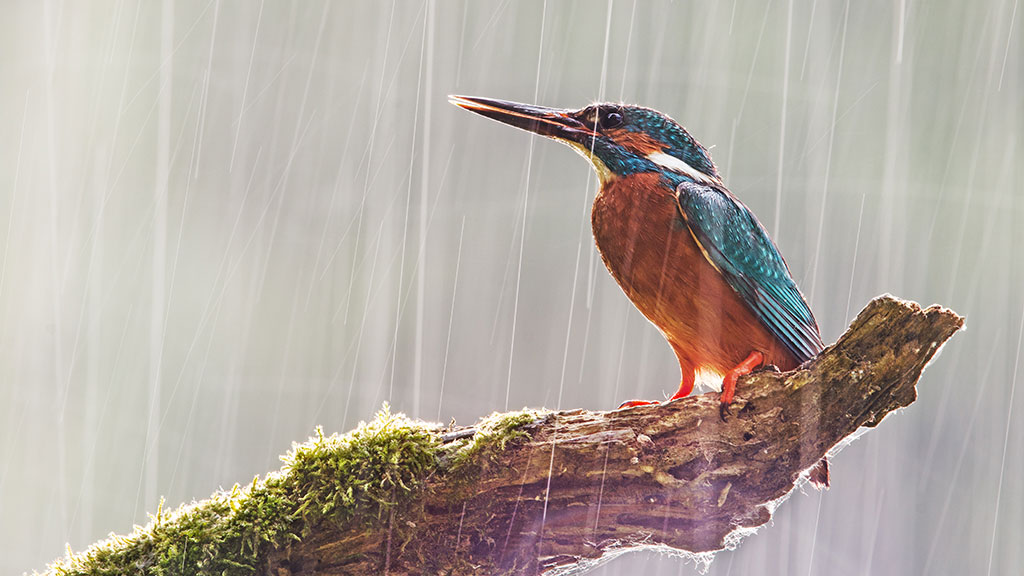
Kingfishers are struggling to build nests as torrential rains wash away wetland banks. At WWT Slimbridge last year, we saw this crisis play out in real time. A very mild late winter caused a pair of kingfishers to arrive and breed earlier than we’d ever seen. But as they dug a nest and seemed on the verge of laying eggs, winter weather returned. Storms washed their nest clean away. They tried to make another. That washed away too – and so did their chance of bringing new life into the world.
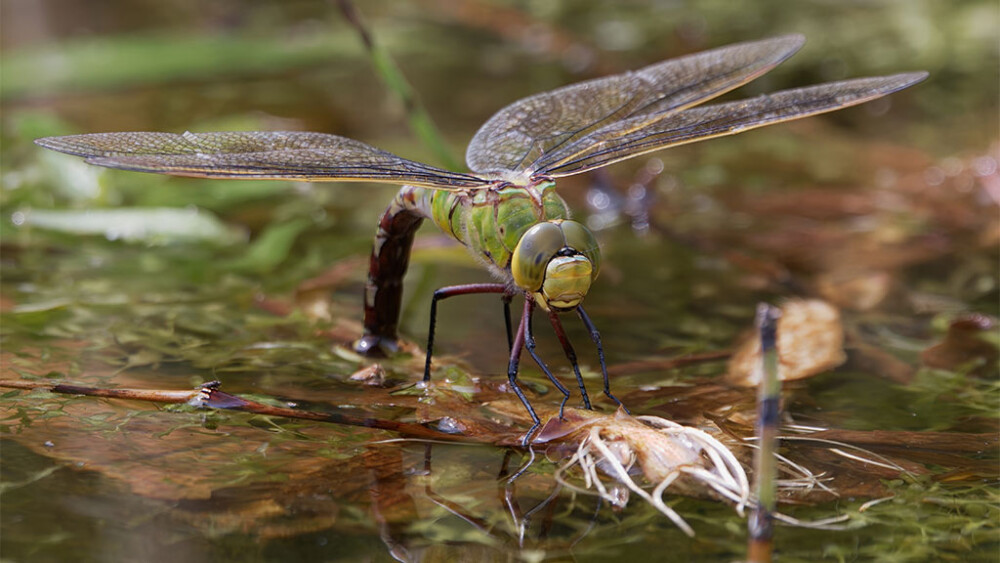
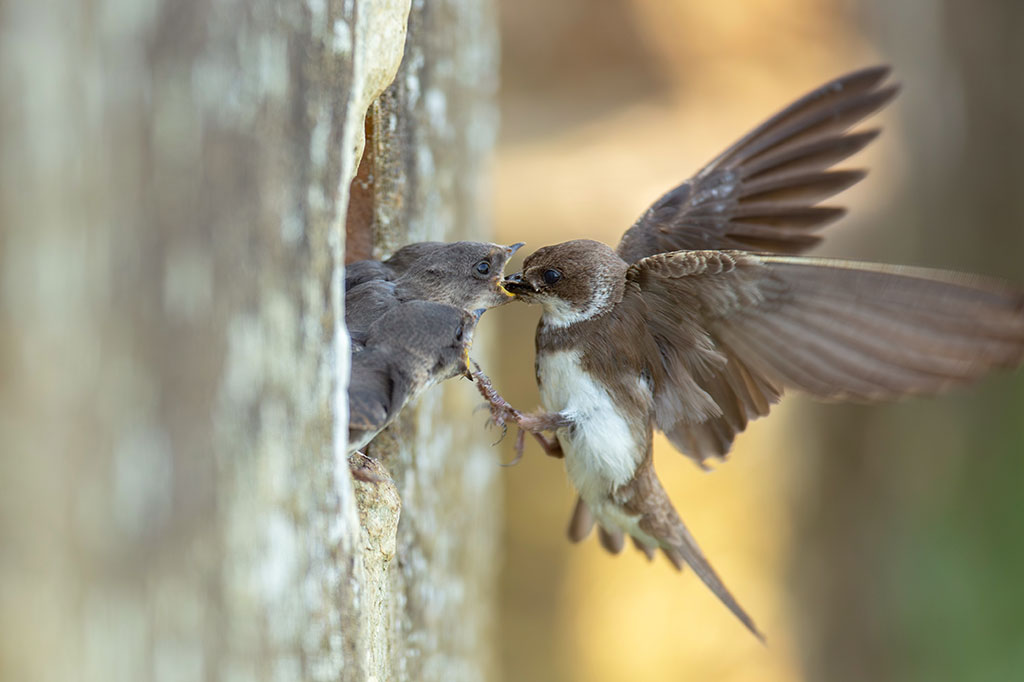
Sand martins are also struggling; unable to feed their young as food supplies are wiped out. The special and rare Natterjack toads that we monitor at WWT Caerlaverock are desperately searching for places to mate as ancient ponds vanish. Even the great silver diving beetle – a symbol of thriving wetlands – is now searching in vain for the healthy aquatic plants it needs to survive.
This isn’t a problem that our wildlife can wait to solve. The climate crisis in changing our wetlands – and our landscapes – right now. And wildlife is sounding the siren call to help.
What’s the solution?
As wetland experts , we know what we need to do to make our wetlands more resilient to the ever-increasing impacts of climate change. We also know that adding water to our landscapes can help to mitigate some of those impacts.
Here are 10 ways we can answer wildlife’s siren call:
- Create stronger, more resilient banks for birds to nest
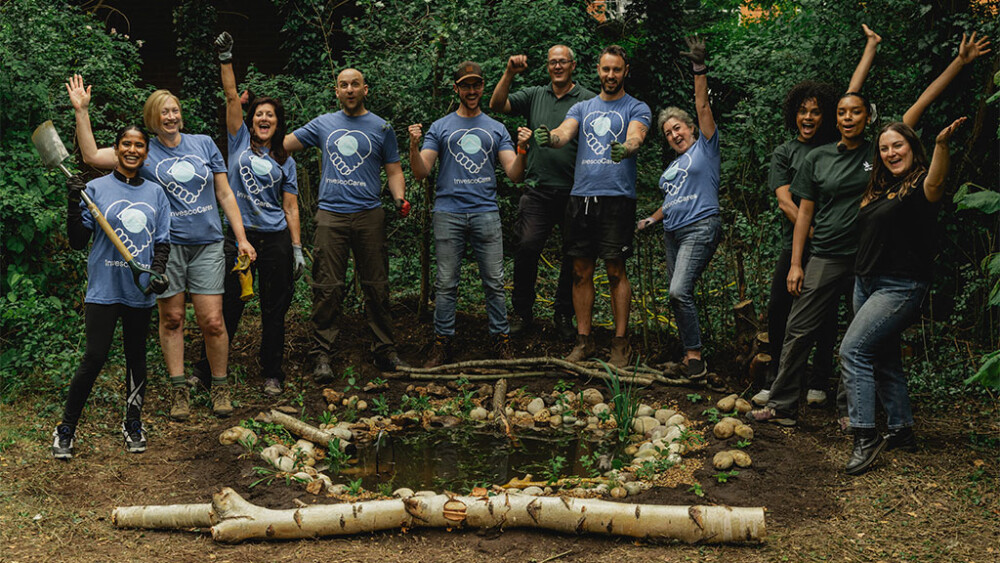
- Build new inland ponds for frogs and toads to breed safely
- Build and maintain new sand martin nesting sites
- Connect existing ditches to help great silver diving beetles to thrive
- Control water temperatures to support larvae development
- Manage water levels with new pipe systems and technology
- Create safe homes for new species journeying to the UK for the first time
- Sensitively manage land to support plantlife, as well as insects
- Suit and boot our teams so they can best deliver for wetlands and wildlife
- Research and monitor as we go, developing and sharing our learnings for the future