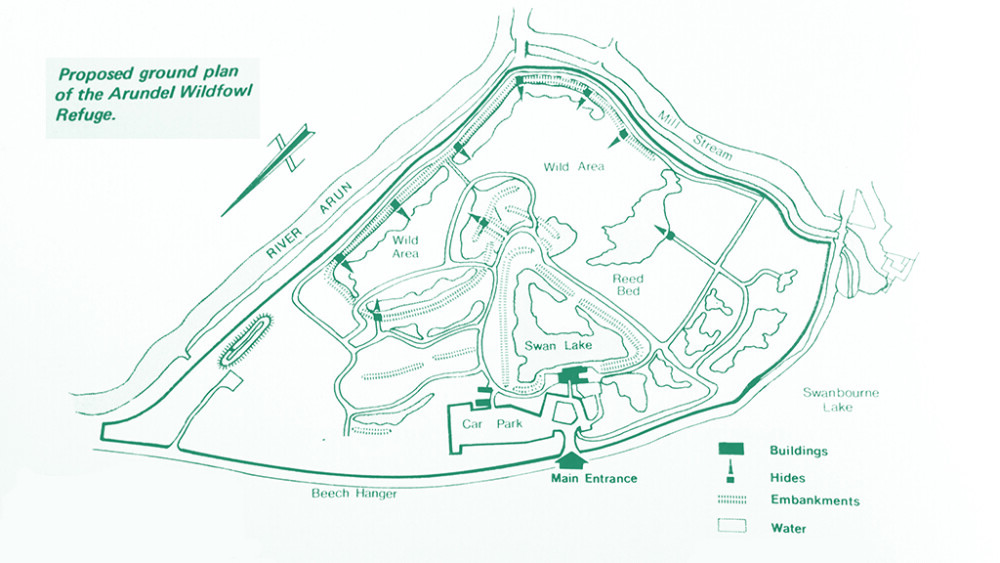
As WWT Arundel Wetland Centre prepares to celebrate its 50th anniversary this November, 2026 marks another significant milestone: the 80th anniversary of WWT itself.
Here in Arundel, our journey began 50 years ago with Sir Peter Scott's ambitious vision to transform flood plain and old water cress beds into a thriving wetland reserve. As we celebrate these anniversaries, we look back at the challenges, determination and passion that shaped the WWT Arundel Wetland Centre into the much-loved destination and important wildlife haven it is today.
Sir Peter Scott and the Duke of Norfolk
The story of WWT Arundel Wetland Centre began in January 1970 when the Duke of Norfolk offered Swanbourne Lake to his friend, conservationist and WWT founder Sir Peter Scott, as the potential site for a new Wildfowl Trust reserve. Instead, Sir Peter set his sights on a different location: 60 acres of water meadows and former watercress beds beside the River Arun, across Mill Road from the historic town of Arundel.
Progress and setbacks
Work to bring Sir Peter's vision to life started in 1971 when former WWT Slimbridge Warden Andrew Dawnay moved to Arundel to oversee the creation of the new reserve. While there was some local opposition due to concerns about increased traffic, the Arundel Town Council voted in favour of the creation of the attraction in January of 1972, and planning permission was granted by Worthing Rural District Council later that September.
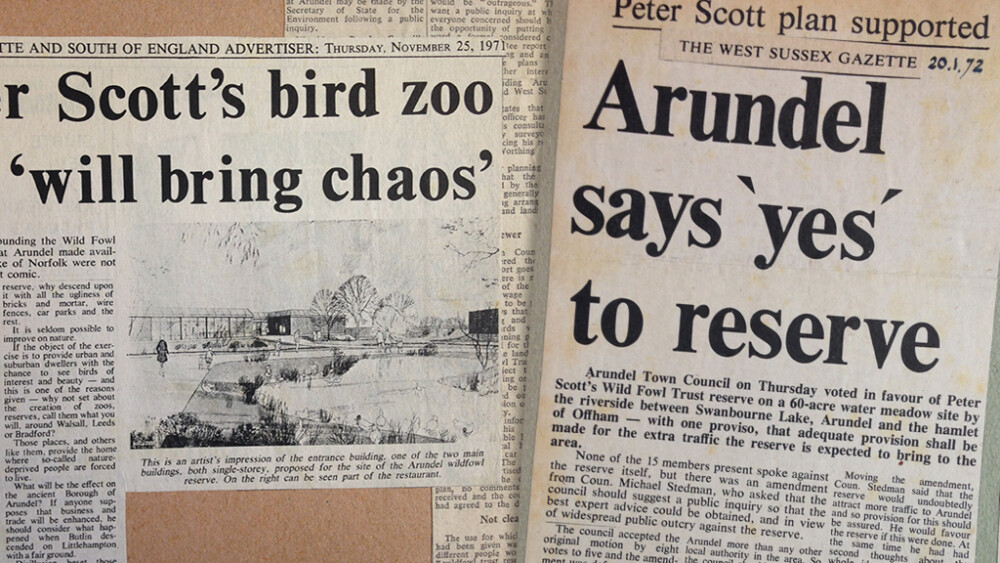
Articles in the West Sussex Gazette noting the controversy and the successful vote at town council.
Works on the site began in May 1973, with the construction of the ponds and banks. Common sandpipers enjoyed the churned up mud and kingfishers were already on the developing wetlands. Landscaping and reseeding continued throughout 1974, but progress was slowed by rising infrastructure costs, road building and a series of winter floods that inundated the site three times during 1974 and 1975.
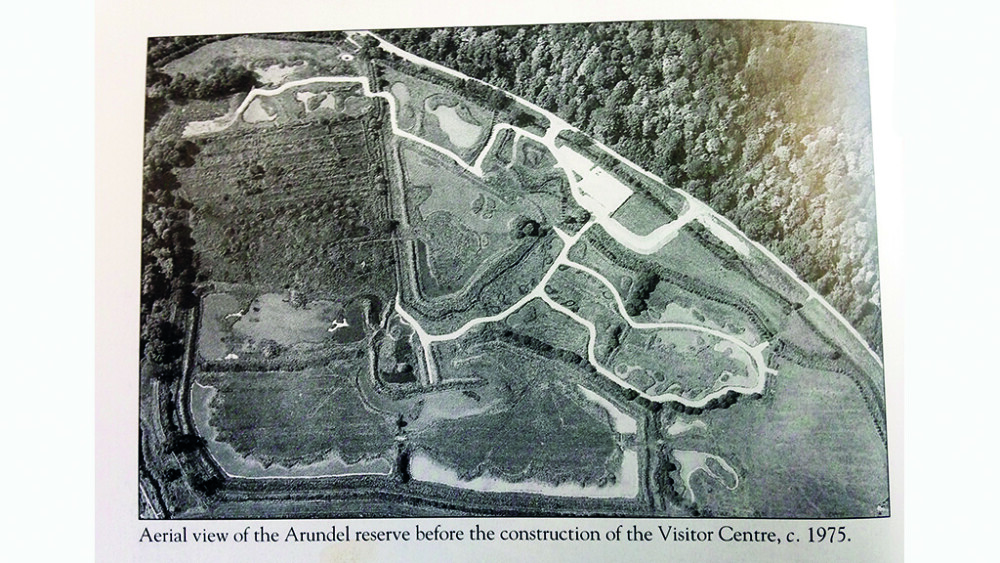
Aerial View of WWT Arundel in 1975 before the hides and buildings were constructed. Image: WWT
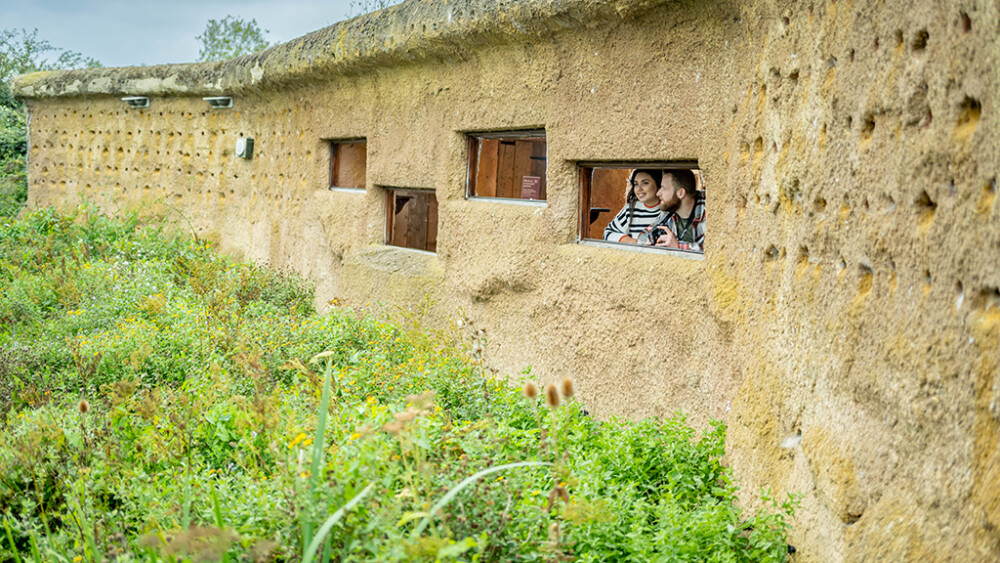
Despite these challenges, development continued. In 1976, work began on first two of the reserve's wildlife hides the Long Hide, now known as the Peter Scott Hide, and the Scrape Hide which overlooked the reedbed and ‘Wader Scrape’.
Opening Day
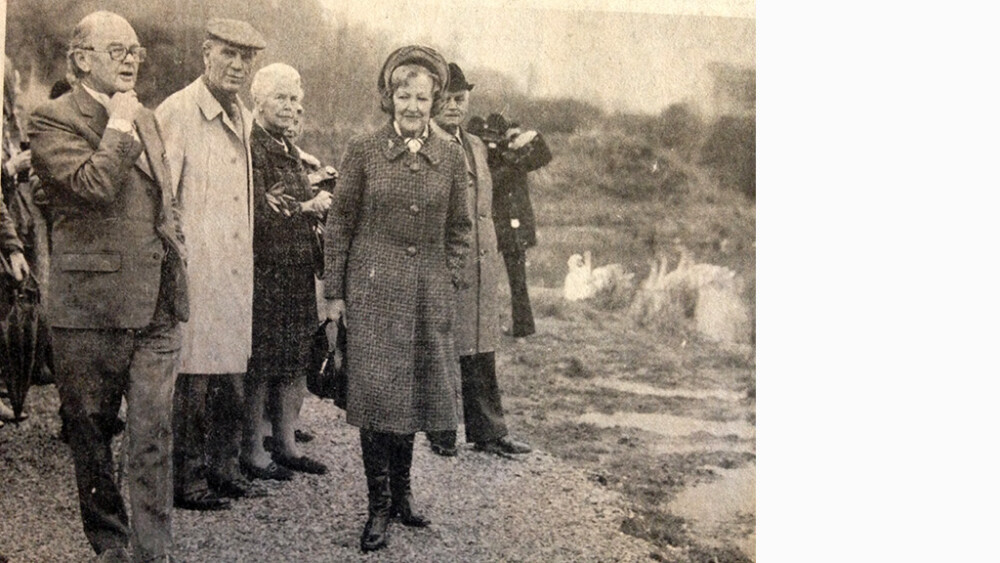
After years of planning, construction and perseverance, the vision finally became a reality. On Wednesday 10 November 1976, the 64-acre Arundel Wildfowl Refuge was officially opened by Sir Peter Scott and Lavinia, Duchess of Norfolk. Visitors arriving on opening day were greeted by a modest portakabin at the entrance and around 700 birds in the exhibit areas. Admission was just 50p for adults and 25p for children, marking the beginning of a remarkable conservation, education and visitor attraction that continues to inspire people and connect them with wetlands nearly fifty years later.
More to come
This is the first in a series of articles celebrating the 50th anniversary of WWT Arundel Wetland Centre. Throughout the autumn, we'll be exploring the milestones that have shaped the centre over the past five decades, from its creation to the thriving wetland reserve enjoyed by visitors today.