On the evening of 6 October, WWT Arundel welcomed a team of bat conservation specialists and volunteers to help gather valuable information about the reserve's bat populations.
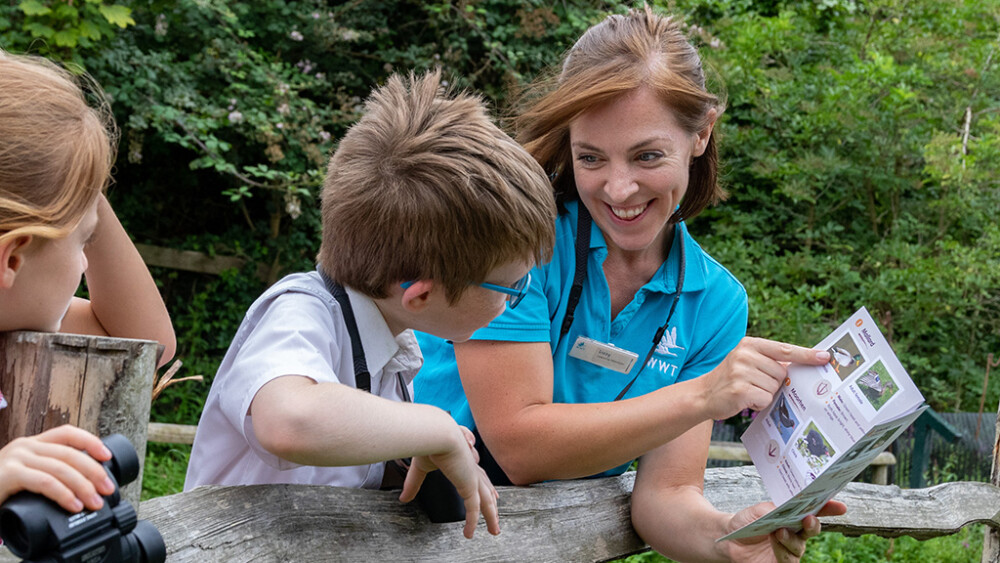
Licensed bat workers Professor Fiona Mathews, PhD student Charlotte, and Martyn Cook worked alongside members of the Sussex Bat Group, WWT Head of Reserve Management Leigh Marshall, WWT Arundel Reserve Manager Suzi Lanaway and six other WWT staff and volunteers in a collaborative effort to better understand the bats using the site.
The evening focused on surveying and monitoring Nathusius' pipistrelle, one of Britain's most fascinating migratory bat species. By safely capturing, recording and tagging individuals, the team hoped to learn more about how these bats use the local landscape and the important role wetlands play in supporting them. Nathusius' pipistrelles are known for undertaking remarkable long-distance journeys across Europe, yet many aspects of their movements and behaviour in the UK remain a mystery.
A Night of Bat Research
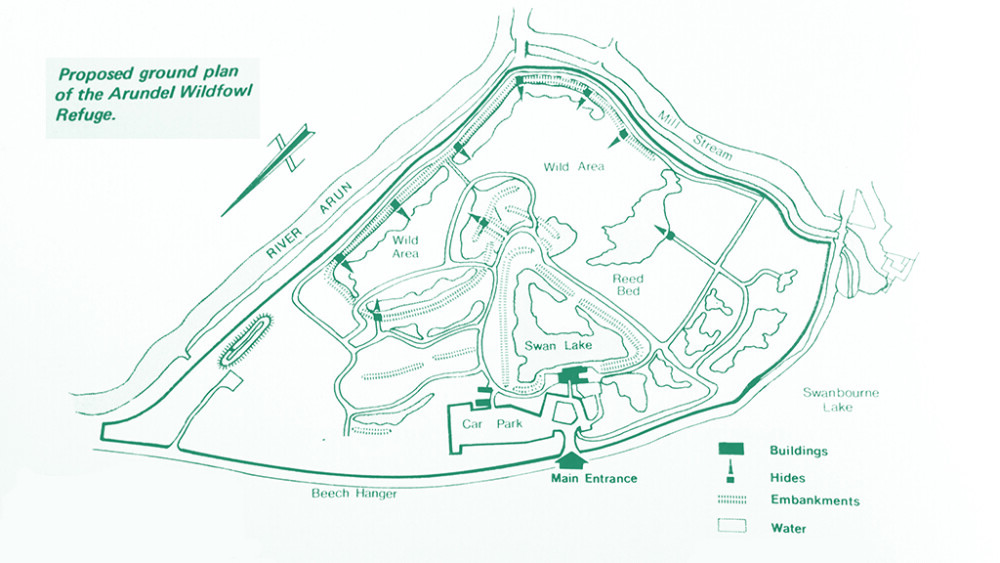
Following an approach from Aidan Bird of the Sussex Bat Group, researchers visited WWT Arundel to carry out harp trapping across the reserve. Five specialist harp traps were erected in carefully chosen locations around the site before sunset at 6.30pm and remained in place until shortly after midnight.
Sound lures were used alongside the traps to attract bats moving through the landscape. Although some technical issues due to dampness affected the equipment during the evening, the traps proved successful, capturing a variety of species within the first three hours of operation.
Bat surveys using bat detectors are completed by the WWT Reserve each month between April and October. The harp trapping with licensed bat handlers was an exciting opportunity for the team for see and identify the bats up close.
WWT Arundel Reserve Manager Suzi Lanaway said: “We usually ID bats from a distance, recording their calls on our detectors. The licensed bat handlers were able to show us vein patterns in wings, one of the ways they use to confirm species bat species. It was fascinating to see these animals in such detail."
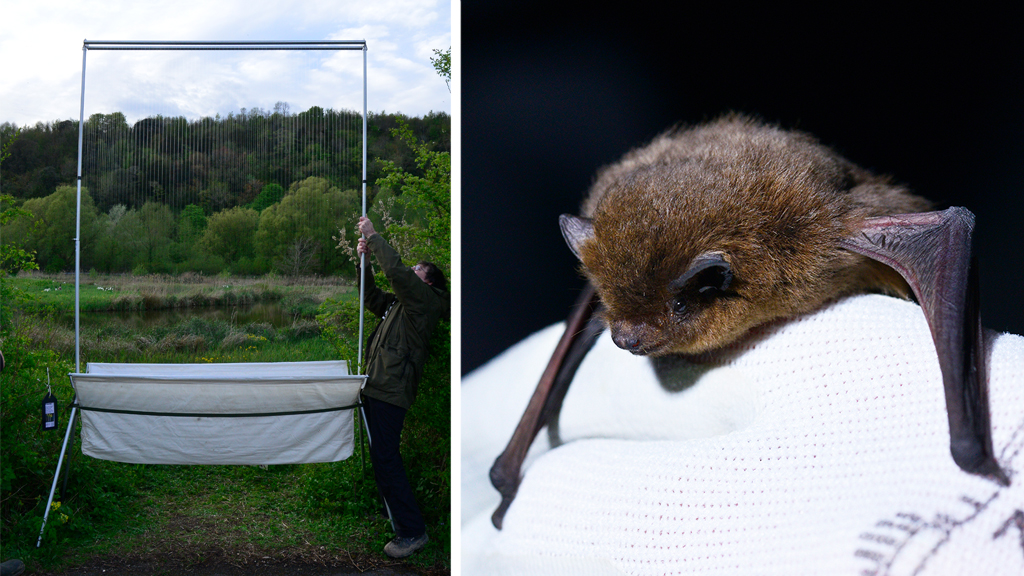
A harp trap and a Nathusius' pipistrelle, from 2018, at WWT Arundel.
A Special Capture
Among the bats caught was a male Nathusius' pipistrelle, captured in Trap 3 along the tree-lined route between Wetland Discovery and the Waterside Walk area. This was the target species for the survey and an exciting find for everyone involved.
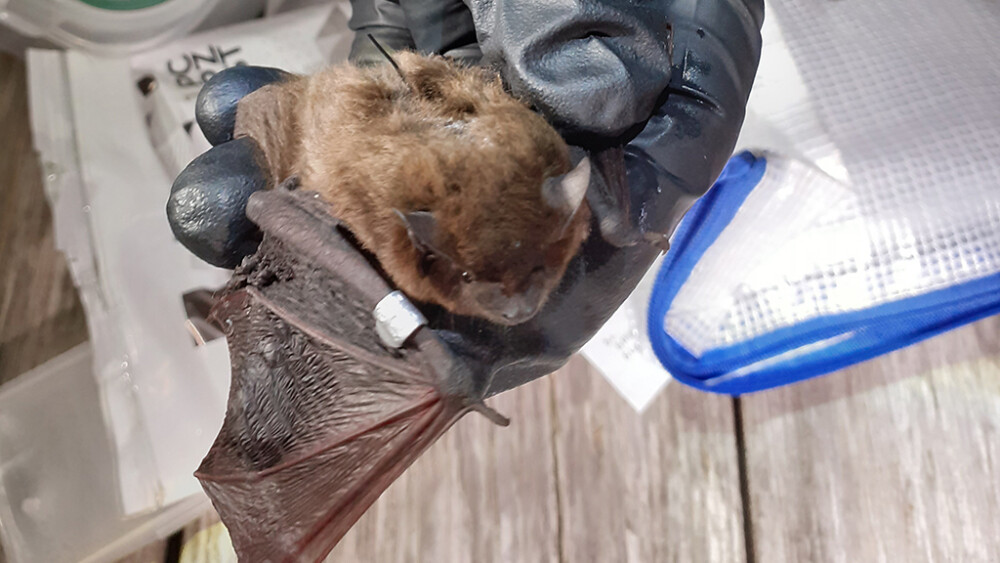
The bat was carefully examined, ringed and fitted with a tiny radio tag (number 7F2E5AE4) before being named "Arun (WT) Alexander". See this bat in the pic at the top of the story, with the radio tag he was tagged with visible. Tagged bats are “named” according to the site where they were captured. “Arun Alexander” is because he was caught here at Arundel. Previously a bat caught elsewhere in Arundel was called Arun, so they added WT to the name.
The research team's celebrations did not stop there. Just one hour after release, the tagged bat was tracked to Yapton, having travelled along the A27 corridor. This immediate movement provided valuable information about how Nathusius' pipistrelles navigate the local landscape and will contribute to a wider understanding of the species' ecology.
More Than Just Nathusius'
The trapping session revealed a rich diversity of bat life across the reserve. In total, researchers captured:
- Two male Daubenton's bats
- One male Nathusius' pipistrelle
- One male whiskered bat
- One male soprano pipistrelle
Temperatures dropped as the night went on, limiting bat activity at the harp traps, but using thermal binoculars the teams saw between 30 and 40 Daubenton's bats feeding over the large lagoon near Ramsar Hide.
Acoustic recordings made using an Echometer Pro detected even more species onsite that weren’t trapped, including common pipistrelle, soprano pipistrelle, Nathusius' pipistrelle, barbastelle, noctule, brown long-eared bat and Leisler's bat.
A Wider Picture
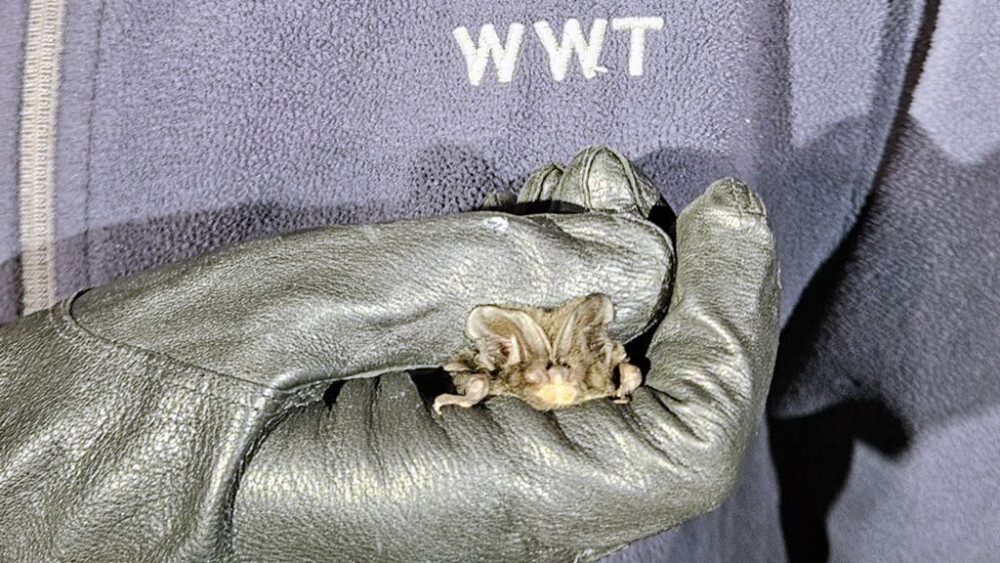
A female barbastelle bat was also tagged. Photo: Sussex Bat Group
The evening's work at the wetland centre site formed part of a broader bat conservation effort taking place across Arundel. While the WWT team conducted harp trapping on the reserve, other licenced bat specialists Annika Binet and Aidan Bird were harp trapping and mist-netting at Swanbourne Lake across the road. Their efforts were equally successful, resulting in the capture and tagging of a female Nathusius' pipistrelle and a rare western barbastelle, as well as the recording of a serotine bat.
Why It Matters
Wetlands are often celebrated for their birds, but they are equally important for bats. The lagoons, reedbeds, hedgerows and woodland edges at WWT Arundel provide rich feeding grounds for insects, which in turn support a remarkable diversity of bat species.
The successful capture and tagging of "Arun (WT) Alexander" offers an exciting glimpse into the secret lives of these night-time mammals and highlights the value of collaborative research between WWT, Sussex Bat Group and bat conservation specialists.
As tracking data continues to be collected, researchers hope to learn even more about how Nathusius' pipistrelles use the Sussex landscape and the role wetlands play in supporting their journeys.