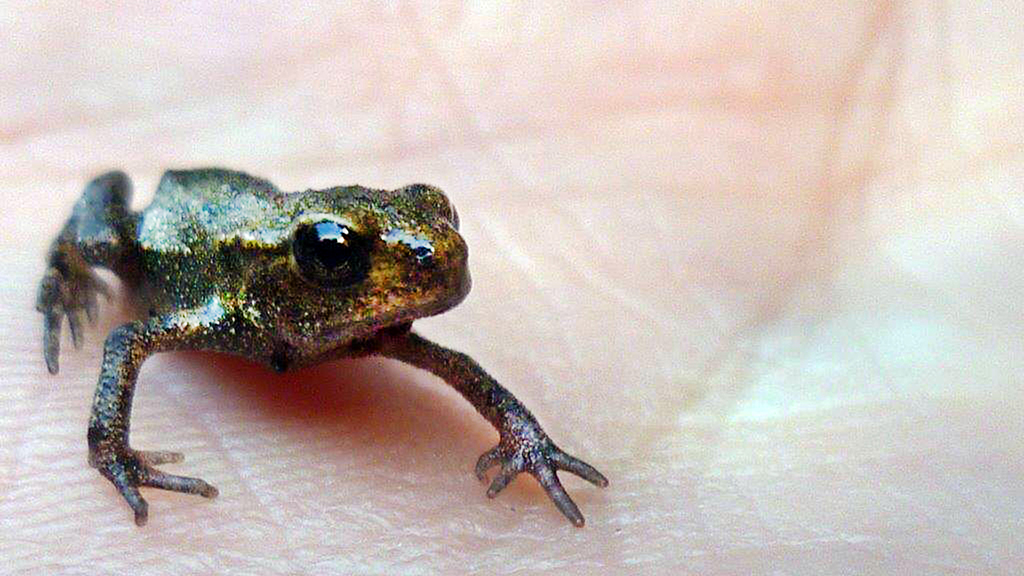
Conditions at WWT Arundel Wetland Centre are combining to create a boom in the site's toad population this summer.
The main toad pond was desilted and improved over the winter, just in time for the over 400 toads rescued by WWT Arundel's toad patrol to lay and fertilise eggs. This has spawned tadpoles in the "squillions" now visible, according to Reserve Manager Suzi Lanaway.
On their way into the centre each day visitors have been watching in earnest - first the influx of toads in February and now the plethora of tadpoles growing in the front pond.
Underwater world of toads in the entrance pond at WWT Arundel at end of February 2026
Our Toad Patrol save over 400
This year the Toad Patrol at Arundel Wetland Centre (Site 768) ran from 30 January to 3 March 2026, with patrols carried out on 26 nights during this period. Patrol Volunteers were made up of WWT staff & volunteers, friends and family. They monitored amphibian movements during the main spring migration, typically patrolling Mill Road outside WWT Arundel Wetland Centre in the early evening for two to four hours per night.
Over the course of the patrol season, a total of 408 common toads were rescued and safely helped across the road, comprising 349 males and 59 females. Sadly, 62 toads were found killed by traffic. In addition to toads, the patrol saved many newts - 229 smooth newts and 320 palmate newts were successfully helped across the road.
The highest numbers of amphibians were recorded on mild, wet evenings, especially when temperatures were between 8–11°C and following rain or heavy showers. Nights with light or heavy rain consistently produced the largest rescue counts, particularly in early to mid‑February, when peak movement occurred.
Toad tadpoles wriggling in the front pond at WWT Arundel in March
Pond improvements have toad appeal
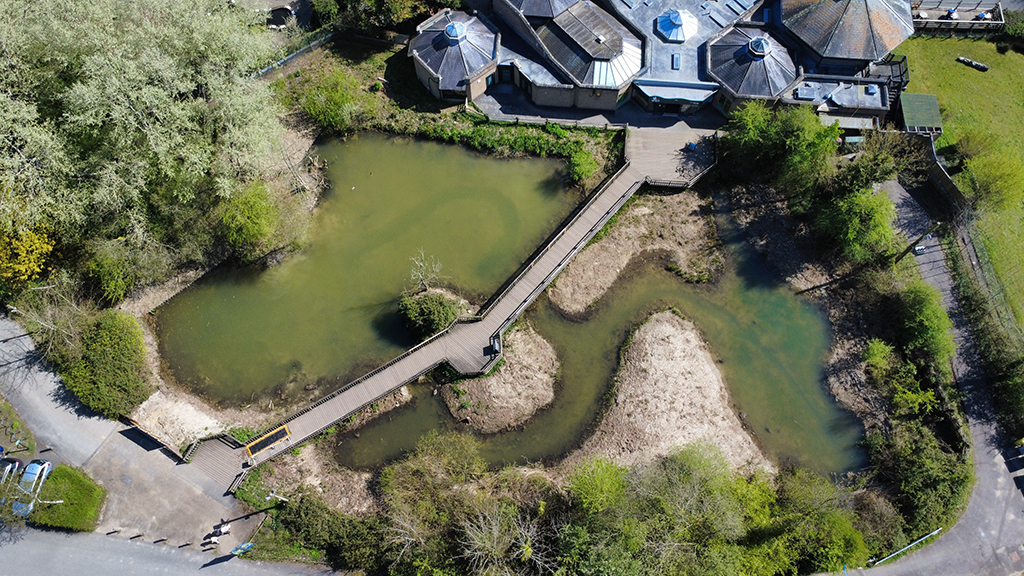
The desilting project on the front entrance pond over the winter months removed large amounts of silt to increase the water-holding capacity of the ponds. This work was essential, as the ponds had been getting progressively shallower due to silt build-up. Hot summer weather was then causing the ponds to dry out - not a great habit for toads. The pond has bounced back quickly and the toads took to it immediately. Reeds around it are growing back quickly and mallards, gadwall, moorhens and mandarin ducks have been enjoying the surface, while the tadpoles wriggle below.
WWT's Spring Amphibian Appeal
WWT's spring appeal focuses on the plight facing many of our amphibians. Nearly half of the UK’s amphibians are at risk of extinction. But we have a plan to save them.
Restoring ponds in the UK is key to helping our amphibians. We are doing this in by creating and restoring ponds at all 10 of our wetland sites across the UK so that wildlife such as amphibians can flourish. We are also working with landowners such as farmers to advise and encourage them to create and restore ponds on their sites.
Part of the project is to encouraging the creation of ponds in residential gardens through advice and support, visits to schools and practical demonstrations at our 10 wetland sites.
We are raising money for our Climate Resilience Fund, which funds climate-friendly projects at all 10 WWT sites that will benefit amphibians amongst other species. We are aiming to raise £50,000. You can donate our website at www.wwt.org.uk/croak or call WWT Supporter Services on 01453 891198.