September marks the beginning of a season of change and reflection.
Nature's palette starts to shift, and migrating birds either pass through on their journeys south or arrive to spend the winter with us. Here are some of the comings and goings to look out for as autumn slowly creeps in later this month. Spend some time in the hides and you may be rewarded with the flash of a kingfisher, a snipe breaking cover, or a graceful grey heron.
Sand Martins
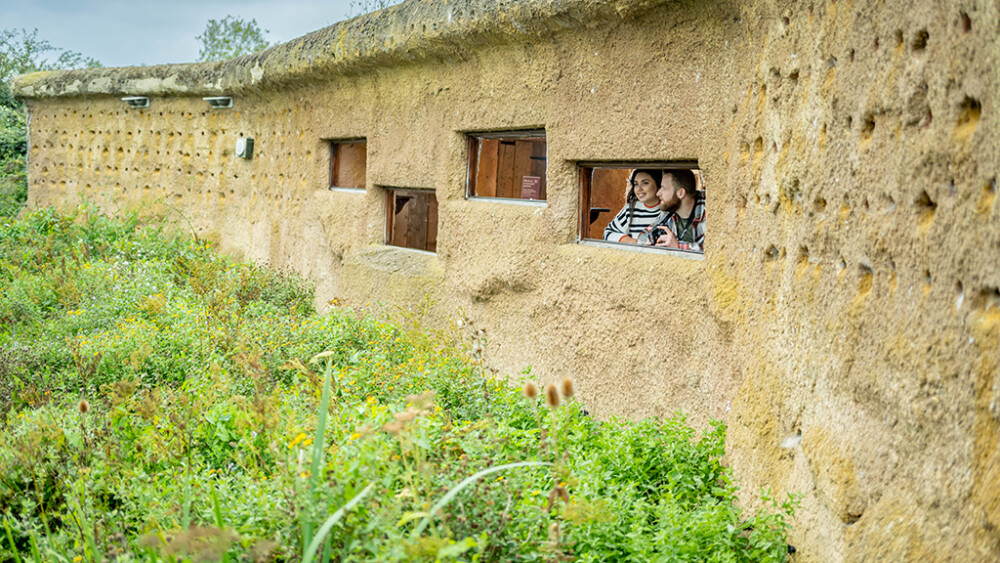
It's migration time for our martins. Sand martins have been dispersing from their nesting bank, viewed from our Sand Martin Hide, since late August. Most of the nesting holes were occupied this summer, so we're excited to inspect them later in the autumn, when we can do so without disturbing wildlife.
In previous years, we've seen large numbers of sand martins, house martins and swallows passing through the reserve on their migration south during August and early September.
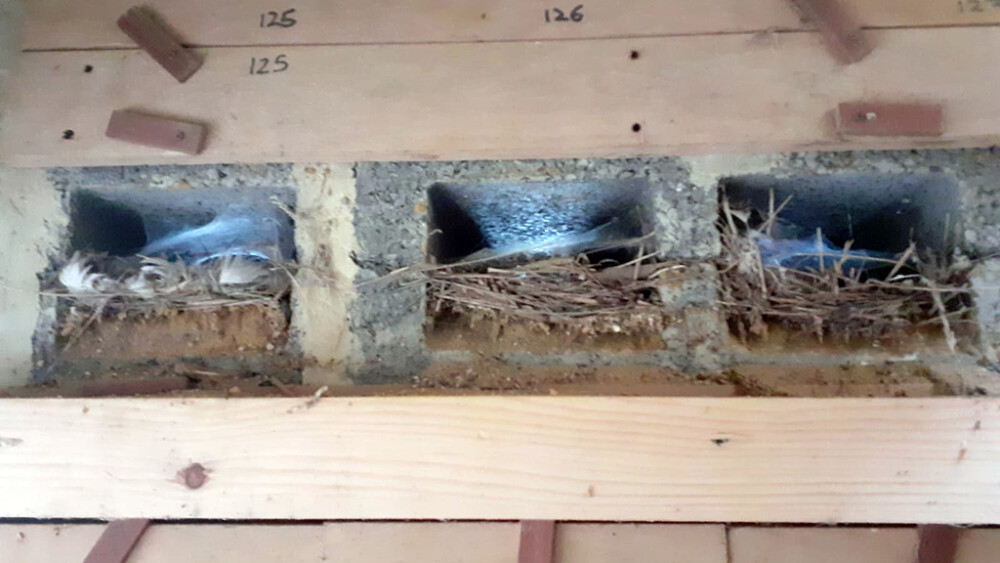
Nest chambers in the Sand martin hide
Small Birds
Sedge warblers and reed warblers will soon head south to spend the winter in Africa. Blackcaps, willow warblers, garden warblers, reed warblers, sedge warblers and whitethroats are all moving southwards too. However, Cetti's warblers remain on site throughout the winter, delivering occasional explosive bursts of song.
Robin and blackbird numbers will increase during autumn and remain high throughout the winter. The mix of species on site varies daily, so pick a hide and try your luck. A visit to either the Ramsar or Scrape Hide should also increase your chances of spotting a kingfisher.
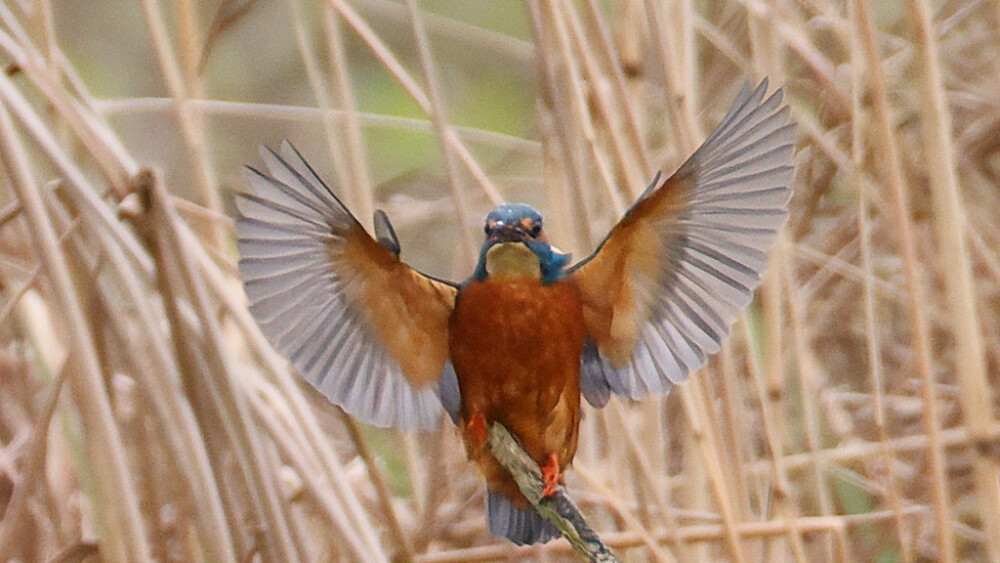
A kingfisher at WWT Arundel photographed by Mike Jerome.
Herons and Egrets
Grey herons become more plentiful and easier to spot as the days cool and vegetation dies back. We also see more cormorants in autumn, particularly on the large lagoon between the Ramsar and Sand Martin hides.
Little egrets and cattle egrets remain on site year-round. Egrets often roost together near the Ramsar Hide, with larger groups sometimes gathering opposite the Sand Martin Hide or near the Scrape Hide.
Small Waders
The snipe population at Arundel Wetland Centre begins to increase in September as birds arrive from northern Europe and Russia to spend the winter in southeast England. These small, stocky waders have short legs and beautifully mottled brown and buff plumage that provides excellent camouflage among reeds and muddy margins.
Snipe use their incredibly long bills to probe the mud for invertebrates. On most days it's difficult to know exactly how many are on site. We may record only a handful during our morning counts, but when entering an area for habitat management work, we can sometimes flush more than 30 birds into the air at once.
In September we can often hear water rails squealing from the reedbeds. Their contact call has been likened to a pig-like squeal. While a few remain on site throughout the year, we receive an influx of birds from elsewhere in the UK and mainland Europe during autumn. These secretive birds, with their large feet and striking red bills, often scurry for cover at the slightest disturbance. They're closely related to moorhens but are smaller and more slender.
In recent years we've seen increasing numbers of lapwing returning to the site in autumn and winter, with a small flock now regularly wintering here. Look for them on the islands between the Ramsar and Sand Martin hides.
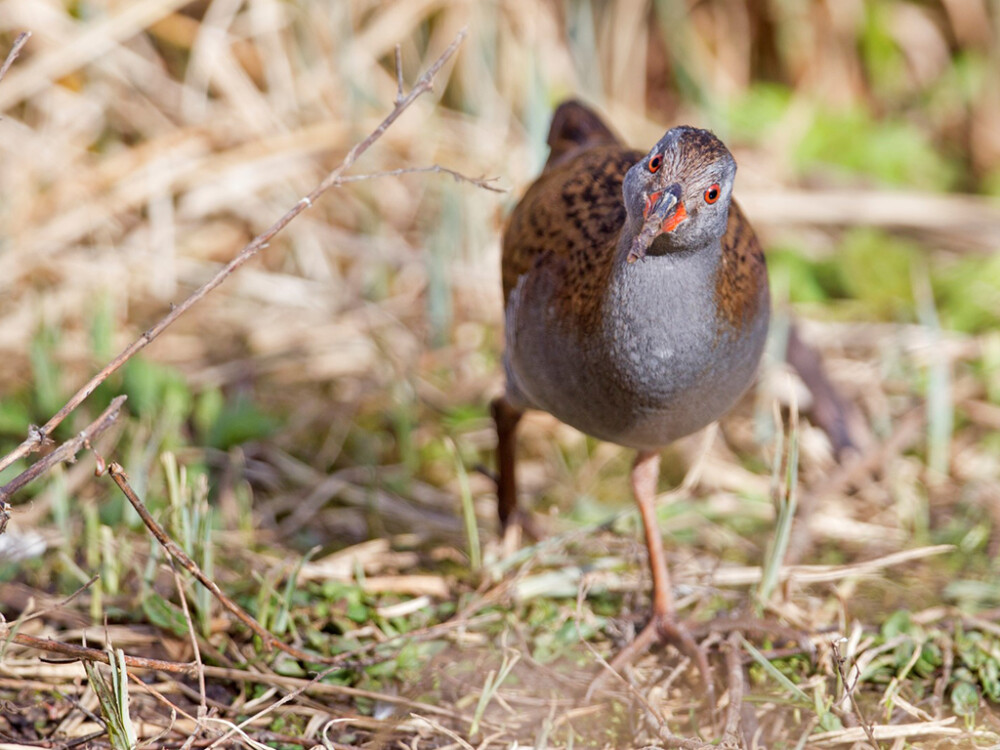
A water rail at WWT Arundel Wetland Centre.
Ducks
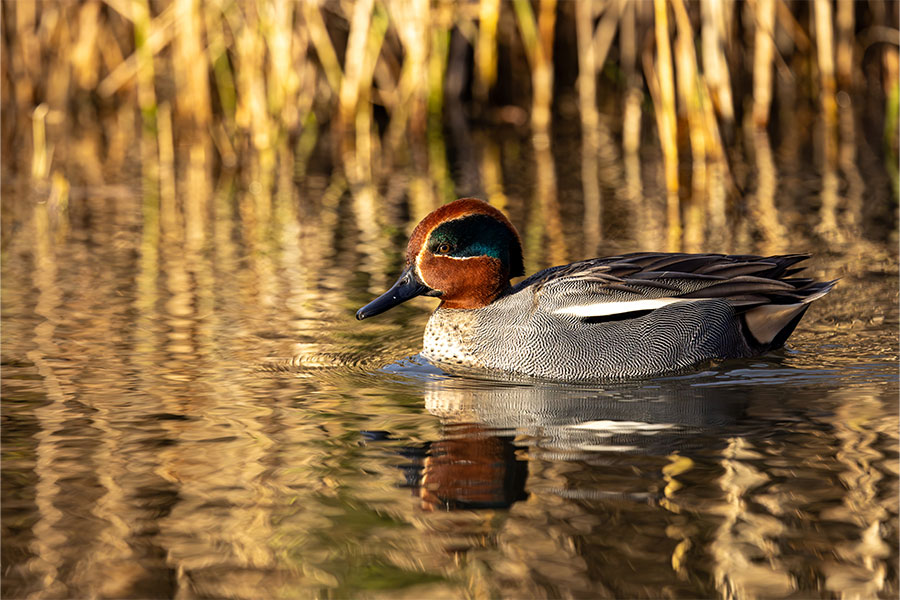
Gadwall numbers increase during September, while teal numbers also build through autumn, typically reaching around 40 to 50 birds. The Scrape Hide is an excellent place to watch both species.
Numbers of these ducks can fluctuate throughout the season depending on water levels, temperatures and the availability of feeding areas across the wider Arun Valley.
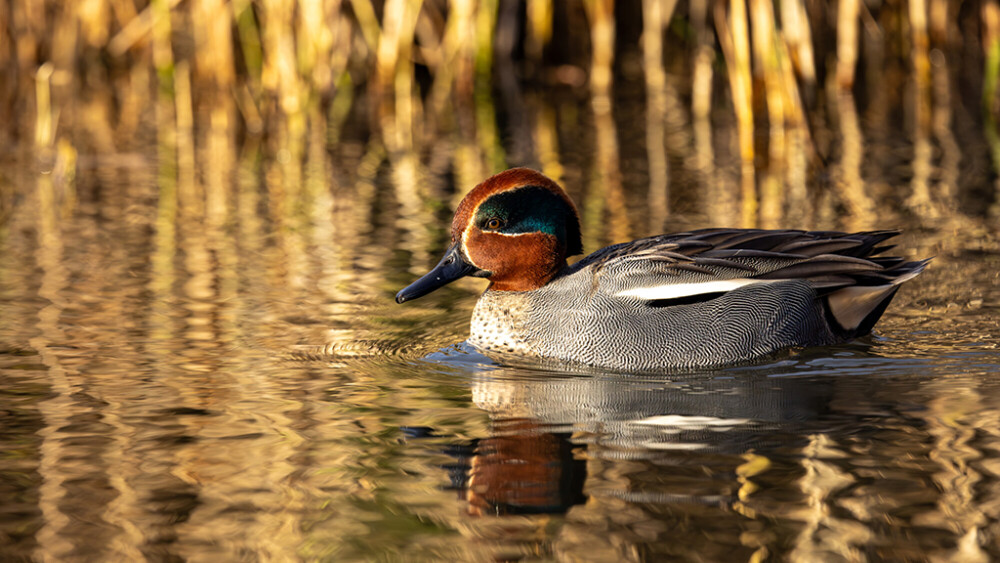
A male teal duck in autumn.
Raptors
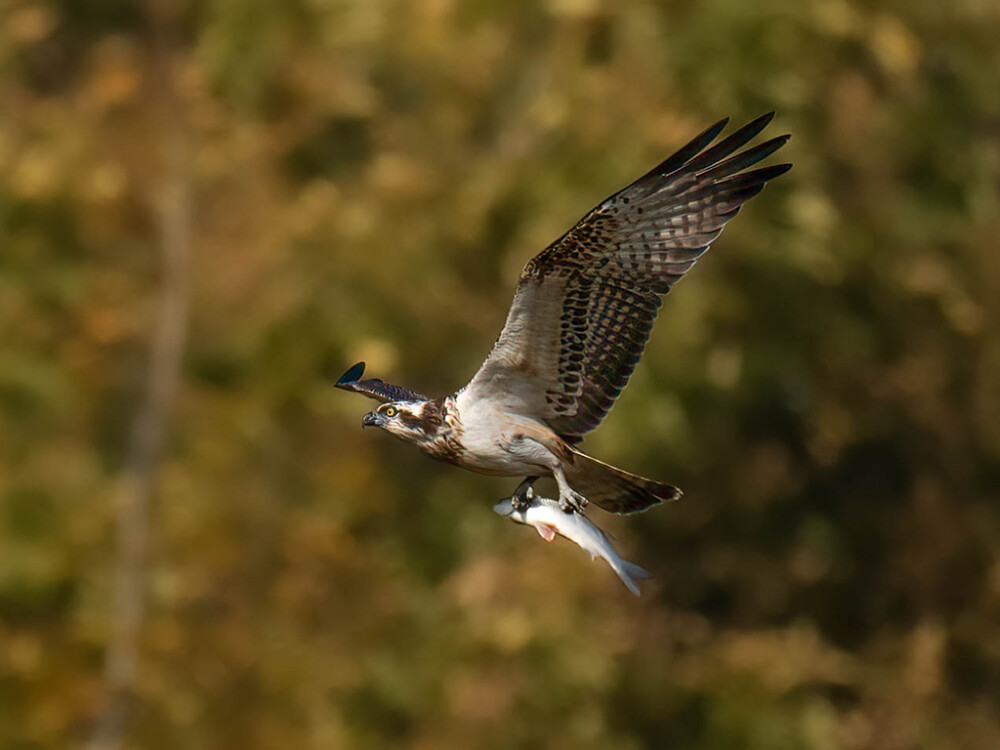
We begin seeing ospreys stopping over in late August and September. These impressive fish-eating birds sometimes stay for just a day or two, but last autumn one remained on site for three weeks. The photo at the top was taken by Alec Pelling in Oct 2025 of the osprey after catching a fish.
Buzzards can often be seen soaring on thermals rising from Offham Hanger on warmer days. Keep an eye out for kestrels too. As October approaches, we'll be watching the skies for increasing numbers of marsh harriers, which begin using the reserve as a roosting site.