The first sightings roundup of the New Year – and what a bird-filled few days it’s been!
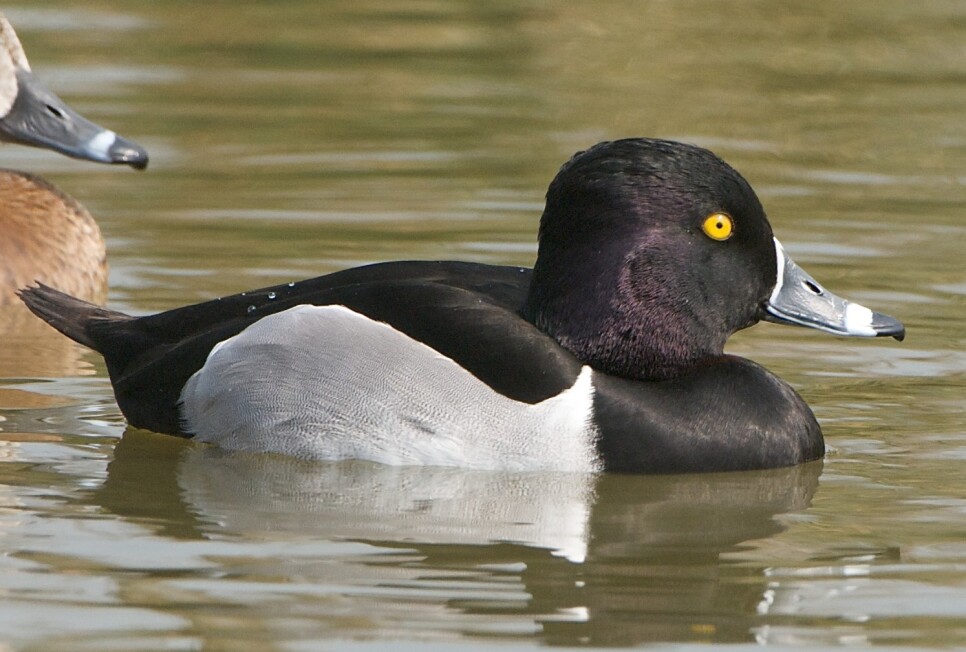
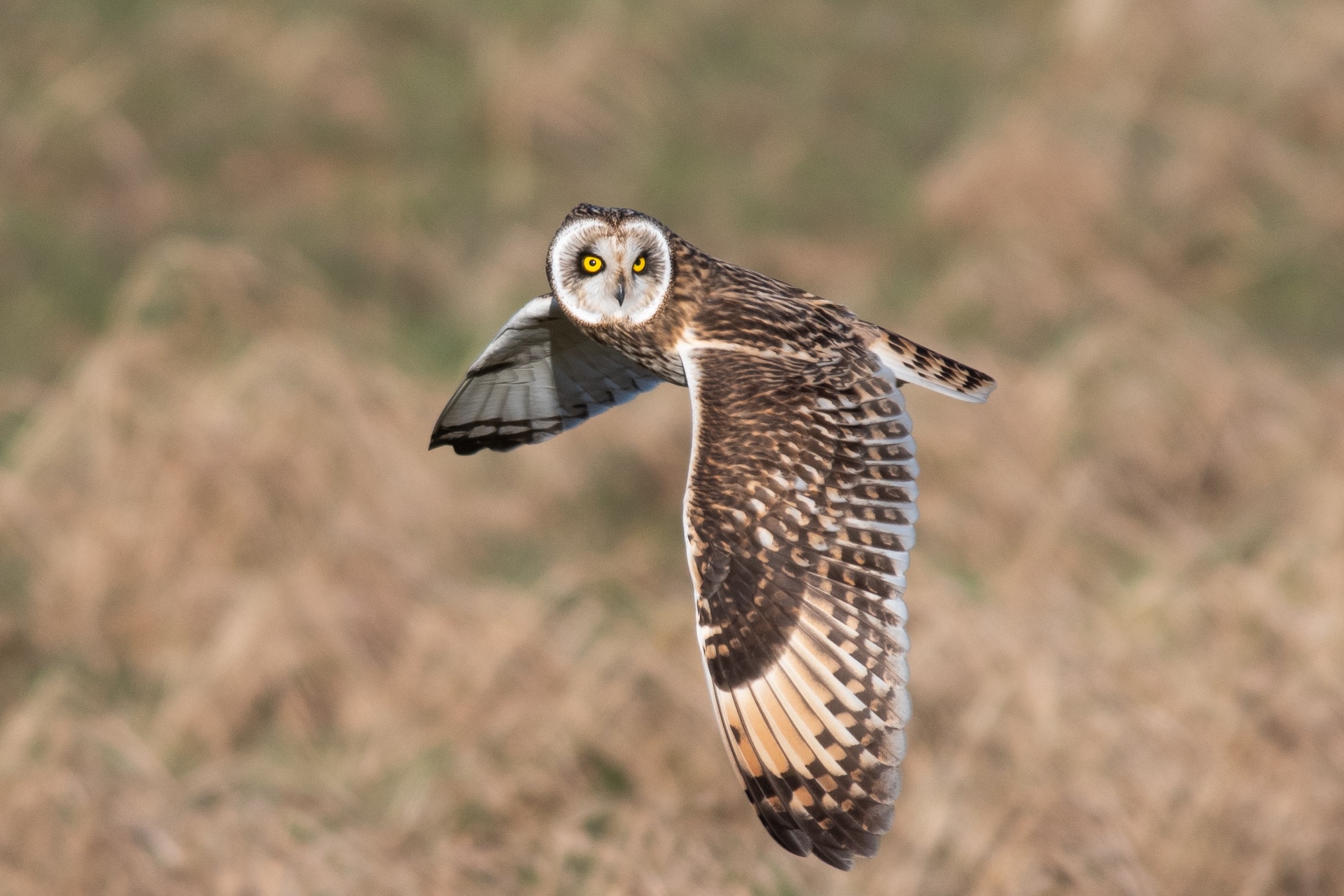
The long-staying rarities continue to amaze – the male Ring-necked Duck in front of Discovery Hide has been showing very well, as has the Glossy Ibis from the Gordon Taylor Hide. The Short-eared Owl is seen most days from 2pm onwards on Langley’s – the rough field near Tomlinson Hide – and is best viewed from the public footpath on this field, or from the Tomlinson or United Utilities hides.
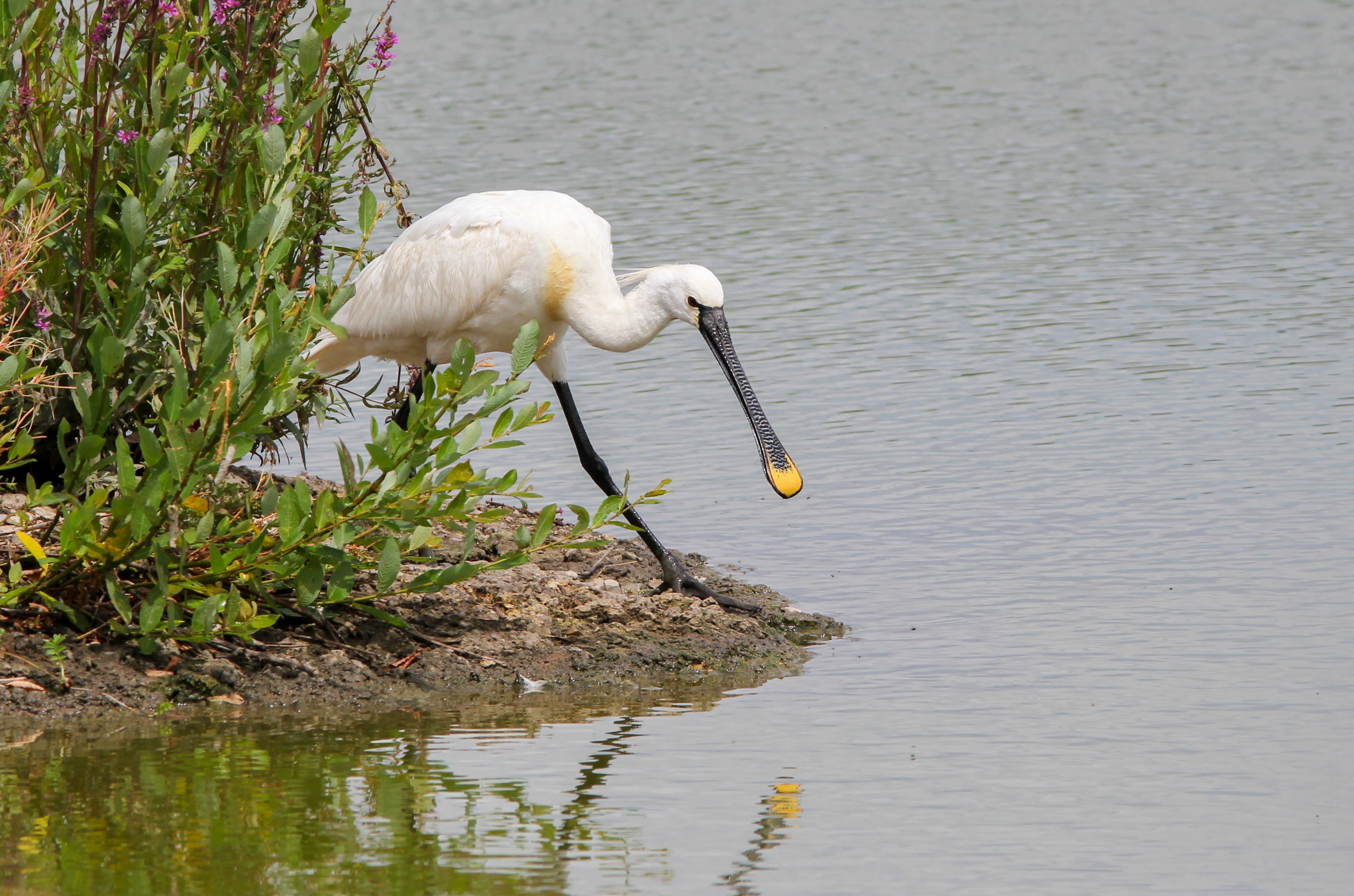
A Spoonbill has been occasionally sighted on and around the Mere, along with the usual cast – Pintail, Pochard and Wigeon are all present in good number, as well as Black-tailed Godwit and Ruff. The Lapwing flock on the back of the Mere is worth paying attention to, as whenever they flush into the air, it’s usually a good sign that a marauding Peregrine or Marsh Harrier is nearby.
Woodend Marsh remains reliable for a range of birds – as well as the now-famous Glossy Ibis, the wetland has been providing Teal and Shoveler with a good feeding habitat – these can often be seen close-in from the Gordon Taylor, Tomlinson and Rees hides. Kestrels are often seen perched on the predator fence here, as well as the occasional Sparrowhawk. It’s worth looking a little further to the back of the Reserve beyond here – or on Long Meadow, left of the track to Tomlinson - for our herds of English Longhorn cattle, and the Cattle Egret flock that is associating with them.
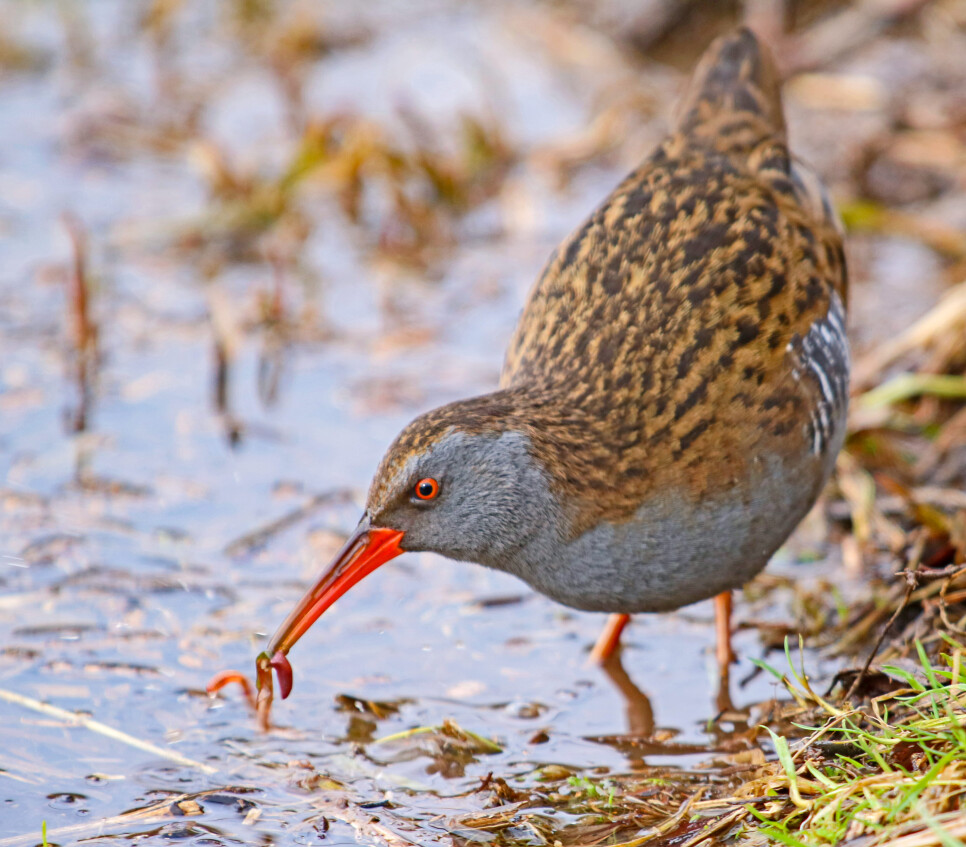
The Ron Barker Hide has been a reliable spot for birds such as Barn Owl, Great Egret and Little Egret, and just next door at the Kingfisher Hide, a Water Rail has been seen – these, along with Cetti’s Warblers, can often be heard on the Reedbed Walk.
Photograph of a Spoonbill.