
Stand on the bank of any British river and you are standing beside a story that is thousands of years old. Not just a physical story of water shaping land, but a cultural one - of people naming, using, fearing and revering flowing water long before there was a map of the UK; or even a concept of Britain itself.
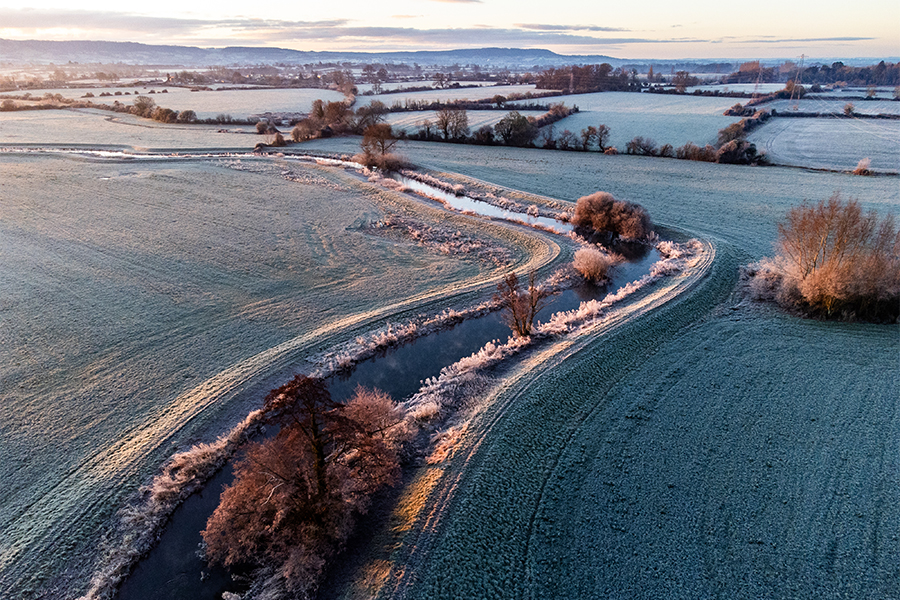
Rivers were probably among the first features our ancestors named. And remarkably, many of the names we still use today are echoes of those earliest relationships between people and water.
Some of the oldest river names in Britain pre-date English, even pre-date the Celtic languages we tend to associate with ancient Britain. Indeed, linguists believe some river names stem from the unwritten language known as Proto-Indo-European, that may be four to six thousand years old.
Take the “Avon”. There are several rivers Avon in Britain, and the name doesn’t mean “River Avon” at all, it simply means “river”. The word comes from the ancient Brittonic “abona”. In other words, when we say “River Avon”, we are really saying “River River”.
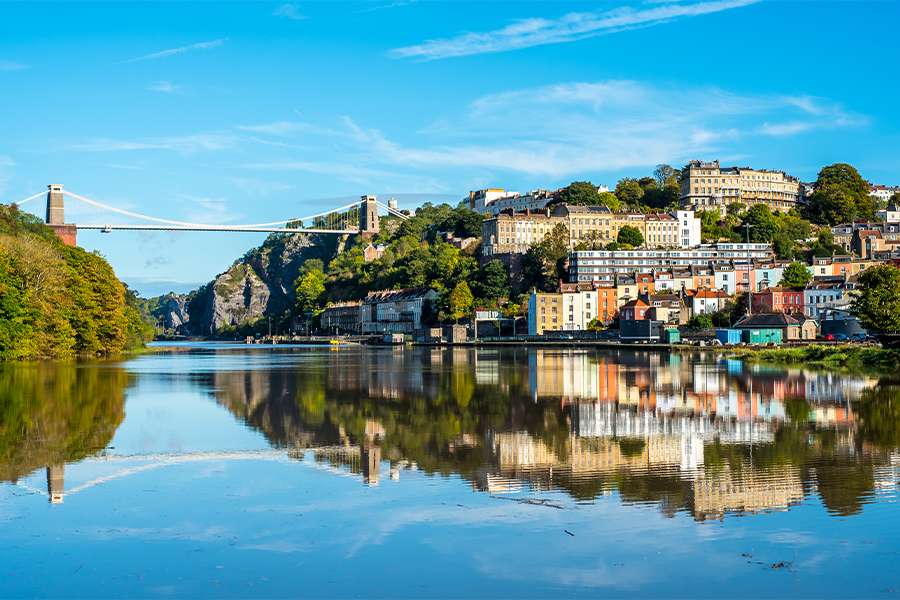
The same is true of rivers like the “Exe”, “Axe”, “Esk”, “Usk”, and “Ouse” all thought to derive from an ancient root meaning water or fast-flowing river, or possibly even fishy water. Such names survived waves of invasion, migration and massive cultural changes.
Living rivers
To ancient people, rivers were not just features of geography, they were alive. Across Britain, rivers were associated with deities, spirits and supernatural forces. The “Severn” is thought to take its name from “Sabrina”, a river goddess recorded in Roman-era texts but almost certainly from even older beliefs. The “Dee” was sacred to the Celts, linked to the word goddess and believed to foretell victory or defeat.
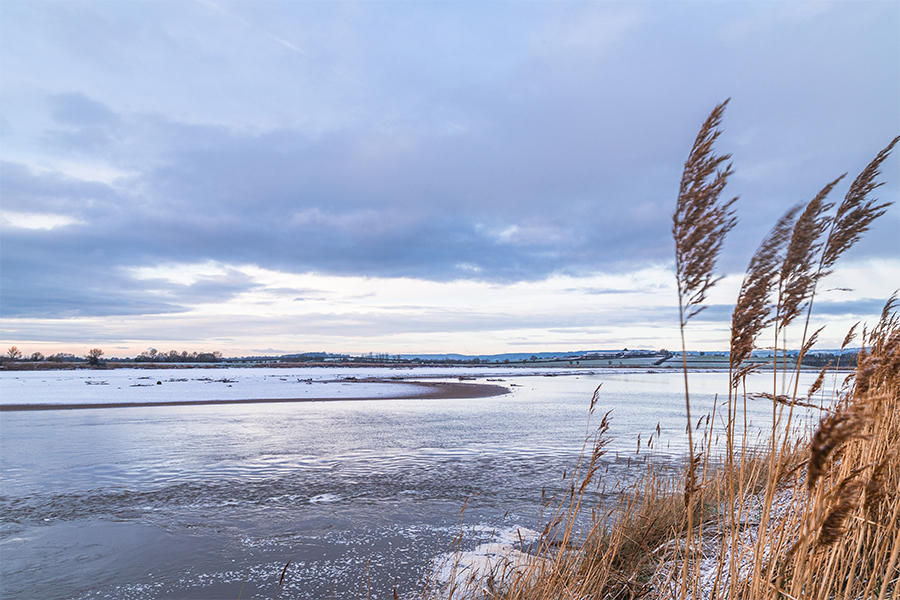
This wasn’t superstition for its own sake. Rivers flooded unpredictably, sustained crops and livestock, provided fish and transport, and could kill the unwary. Treating rivers as sentient, powerful, even god-like beings was a way of recognising their importance, and perhaps of reminding people to show respect.
As societies became more settled, rivers took on political and economic importance. They became highways for trade and lines of control. The “Thames”, whose name likely means “dark”, was the spine along which London grew. Control of rivers and river crossings meant control of commerce. Meanwhile rivers such as the “Tweed” and “Wye” marked boundaries, not because they were convenient lines on a map, but because water has always been a real, physical divider.
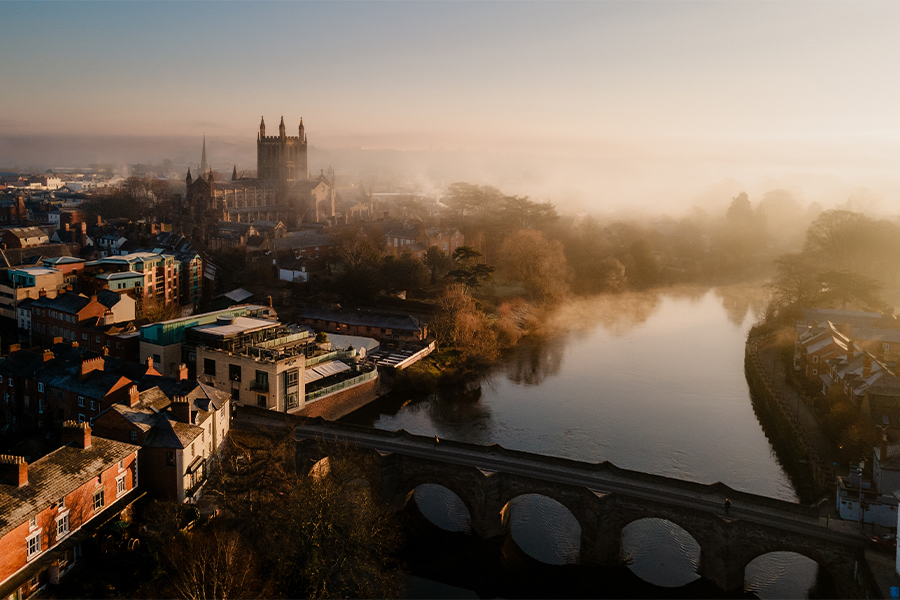
Many battles were fought at fords. Many towns grew where rivers narrowed or slowed. The names of rivers, preserved through centuries, chart the slow emergence of Britain’s social and political geography.
This is one reason rivers are such powerful teaching tools. They offer a direct, tangible link between language, landscape and history. You can walk beside a river and speak a name that has been spoken, in one form or another, since prehistory.
Why this matters?
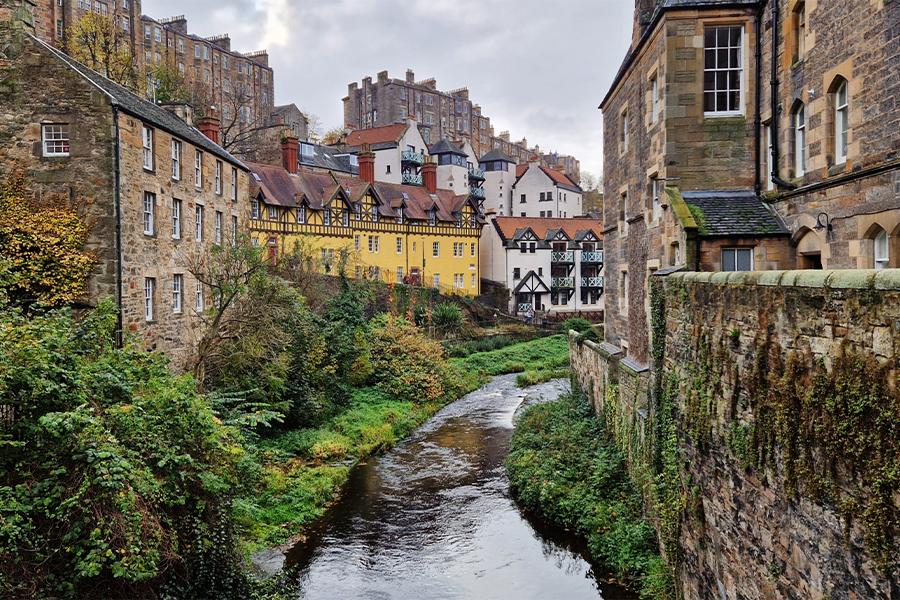
At a time when many of Britain’s rivers are degraded - polluted, straightened, disconnected from their floodplains - it’s worth remembering how deeply embedded they are in our culture. These are not anonymous channels of water. They are named, revered places, full of history and stories.
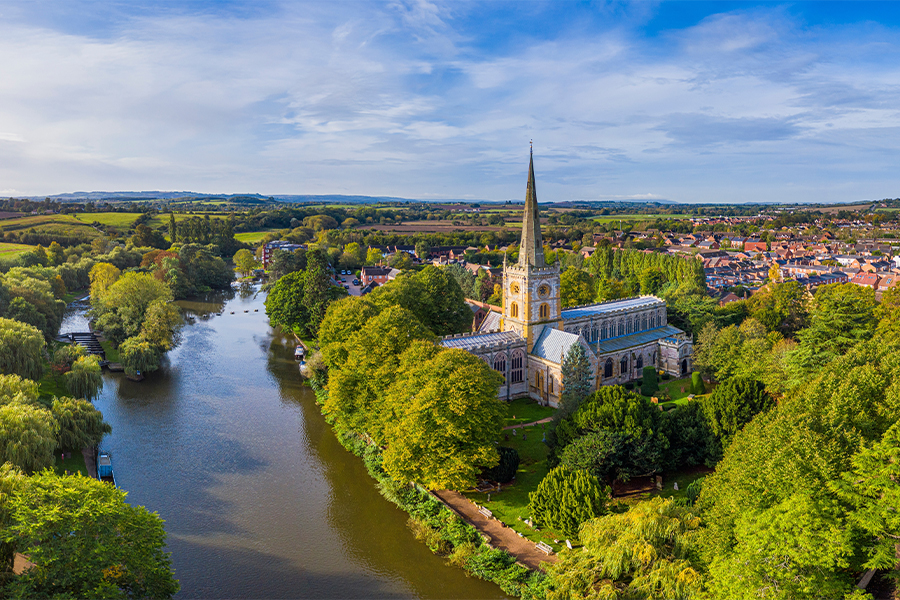
For WWT, the wetlands charity, this history matters. Protecting rivers and wetlands isn’t just about biodiversity or water management - vital as these are. It’s also about safeguarding our cultural inheritance. Britain’s rivers have carried people, goods, languages and ideas. They have shaped where we live, and how we speak - with their names being amongst the oldest words we use.
When we restore a river, we are reconnecting it not just to the landscape, but to our own past.
Celebrate World Wetlands Day
For World Wetlands Day this year, we’re exploring culture, heritage, and traditional knowledge in wetlands.
On 2 February, the world comes together to celebrate wetlands and we’d love you to be a part of it.
Discover more