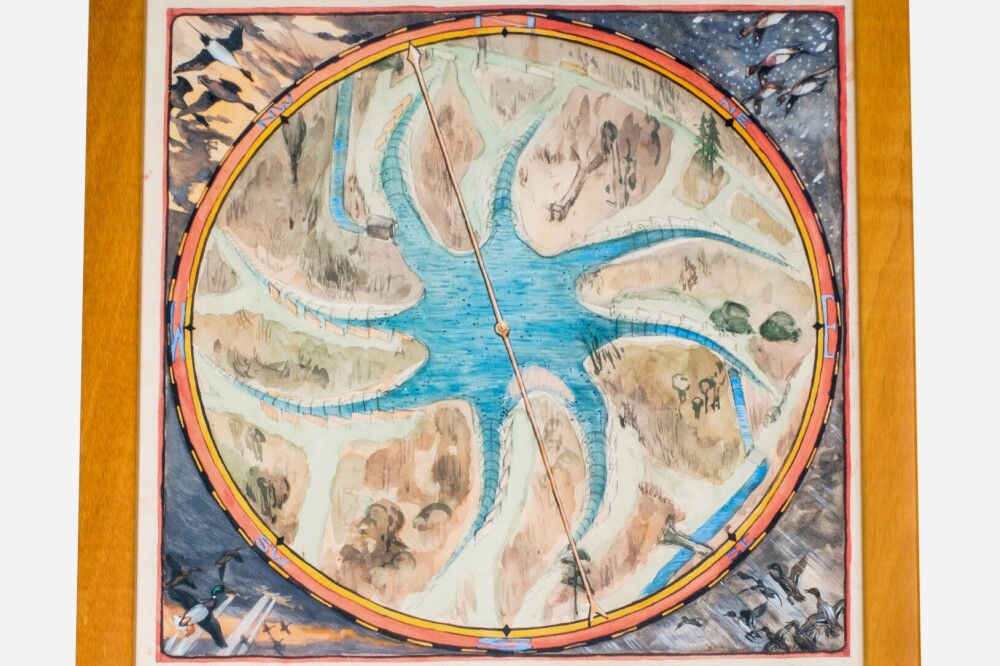
In the dining room at Scott House hangs this lovely watercolour painting by Peter Scott. It is a map of a duck decoy at Borough Fen near Peterborough. In February 1932, Peter Scott was in the first year of his studies at the Royal Academy of Art. His two passions were painting, in which he hoped to make a career, and wildfowling, to which he devoted all his leisure time. Wanting to start a small collection of waterfowl he thought that the only way he could acquire birds would be to nurse back to health any that he shot but didn’t kill outright. While pondering the difficulties this plan entailed, he visited the decoy at Borough Fen and his whole world changed forever. Here was a way of capturing ducks unharmed.
Immediately entranced, Scott volunteered to assist at the decoy and was soon well versed in the skills and techniques used to catch ducks in the nets. Now he could inspect wild ducks closely before they were killed and sent to market. After a while, he asked permission build a small pen and keep a few ducks of different species to observe them more closely. At last he had his first bird collection! Next, he sought approval to build a small observation hut to watch the ducks on the pool while remaining hidden. Permission granted, he built the first ever bird hide; it’s there, on the painting in the dining room.
Fascinated by what he saw, he borrowed his mother’s cine camera and filmed the birds. Then, wishing to share his experiences with others, he gave an illustrated talk to the Spalding Gentlemen’s Society, the first of thousands of talks, lectures and broadcasts he would make in his lifetime. Returning frequently to the decoy he began to produce painting after painting of geese and ducks in flight with vast landscapes and brilliant skies. The following summer he had his first one-man exhibition in London and not long afterwards wrote his first book about wildfowl. Suddenly in this brief period he had started collecting birds, observing and filming them, talking about them and painting and writing about them.
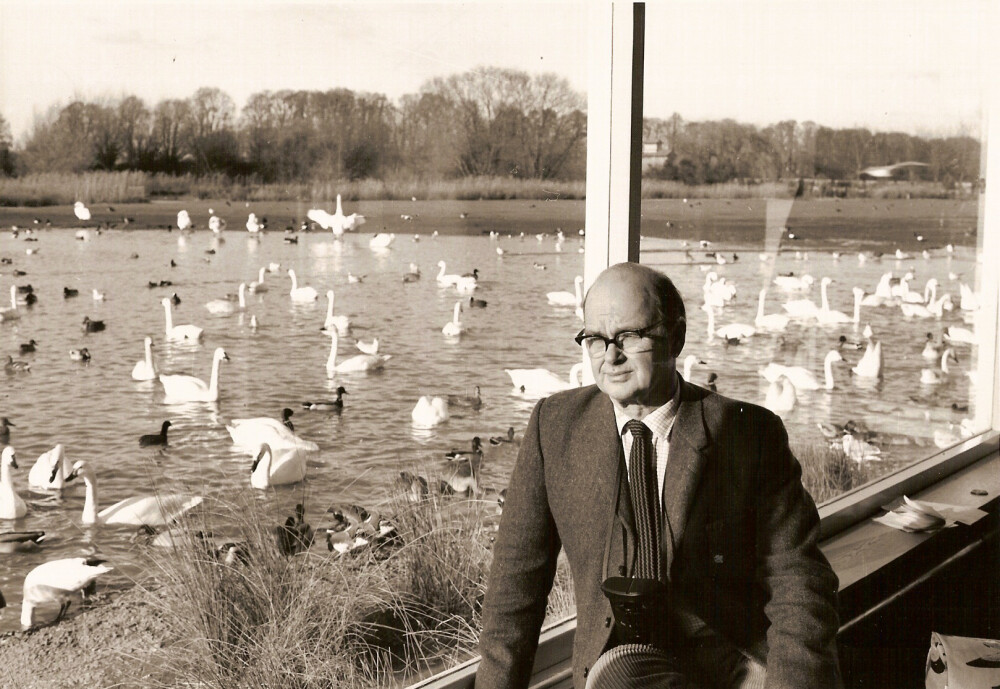
So why does this little painting hang in the dining room? Scott must have remembered Borough Fen with great affection and maybe recognised, as we do, that it was there that the Peter Scott we all remember came into view.

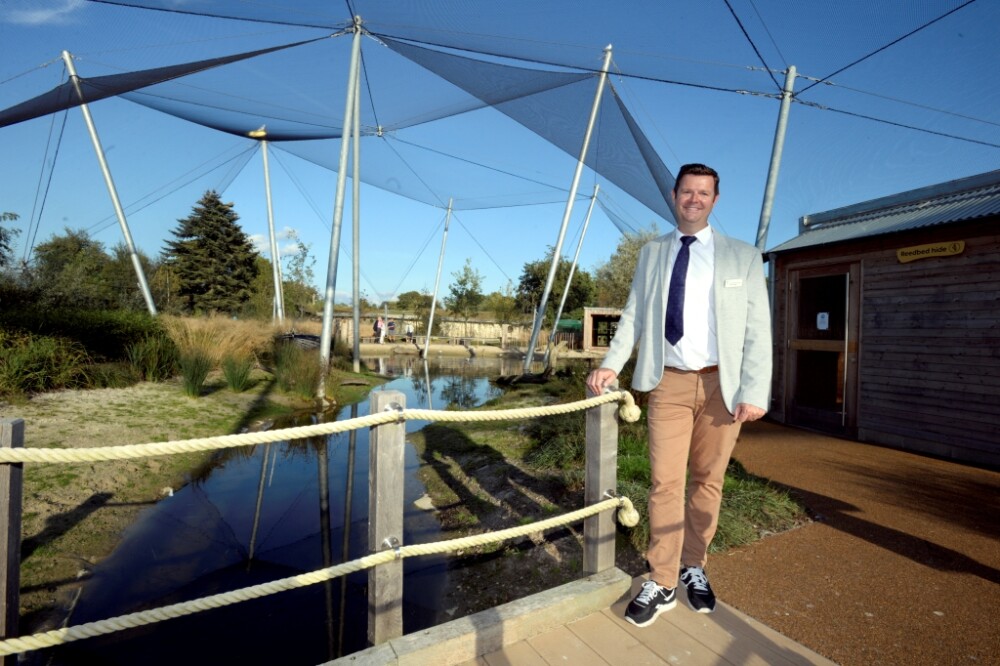
The duck decoy at WWT Slimbridge was originally built in 1843 to supply birds for food to the Berkeley Estate. When Sir Peter Scott arrived he began repairs, and he used the duck decoy for around 30 years for conservation purposes. We use the duck decoy today to catch birds and give them a quick health check and to add identification leg rings so that we can monitor and study them. Do you want to see our duck decoy in action? Free demonstrations will take place every Saturday from the 7th of November. Learn more here.
Thank you to Chris Moore, author of "Peter Scott and the Birth of Modern Conservation", for his insight.