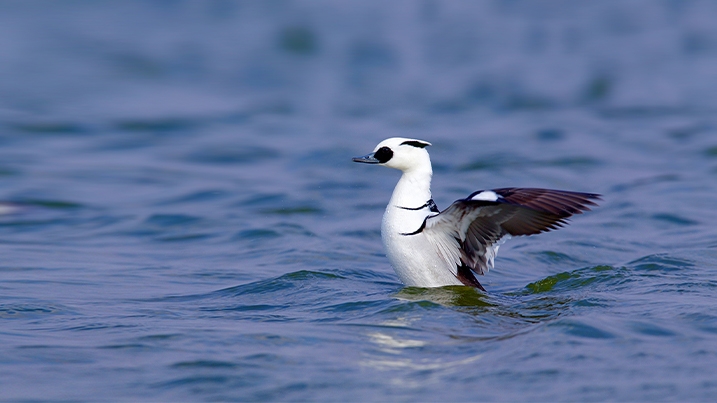
This month’s Bird of the Month is a small but mighty little diving duck. The smew!
Where are smew found in the wild?
You can find smew on lakes and coastal wetlands throughout Scandinavia, Russia, central Europe, the Middle East, and East Asia.
What features do smew have?
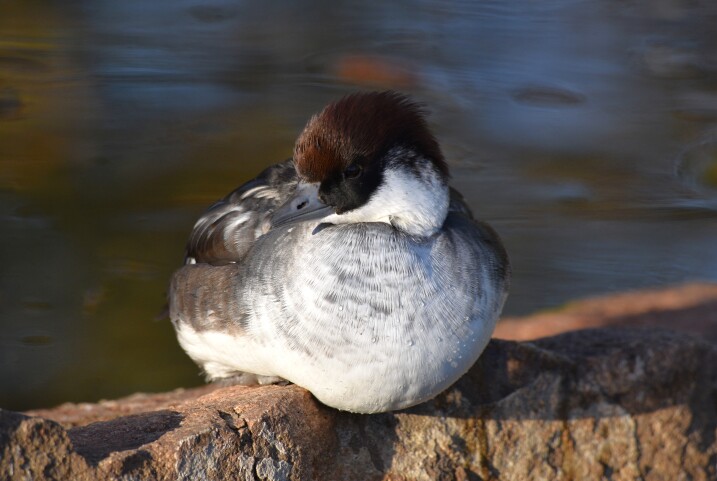
Smew are the smallest members of the 'sawbills', a group named for the fine serrations along the edges of their beaks, which help them grip slippery prey.
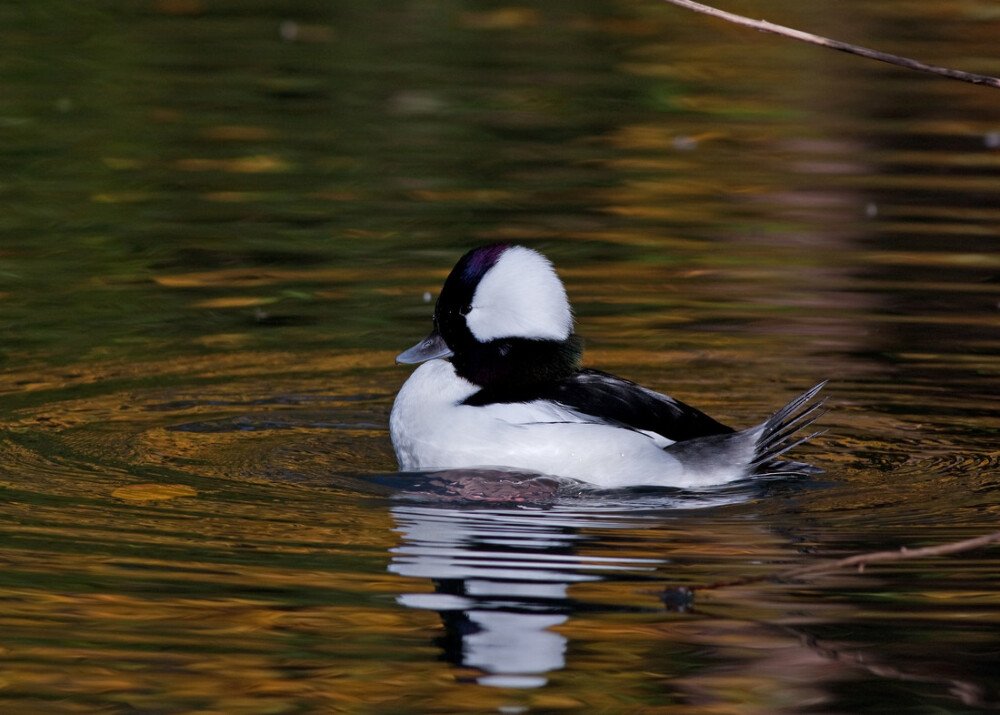
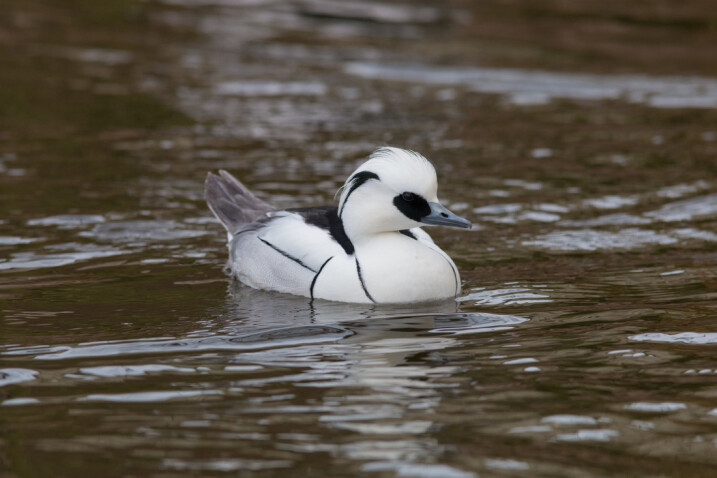
Females are often described as more colourful, with warm orange-brown heads and pale bodies. Males, however, are especially eye-catching, with crisp black-and-white plumage and a soft, rounded white crest that gives them a distinctive appearance.
What do smew eat?
Smew are skilled divers, feeding mainly on small fish and aquatic invertebrates. Their diet may change with seasons, leaning more towards invertebrates in the summer and shifting to fish in the winter.
What do smew ducklings look like?
Even as ducklings, smew are quite recognisable. They typically have white underparts and lower faces, contrasted with darker brown colouring across the top of the head and back. Their head shape already hints at the adults’ characteristic profile.
Are they under threat in the wild?
Smew are currently classified as Least Concern. However, they still face challenges such as habitat loss, pollution (including oil spills), and hunting pressure along migration routes.
Where can I see smew at Martin Mere?
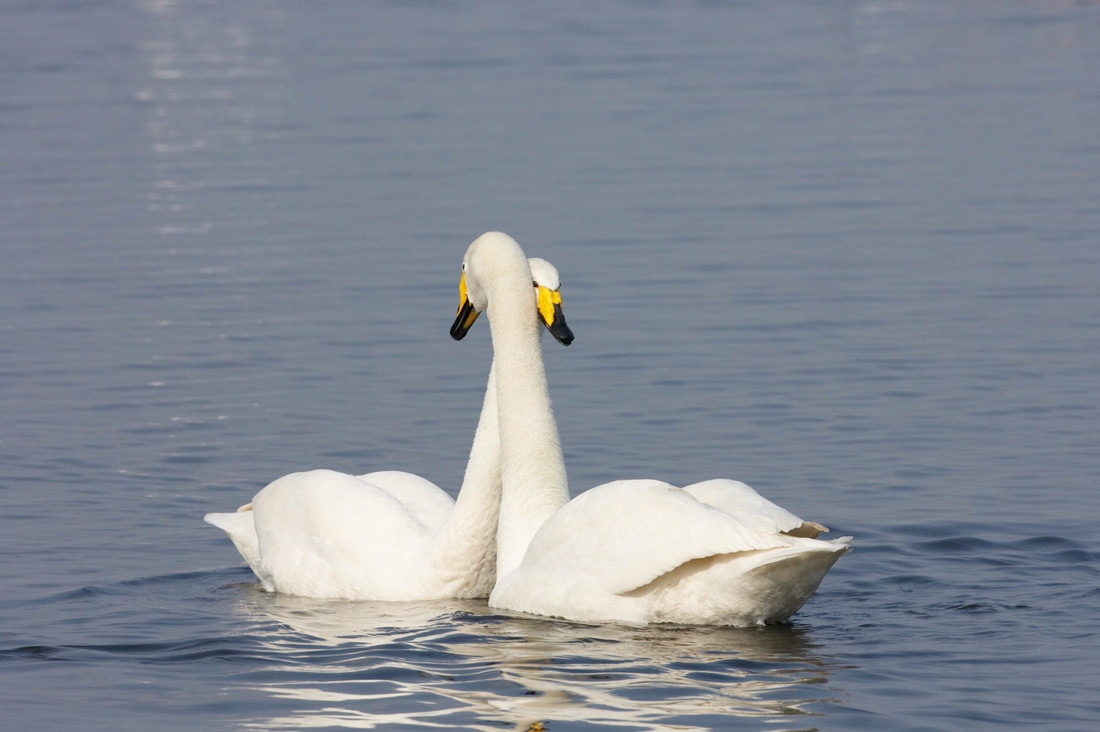
The smew have recently been moved to share their habitat with our Bewick’s swans. They can often be seen close up having a swim or cheekily waiting for some seed.
Inspired to visit?
WWT members enjoy unlimited visits all year round. Or, non-members can save 10% when they book online in advance.