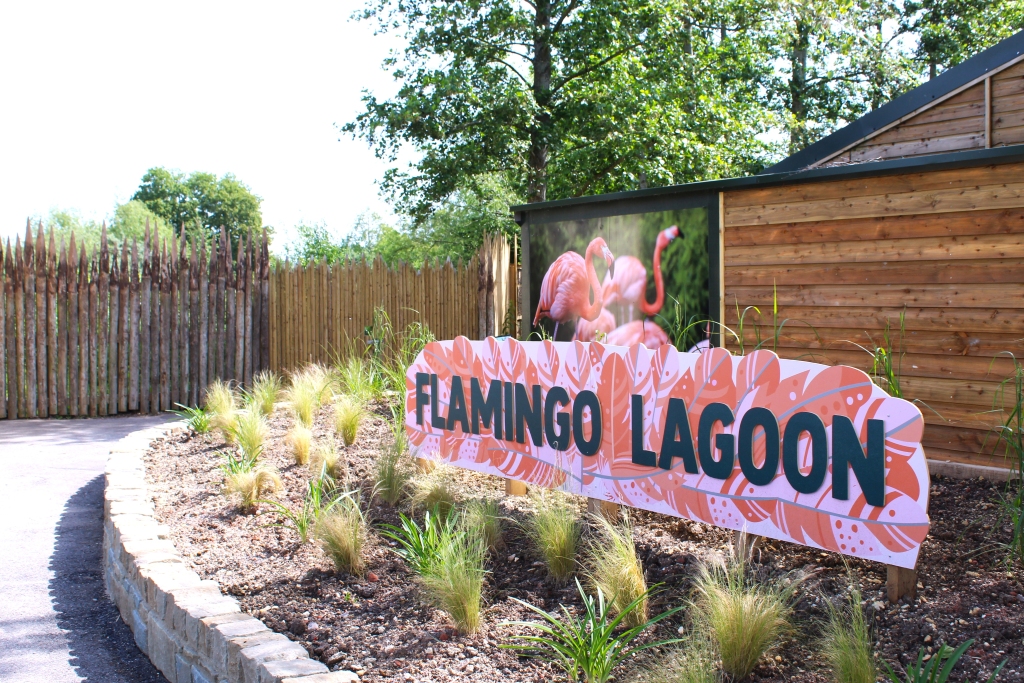
WWT Slimbridge's Flamingo Lagoon Reopens for Summer
Visitors can now delight in the spectacle of large flamingo groups once more. Flamingos are a well-loved visitor favourite and have been resident at WWT Slimbridge, Gloucestershire for over 60 years.
Home to Caribbean and Chilean flamingos
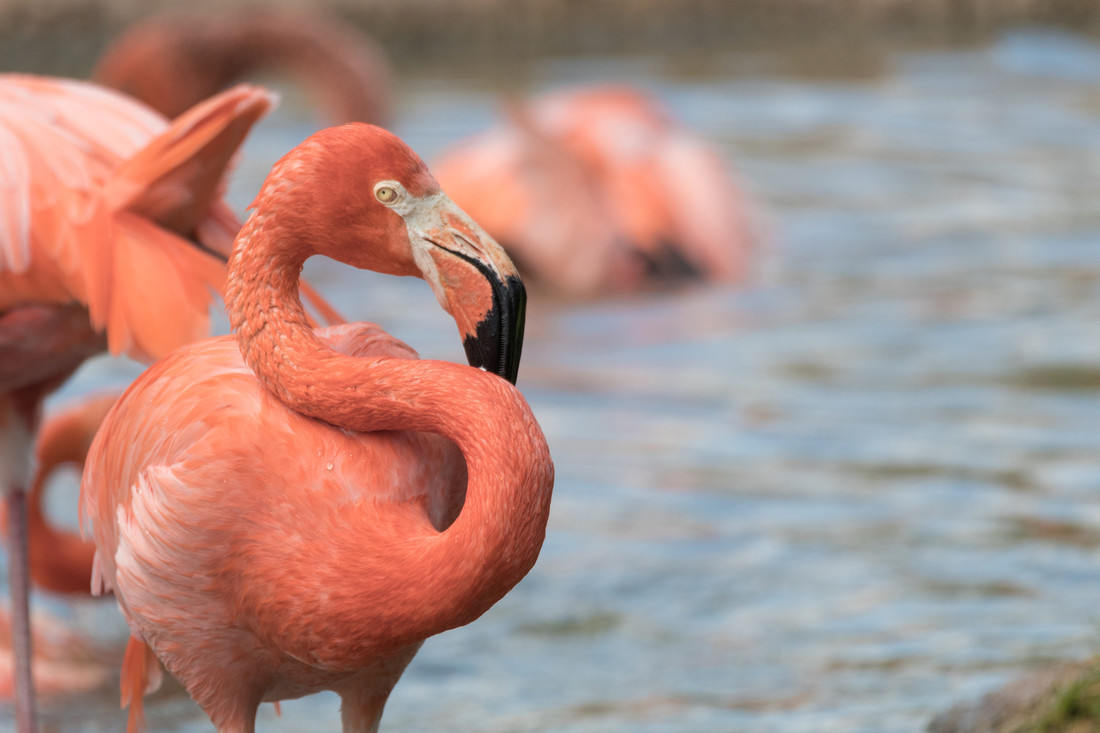
Two of Slimbridge’s five species of flamingo — Caribbean and Chilean — can be found at Flamingo Lagoon. Caribbean flamingos have bright coral plumage and unmistakable honking calls, and smaller Chilean flamingos, viewable from the hide, have a paler plumage.
The Chilean flamingos were the first flamingo species to be brought to Slimbridge, Gloucestershire by WWT founder, Sir Peter Scott in 1961. Find out more about Sir Peter Scott on one of our Scott House Museum tours.
Interactive Experiences for Visitors
Visit the Lucky Shrimp Café
At the heart of the revamped Flamingo Lagoon is the fine dining ‘Lucky Shrimp Cafe’ showcasing menus of delicious flamingo food including Algae broth, Crunch ‘n’ Gulp soup and Summer special shrimpy soup.
Luckily for visitors, this food is not for sale and picnickers will be able to learn fascinating flamingo facts whilst enjoying a packed lunch or drop by the Kingfisher Kitchen for some delicious human food.
Flamingo-inspired challenges and fun flamingo facts
Visitors of all ages will be able to practice standing on one leg flamingo-style or see how their height measures up in comparison to nearby Caribbean or Chilean flamingos.
They can learn about how flamingos sleep standing on one leg, stomp water to make a mini, shrimp-catching whirlpool and how their food can make their feathers pink.
Inspiring future conservationists
“We hope that our young visitors will establish an emotional connection to these wetland ambassadors—inspiring new generations to appreciate and learn about conservation of these charismatic birds.
Flamingos have been at Slimbridge for over 60 years and are deeply loved by visitors and staff alike. They are intelligent birds who form lifelong bonds and are endlessly captivating to watch and learn from.”
Phoebe Vaughan, Deputy Living Collections Manager – Aviculture.
Improved habitats for flamingos
In addition to the cosmetic changes to Flamingo Lagoon, each habitat underwent an annual improvement of more than 29 tonnes of new silica sand which provides a softer and more comfortable surface for the birds. To make way for this around 10 tonnes of soiled sand was removed; an epic undertaking.
Three other flamingo species, the greater, lesser and Andean flamingos can be viewed by visitors in other areas of the wetland centre.
Ready to meet the Slimbridge flamingos?
Stop by Slimbridge Flamingo Lagoon and discover all five species on your next visit.
Plan your visit