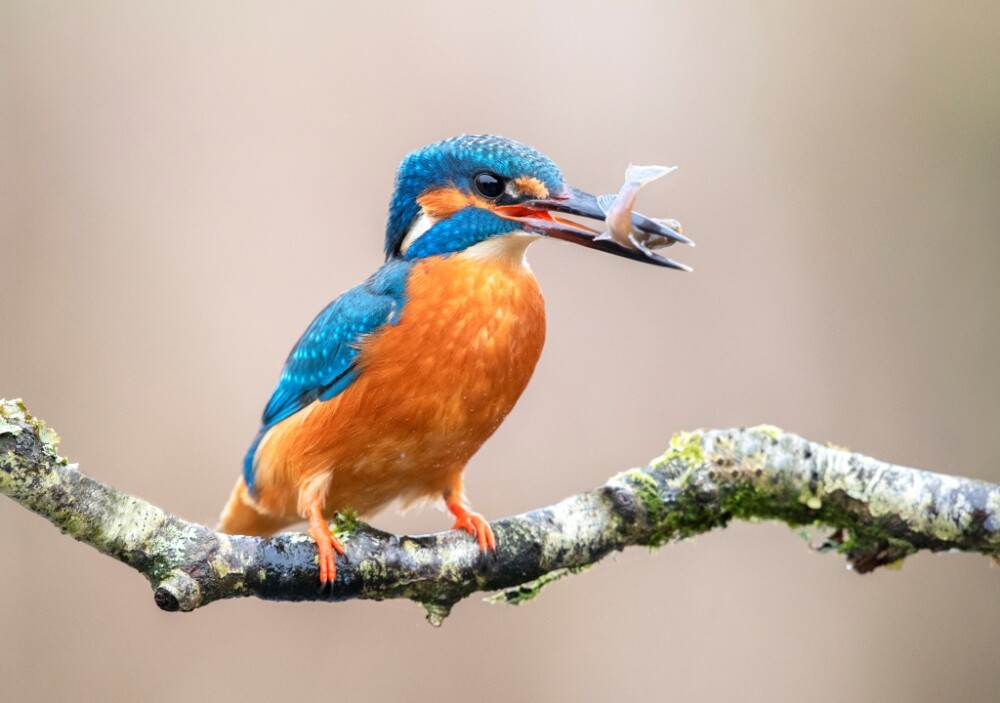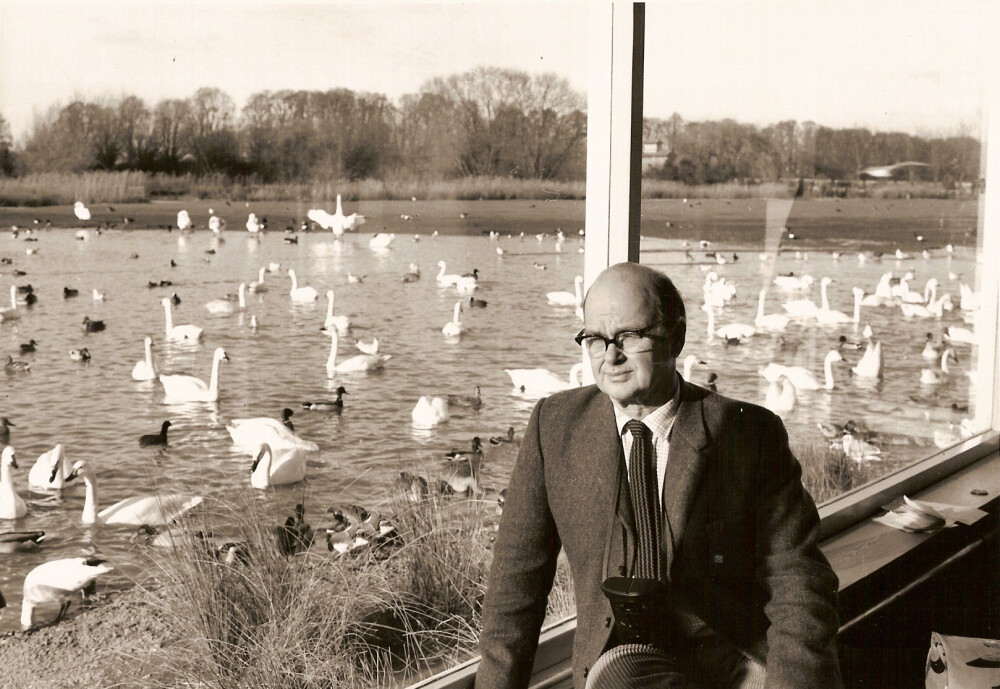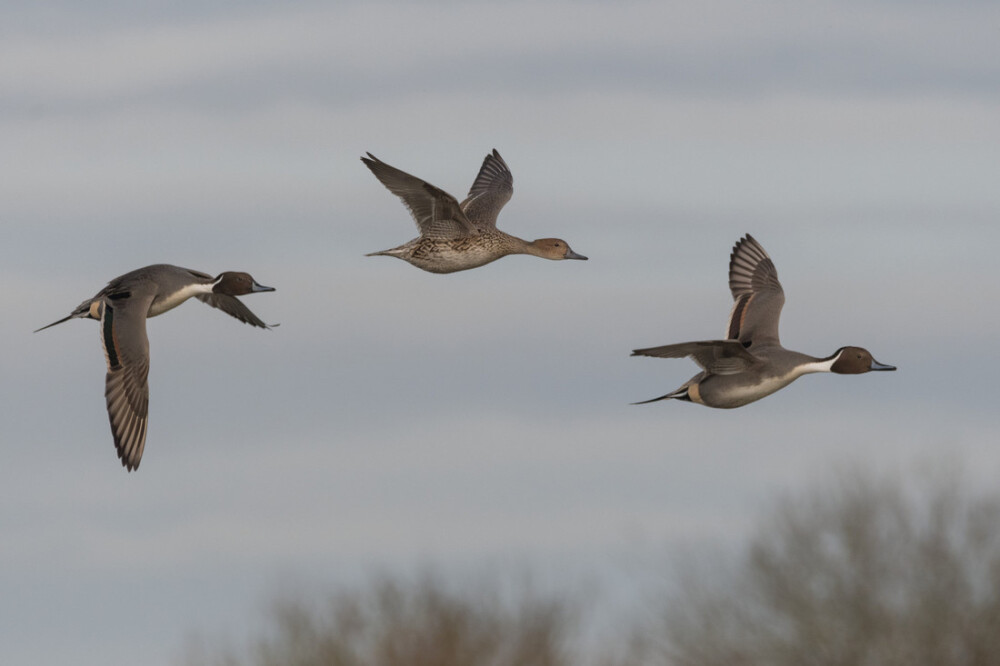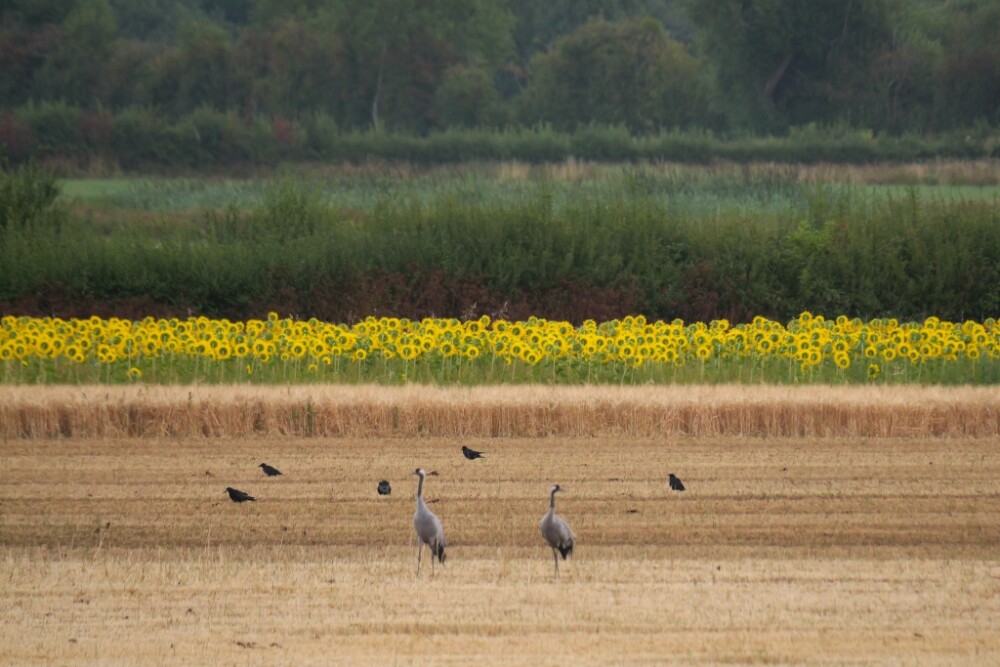
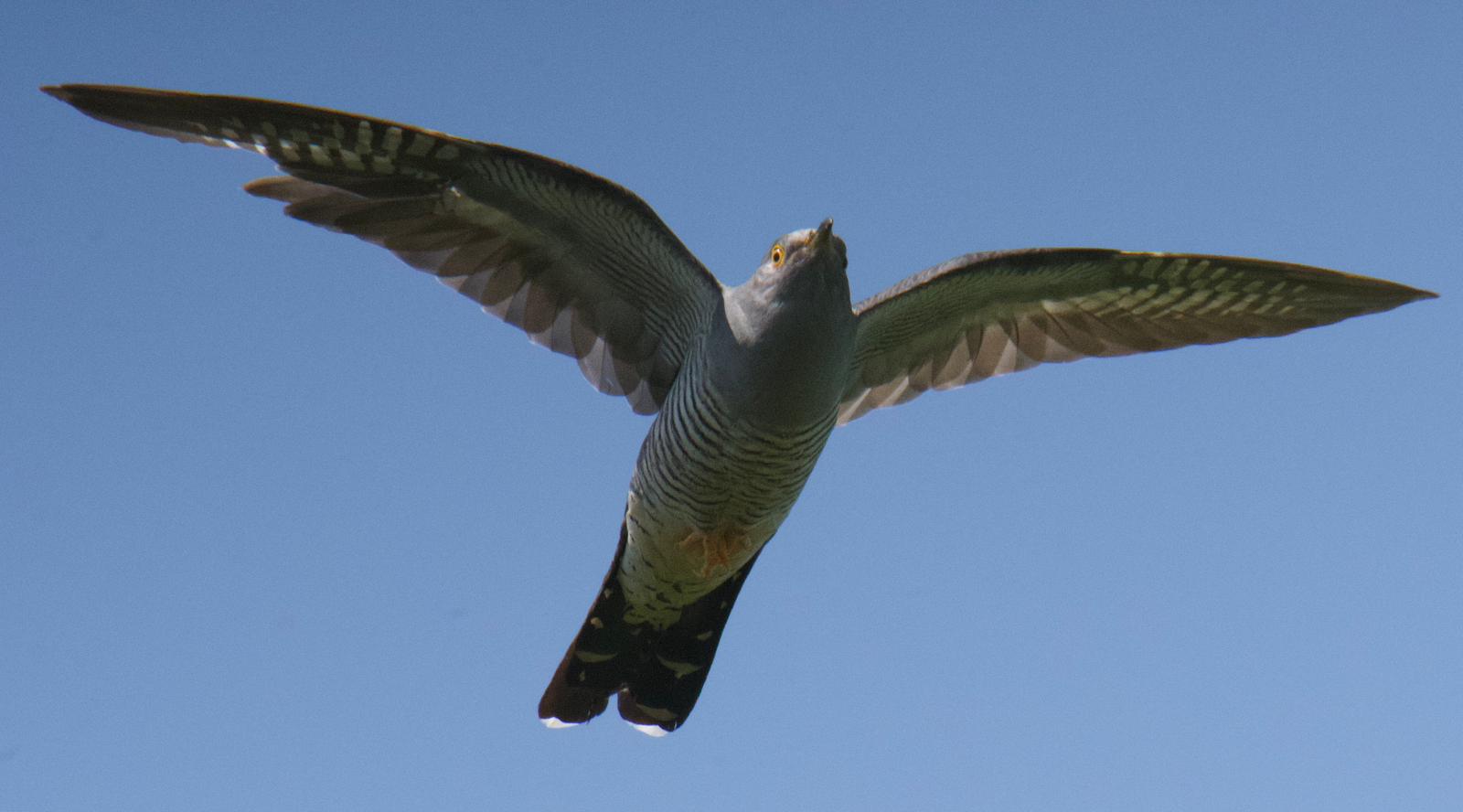
Each month, we'll be taking a deep dive into the world of one of the birds you might find at WWT Slimbridge — either in our Living Collection, or on the Reserve. Cover image by Oliver P.
This month we're focusing on a bird perhaps more recognisable from its call than its appearance... the cunning cuckoo. Cuckoos are drawn to the WWT Slimbridge Reserve around the end of April each year by our healthy numbers of potential host passerines. Rest assured that their presence doesn't diminish the passerine population!
Cuckoos were once a common sight (or sound) in the UK, but numbers have dropped by around 65% since the 1980s. This is due to droughts in southeast Europe making it increasingly difficult for them to survive the long desert journey from central Africa. Since 2021 they have been classified as a Red List species, signalling the highest conservation priority.
Read on to learn about these fascinating birds and the brood parasitism that they're famed for.
Quick fire facts:
- Only the males make the iconic two-syllable call, which they use to advertise their presence during the breeding season. The females make a bubbling 'kwik-kwik-kwik' call, which may have evolved to mimic a sparrowhawk and scare host parents from their nests.
- Thanks to their long tail, pointed wings, and barred underside plumage they can easily be mistaken for kestrels or sparrowhawks.
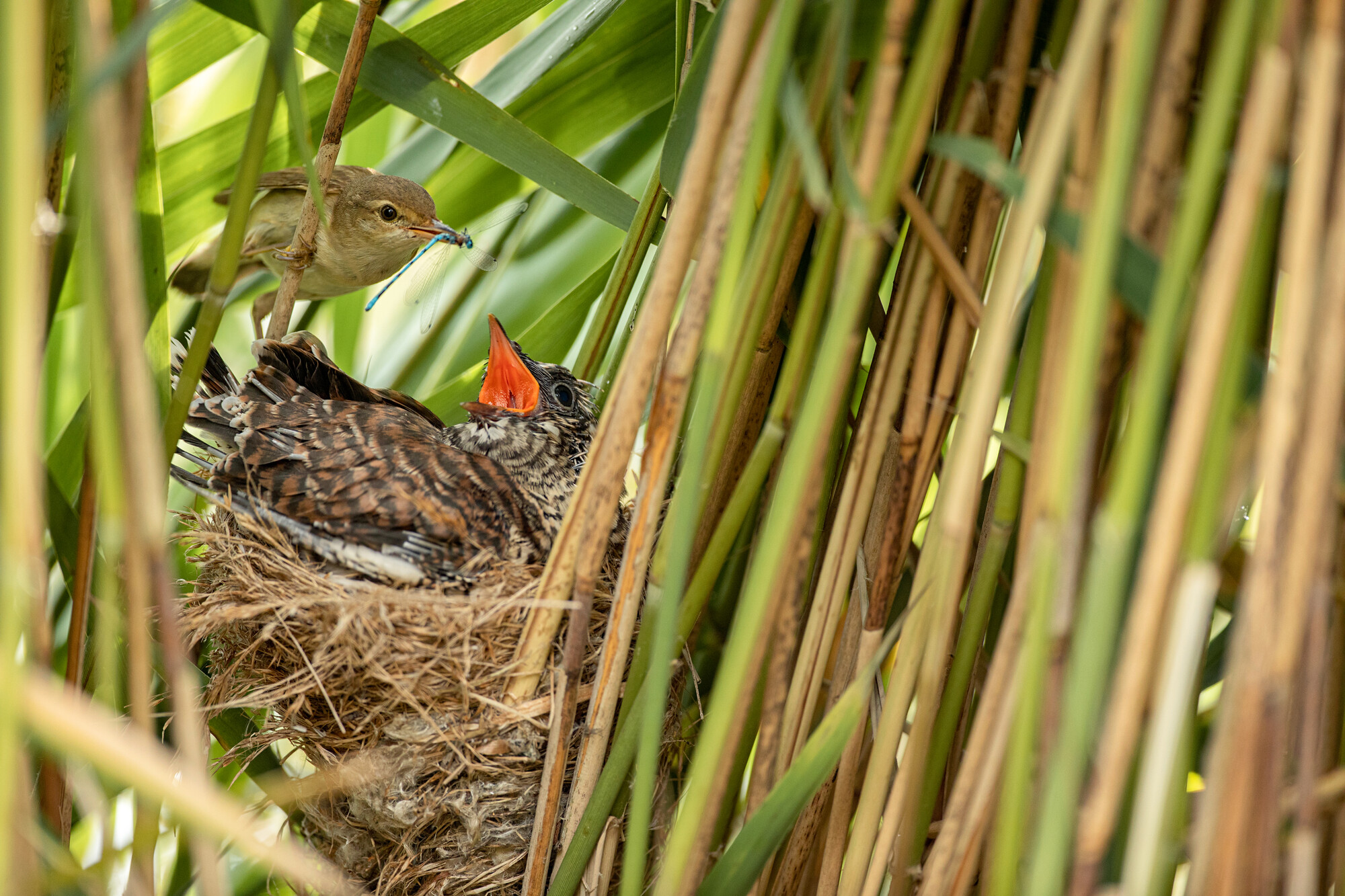
- Favourite host targets in the UK are dunnocks, meadow pipits, pied wagtails and reed warblers. There are several different specialist types of female cuckoo, and they are each genetically coded to produce eggs that match those of a specific target host. This clever mimicry reduces the chances of the host rejecting the egg.
- The females know which nests to target thanks to the process of imprinting.
- Not only are these birds wily — they're speedy too. In the space of just 10 seconds, the cuckoo drops in, removes an egg from the nest, replaces it with her own egg, and flies off again.
- Once the chicks hatch in the host nest after just 12 days, their first instinct is to evict the other eggs in the nest, ensuring that they face no feeding competition.
- The cuckoo chicks' cries sound just like an entire clutch of hungry baby birds. This clever adaptation appeals to the caretaking nature of the foster parents, and ensures they bring enough food to satiate the cuckoo's enormous appetite.
- Cuckoo chicks grow much larger than their foster parents, but still continue to be fed by them for two weeks after fledging.
- Over a season, the female Cuckoo will lay between 12 and 22 eggs in different nests. With no brood of their own to look after, adult cuckoos are free to leave the UK much earlier and return to Africa for the winter.
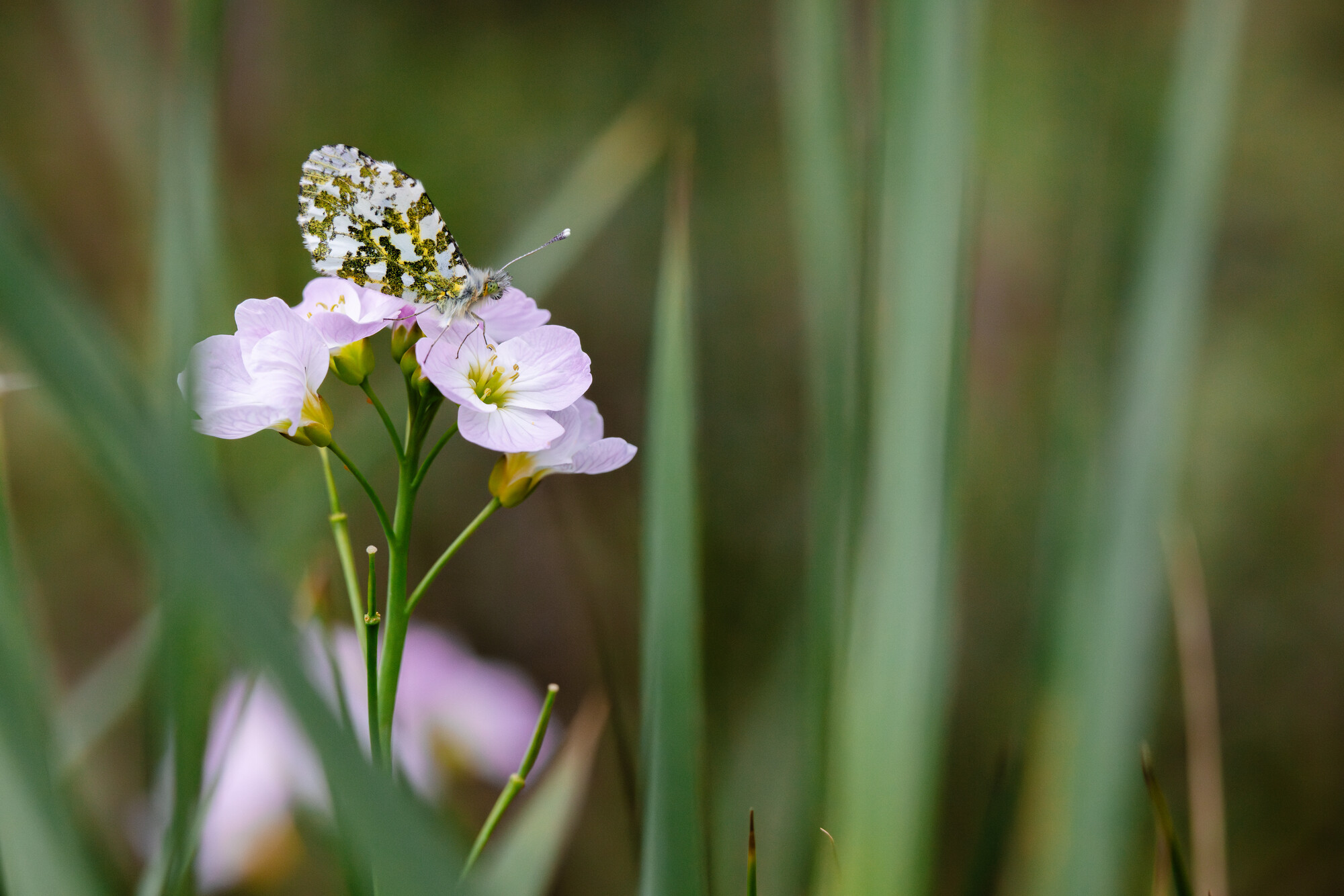
- Bonus fact: cuckoo flower is so named because it flowers from April to June, perfectly coinciding with the first sound of the cuckoo. This pretty lilac-flowering plant, also known as lady's smock, favours damp, grassy places like wet meadows, ditches and riverbanks.
Keep an eye on our sightings blog or head to Bluesky to find out where the cuckoos have last been seen or heard.
Check back next month for another feathered feature!
Is there a specific bird on site that you'd like to learn more about? Nominate them as our next 'bird of the month' by sending us a message on social media.