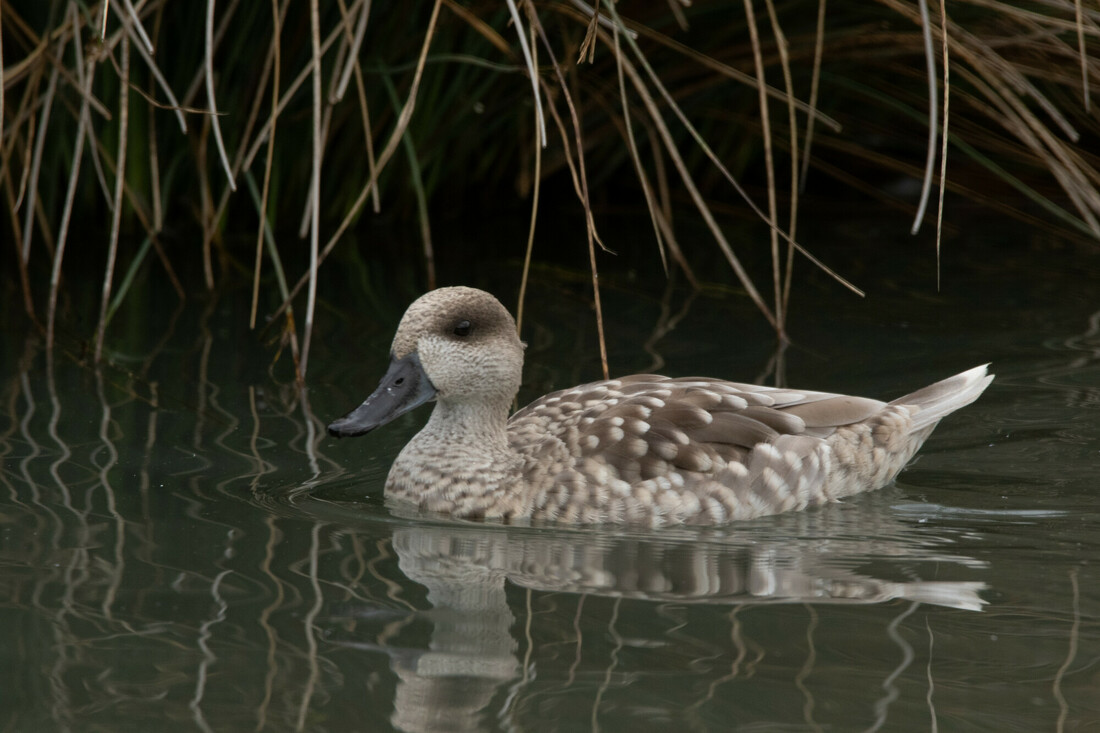
This month we're shining a spotlight on one of the more subtle members of our collection, the marbled teal (Marmaronetta angustirostris).
At first glance, the marbled teal may not have the bright colours of a mandarin duck or the striking patterns of a red-crested pochard, but look a little closer and you'll discover a bird perfectly adapted to life on the wetlands.
Where can you find marbled teal?
In the wild, marbled teal are native to wetlands across southern Europe, North Africa, the Middle East and parts of Central Asia. They prefer shallow freshwater where they can feed.
Marbled teal are nomadic and unpredictable, following rainfall and floods to find temporary wetlands before moving on again.
What do marbled teal eat?
Marbled teal are dabbling ducks and eat a diet of aquatic plants, insects, small crustaceans and other tiny invertebrates. They use their specially adapted bills to sift through mud and vegetation.
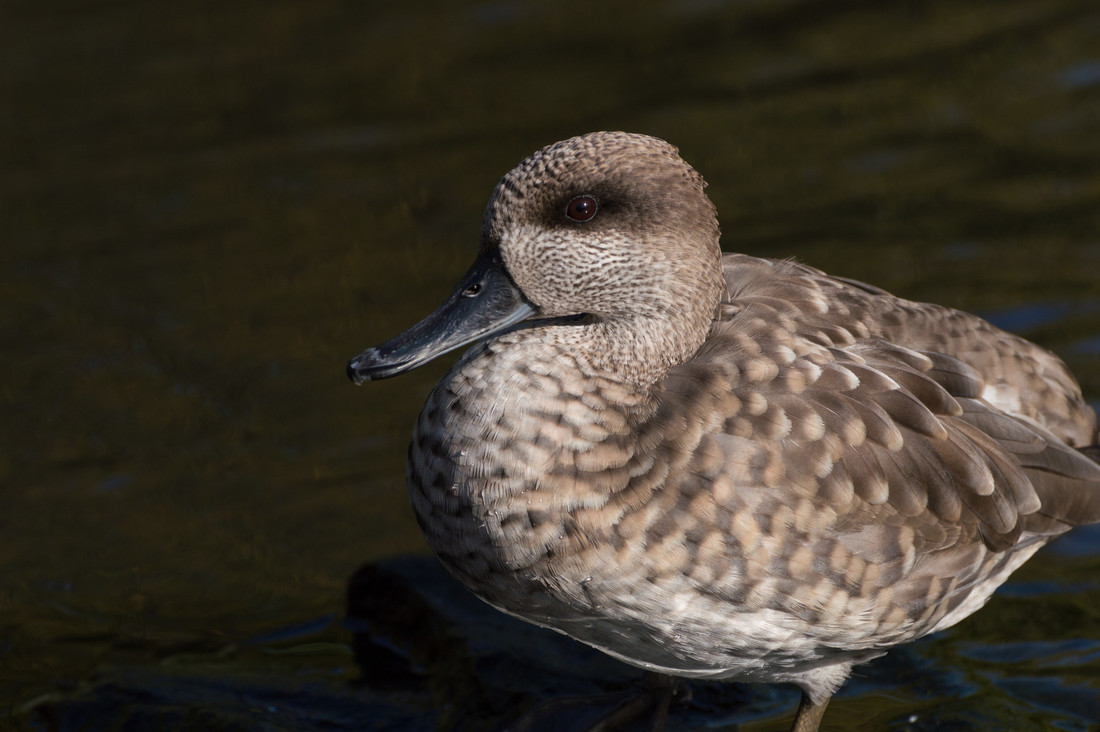
Why are they called marbled teal?
Marbled teal have beautifully mottled feathers in shades of sandy brown, cream and grey. This creates a marbled appearance across their body, helping them to blend into their habitat of wetland vegetation. If you take a closer look, their patterns appear as if they are blurred.
Can you tell marbled teal apart?
Unlike many duck species, the male and female marbled teal look very similar. So, it can be tricky to tell them apart. Males are only slightly larger, have a slightly longer crest on the back of the head, and show a marginally darker eye patch.
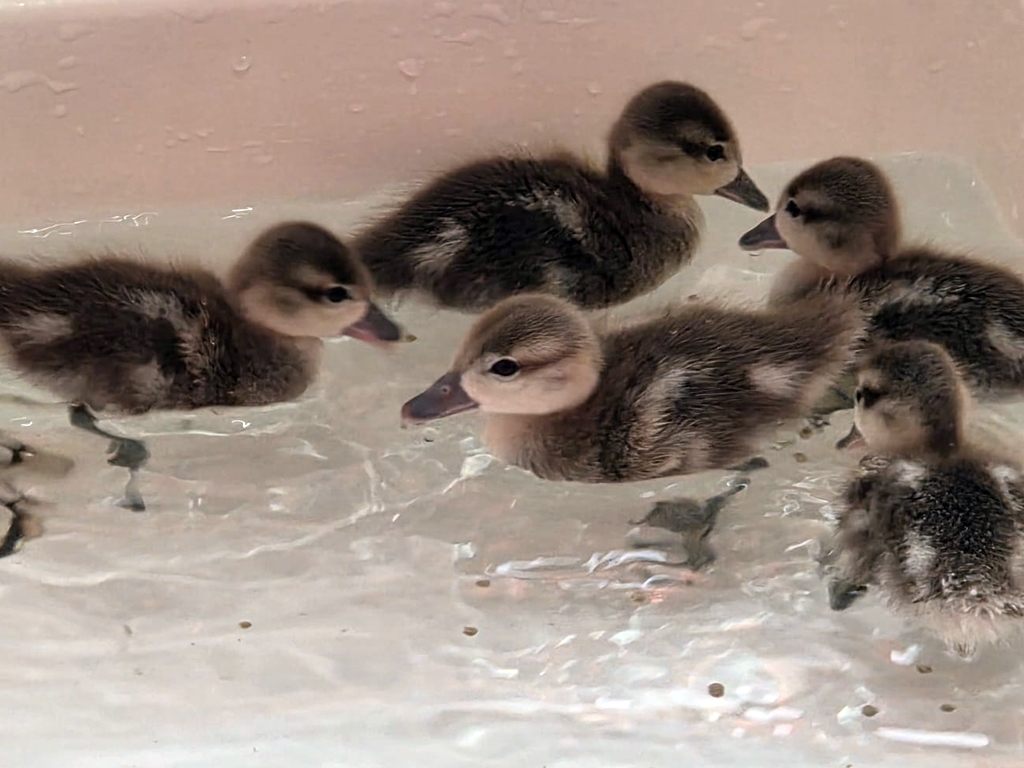
Is the marbled teal under threat?
Unfortunately, marbled teal are one of the world’s most threatened duck species and classified as Vulnerable by the International Union for Conservation of Nature (IUCN).
Loss of wetlands is one of the reasons for their decline in numbers, through water extraction, pollution, conversion to farmland, and prolonged droughts. Healthy wetlands are essential for their survival, making conservation work more important than ever.
Organisations like WWT play an important role in protecting wetland habitats and raising awareness of species such as the marbled teal, helping ensure these remarkable birds have a future.
Where to find marbled teal at WWT Martin Mere
Marbled teal can be found as part of our Living Collection here at WWT Martin Mere. If you walk towards our wooded wetland area, their habitat is between the entrance to Weird or Wonderful and our Royal Bank of Canada garden.