West Lancashire’s WWT Martin Mere wetland centre has seen the successful breeding of bittern chicks for a third time on their reserve, after intensive restoration works in partnership with global shipping and logistics company CMA CGM Group.
The centre’s reserve is made up of 600 acres, over 78 of which is home to reedbed habitat that the bittern relies on.
Part of the heron family, the bittern is a secretive species with light and dark brown plumage belonging to the Amber List on the Birds of Conservation Concern report.
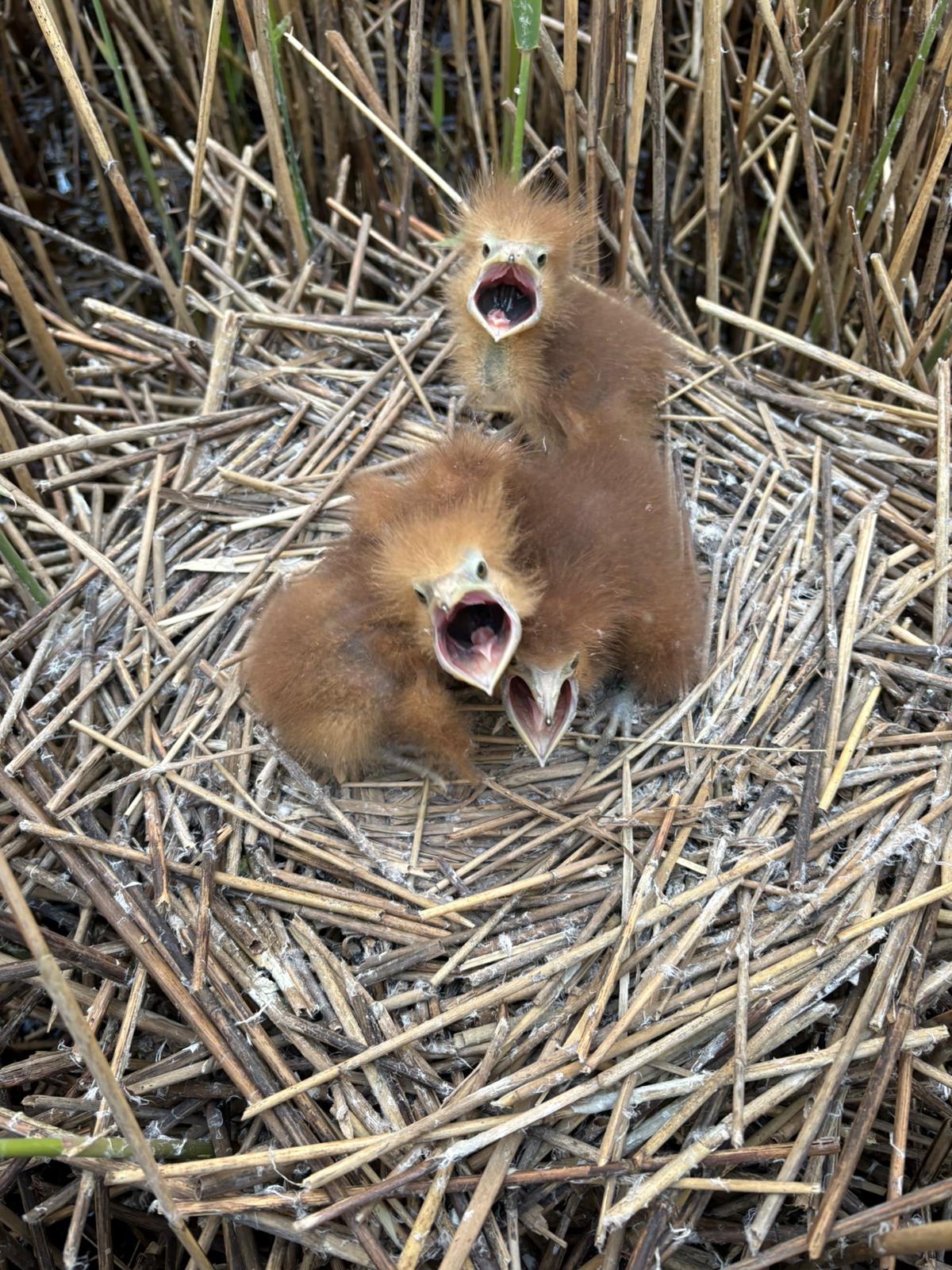
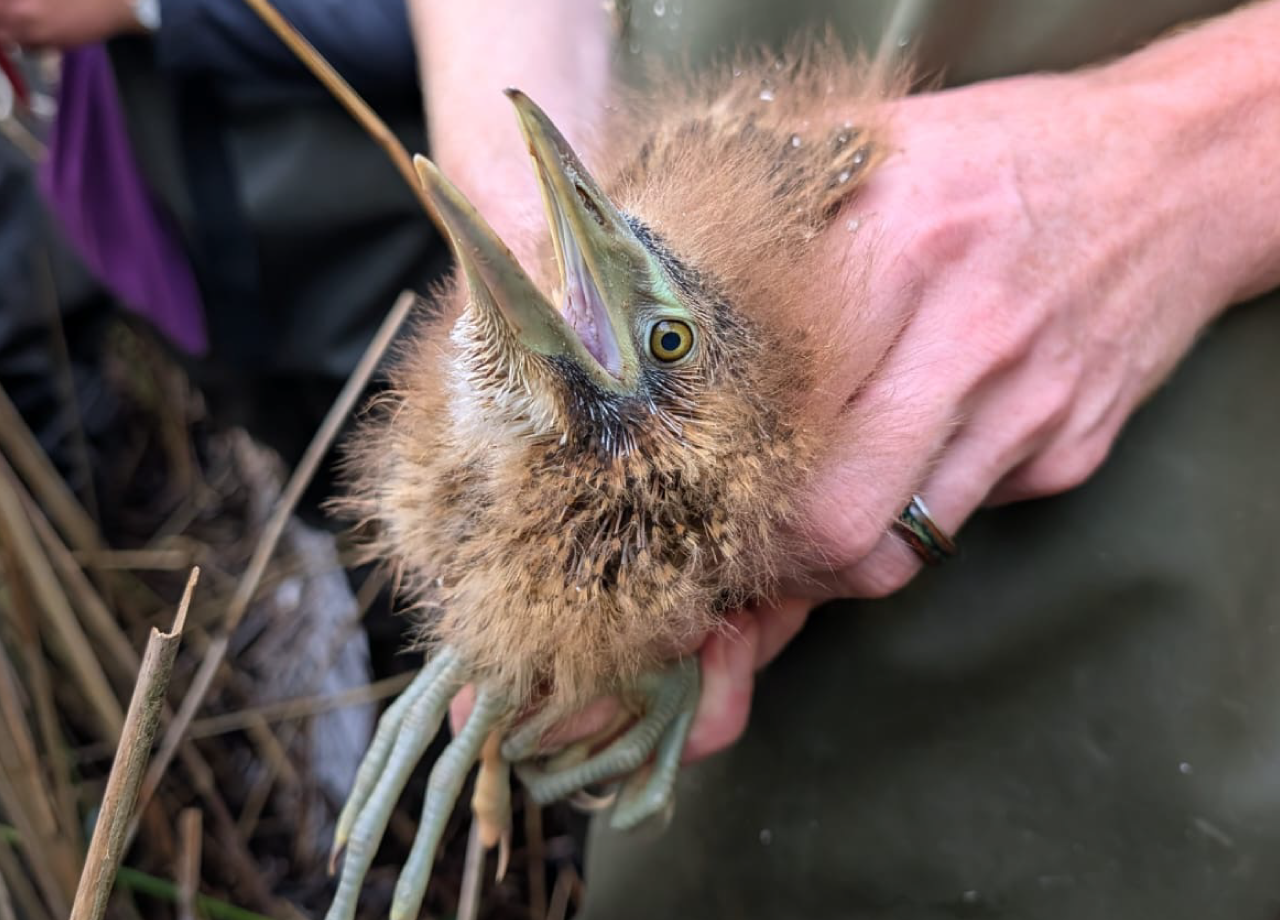
The centre saw breeding bitterns for the first time in recorded history in 2024. In 2025, a single booming male attracted four females, which resulted in at least three chicks fledging. This year, success continued with three booming males heard across the reedbed. Then later on in May, during a nest survey by the reserve wardens, a bittern nest with four chicks was recorded.
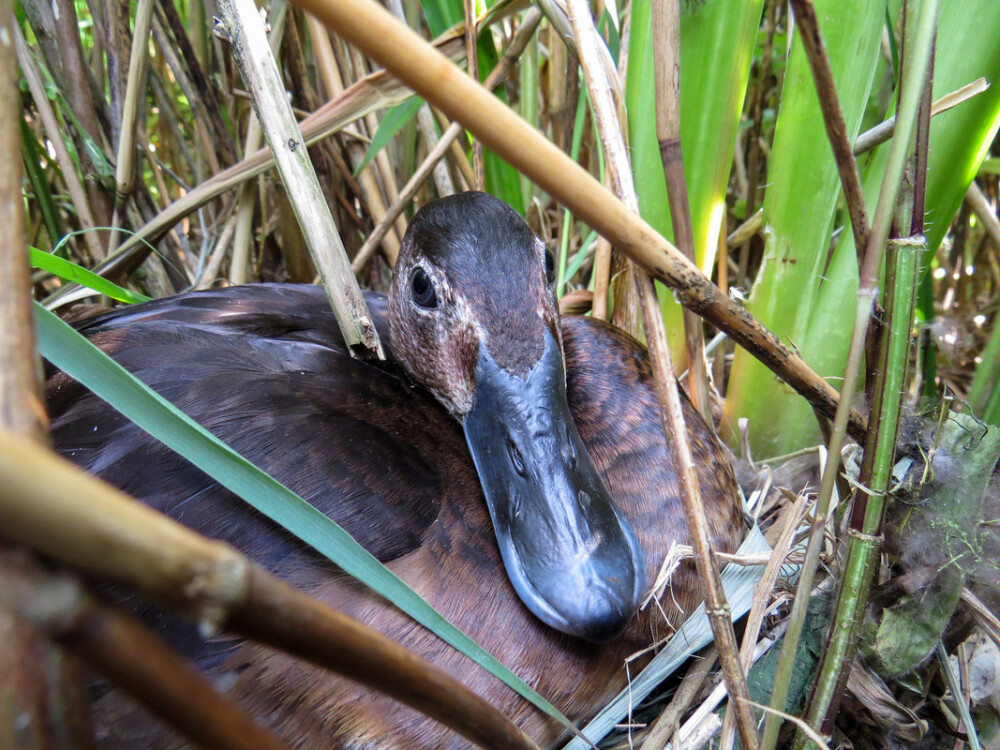
For bitterns to thrive, an ideal habitat of shallow water with thick reed cover is needed. This is why reedbeds are their perfect habitat. Over the winter, the reserve team completed works including clearing scrub so that reeds could grow, cutting large areas of reed to create a mosaic of different aged reeds, and creating the perfect water levels to allow fish to thrive so that the bitterns would have enough supply to feed their young.
Louise Greenwood, Reserve Manager at WW Martin Mere, commented: “We’re extremely excited to have a third year of successfully breeding bittern chicks. The works completed by our staff and volunteers, and in partnership with CMA CGM, has been invaluable to this rare and secretive species, and we are extremely hopeful for many more successful years of bitterns thriving in our reedbed”
Natasha Griffin, Managing Director at CMA CGM UK, said: “At CMA CGM, we believe that businesses have a key role to play in protecting the environment and investing in the communities in which they operate. We are proud to partner with WWT on this important project and to see such fantastic results for a species that depends on healthy wetland habitats. The successful return of breeding bitterns is a wonderful example of how collaboration can help restore biodiversity and create a lasting impact. Through both our funding and employee volunteering we are delighted to support efforts that protect nature and help future generations connect with the natural world.”
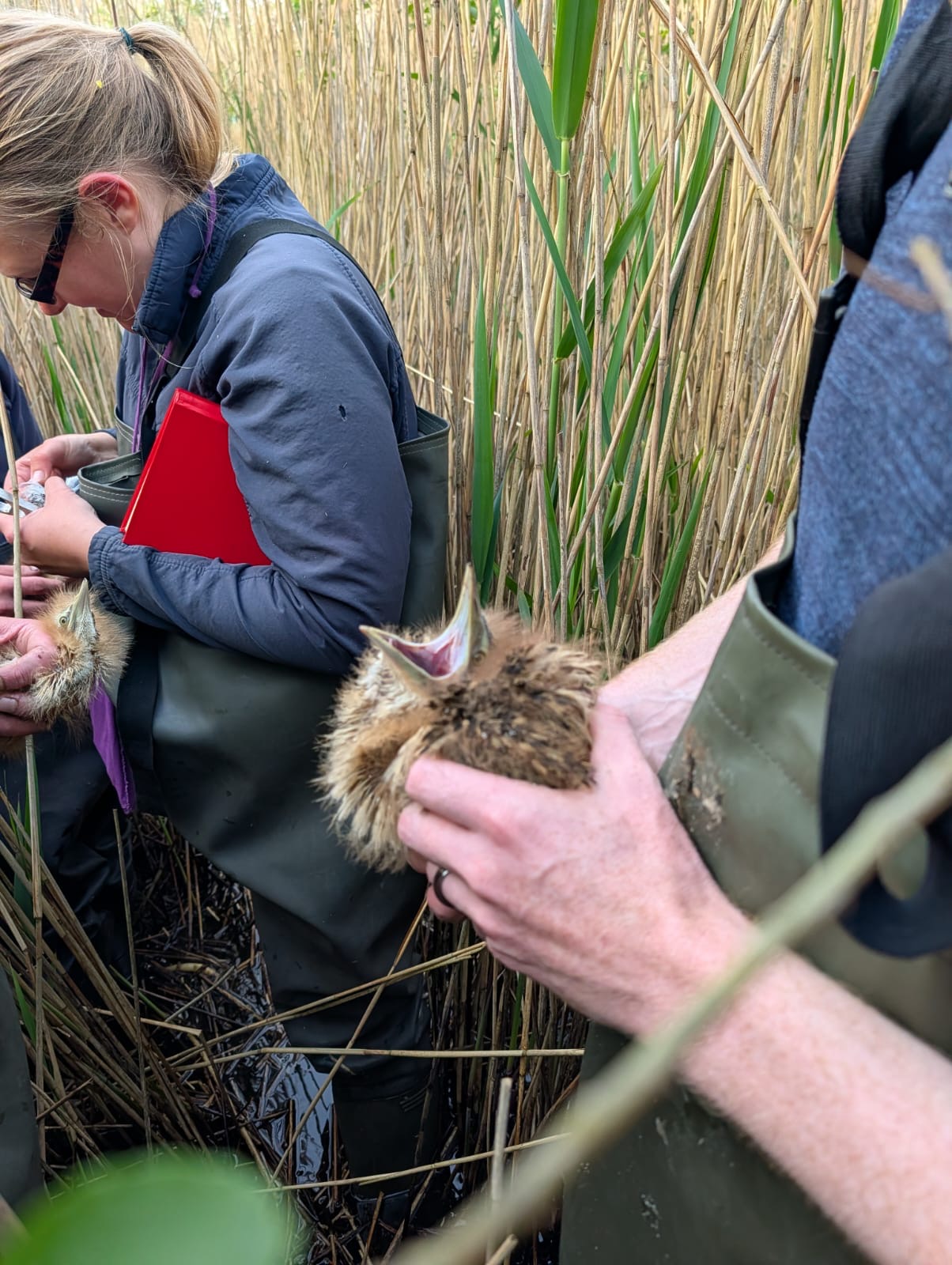
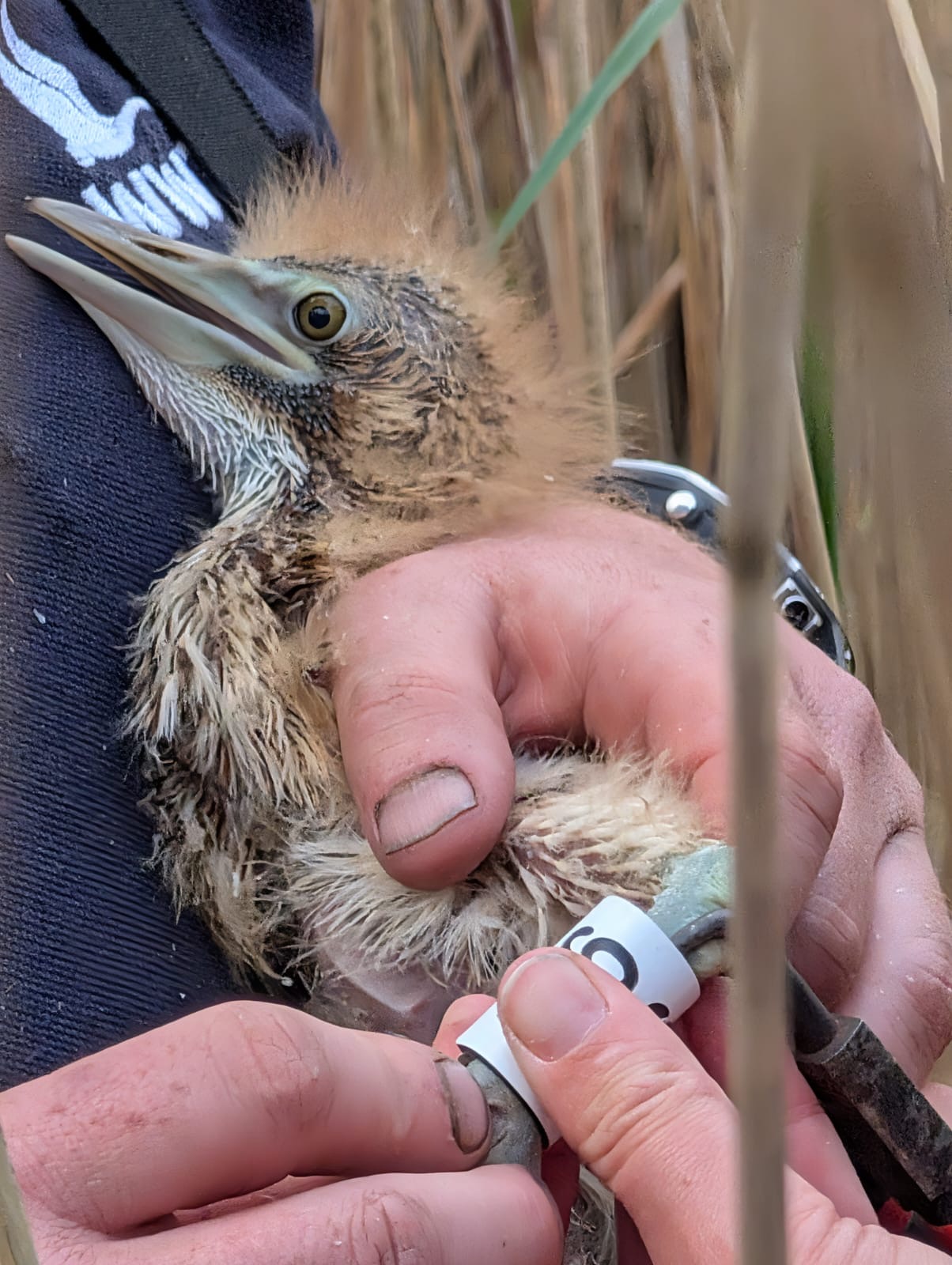
The reserve team have colour-ringed the chicks, so that each one can be identified in the future to track their movements, monitor survival rates, and measure breeding success.
Funding from CMA CGM has enabled the wetland centre to complete the restoration works over a three year period, with employees of the company also volunteering their time to help out with areas such as scrub clearing.
The funding has also enabled the centre to create a more accessible pathway through the reedbed and install benches so that visitors have been able to get closer-up views of the bitterns as they hunt across the reedbed for their young.