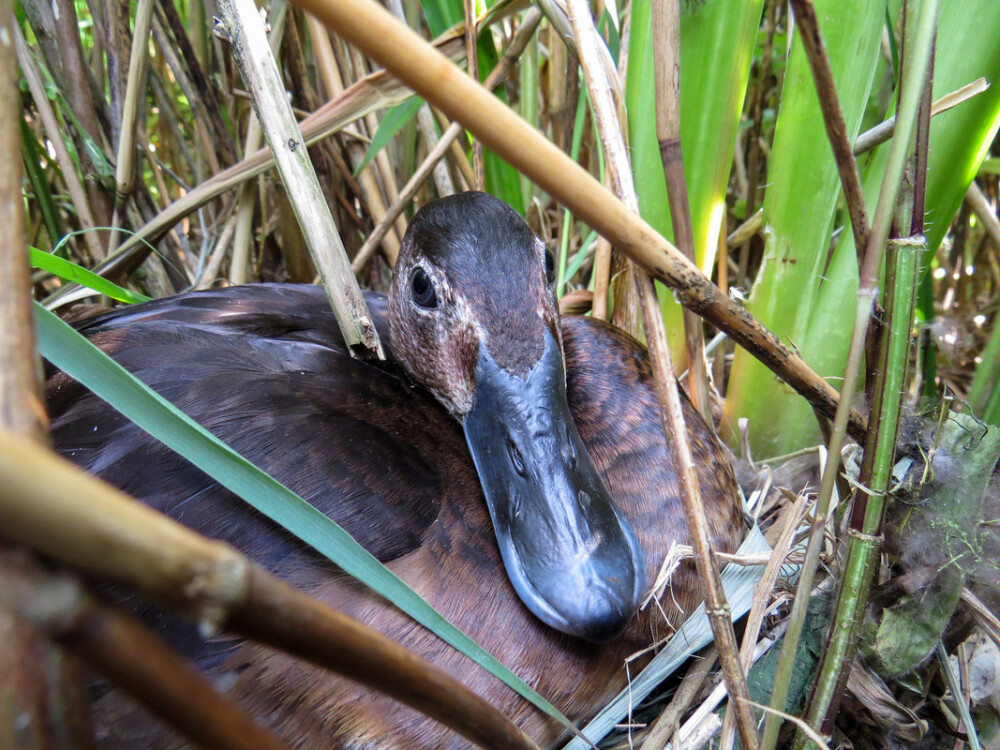
This month, we’re shining a spotlight on one of the world’s most endangered ducks: the Baer’s pochard (Aythya baeri).
This striking diving duck might not be the most familiar face in our Living Collection, but it is a species with an incredibly important story. Once widespread and common across eastern Asia, the Baer’s pochard has suffered a dramatic decline and is now Critically Endangered.
Where are Baer’s pochards found in the wild?
Baer’s pochards were once found across much of eastern Asia, including parts of China, Russia, Mongolia and the Korean Peninsula.
Today, their range is much smaller. Most of the remaining wild birds are found in China, with smaller numbers recorded in southeast Russia.
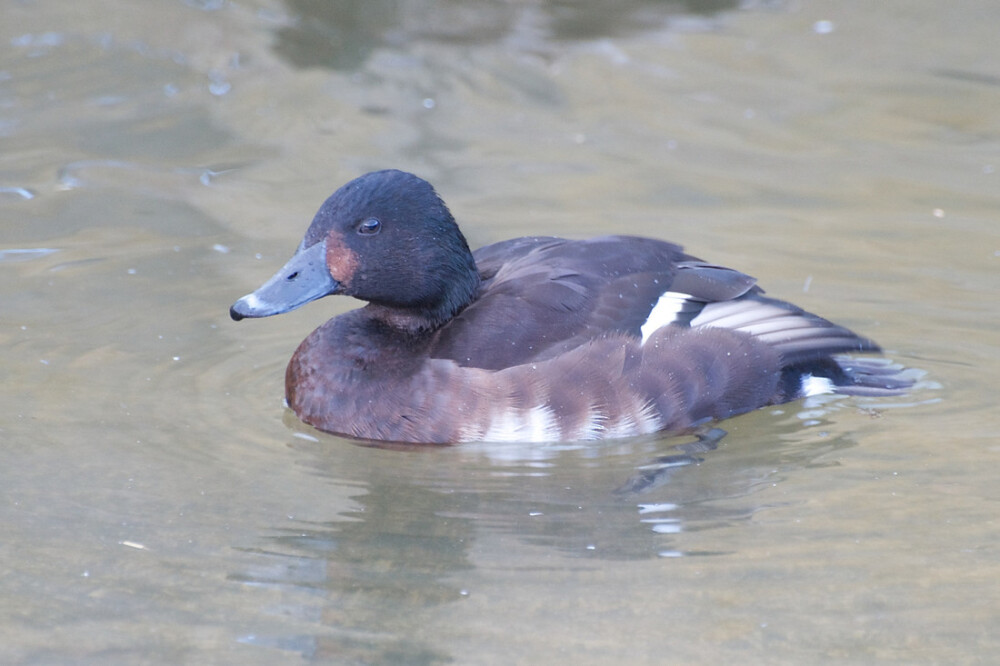
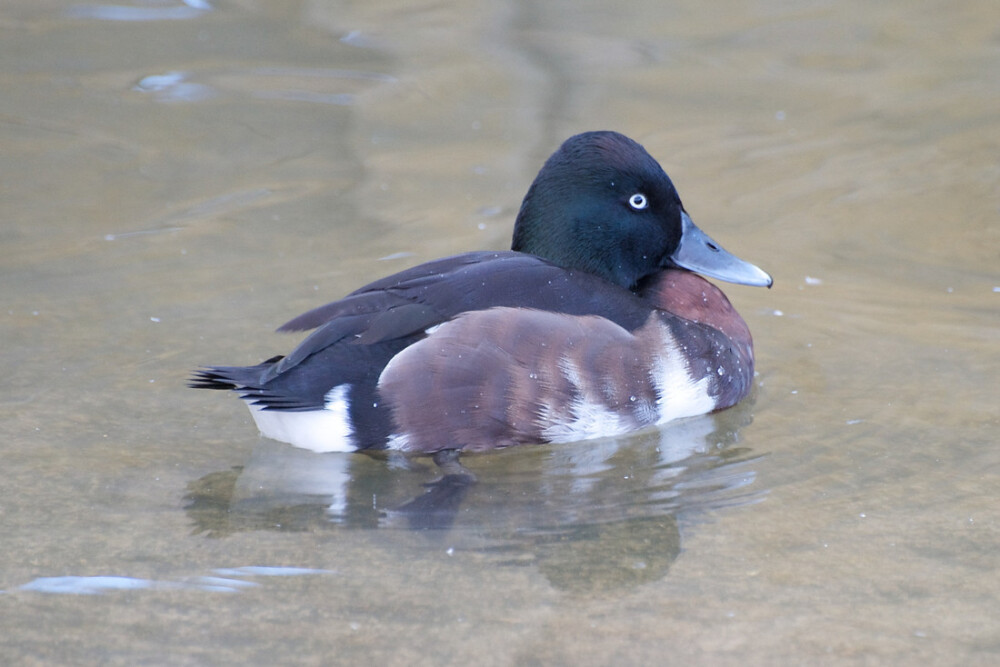
What do Baer’s pochards look like?
Baer’s pochards are medium-sized ducks. Males have a dark, glossy head and neck, a rich chestnut-coloured breast and a pale grey body as well as pale-yellow or white eyes. Females are more subtly coloured, with warm brown plumage and dark eyes with a pale eye-ring.
What do Baer’s pochards eat?
Baer’s pochards are diving ducks, meaning they spend much of their time searching beneath the water for food. Their diet includes aquatic plants and invertebrates.
Why are Baer’s pochards endangered?
Baer’s pochard is classified as Critically Endangered, meaning it is at an extremely high risk of extinction in the wild.
Scientists do not fully know the reasonings behind their decline. However, habitat loss and harvesting of birds and eggs are some of the main suggested causes.
There may now be fewer than 1,000 Baer’s pochards remaining in the wild.
What is WWT doing to help?
WWT is working alongside conservation partners across the species’ range to help Baer’s pochard recover.
We coordinate the East Asian–Australasian Flyway Partnership’s Baer’s Pochard Task Force, bringing together experts and organisations working to protect this special duck.
We also support research, monitoring and wetland conservation, helping to improve our understanding of where Baer’s pochards are found and how their habitats can be better protected.
Where can I see Baer’s pochards at Martin Mere?
Baer’s pochards are part of the Living Collection at WWT Martin Mere, giving visitors the opportunity to see this incredibly rare duck up close.
Inspired to visit?
Come along to WWT Martin Mere and see our Baer’s pochards for yourself!
WWT Members enjoy unlimited visits all year round, while non-members can save 10% when booking tickets online in advance.
A visit to WWT Martin Mere also helps support our work to protect wetlands and the wildlife that depends on it, with proceeds going back into wetland conservation around the world.