The 3 May is International Dawn Chorus Day. The dawn chorus is the symphony of early morning bird song that peaks in the spring and early summer months during breeding season.
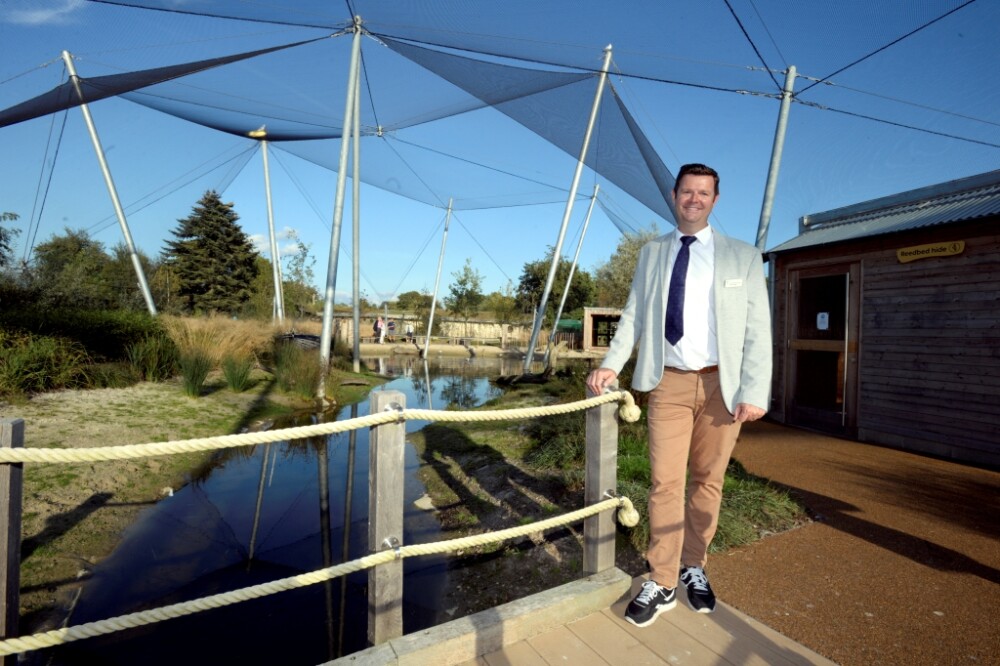
Martin McGill, our Reserve Manager has shared his insights on the best way to enjoy the dawn chorus in the region and what to listen out for.
'If you are planning to catch the dawn chorus from the dark in near silence, with just the owls and other night singers for company, you need to be up early. The song could begin as early as 3.30am in late May, with a later wake-up call during late April or early May. Wrap up warm and take a hot drink because it can be chilly until the sun rises. On sunny days you will be shedding layers as each hour passes. If you are fortunate enough to have lots of trees or mature gardens or park around where you live, set the alarm, open all the windows, and listen from bed.
The song may begin with a woodpigeon or two before the rest of the local population join in. Many species will take a break and then sing on and off through the day with less activity in the middle part or if they are actively feeding young/incubating eggs.
Although the species can change seasonally, the dawn chorus can be heard from March but is nearly silent by early July. The best time to listen is the end of April to mid-May when the resident species are joined by those that winter further south and are in full song. The early resident breeders may also begin a second breeding attempt for the year so could begin singing again. In recent years and perhaps in response to the changing climate, we regularly hear song thrushes begin their song during milder temperatures from late November. Robins sing all winter long and all through the night if a street or house lamp is nearby, you may recognise this cheerful song from around Christmas time.
To hear the dawn chorus you can go to any woodland or scrub with mixed age trees. Areas with extensive scrub or rewilded zones which are sometimes negatively called ‘wasteland’ are extremely productive. Smaller tracts of woodland connected via hedgerows can also offer something of this experience. Urban and suburban areas with mature leafy gardens and tree-lined roads as well as large city parks can also be very productive at first light, before the traffic and noise of the day smothers the sound.
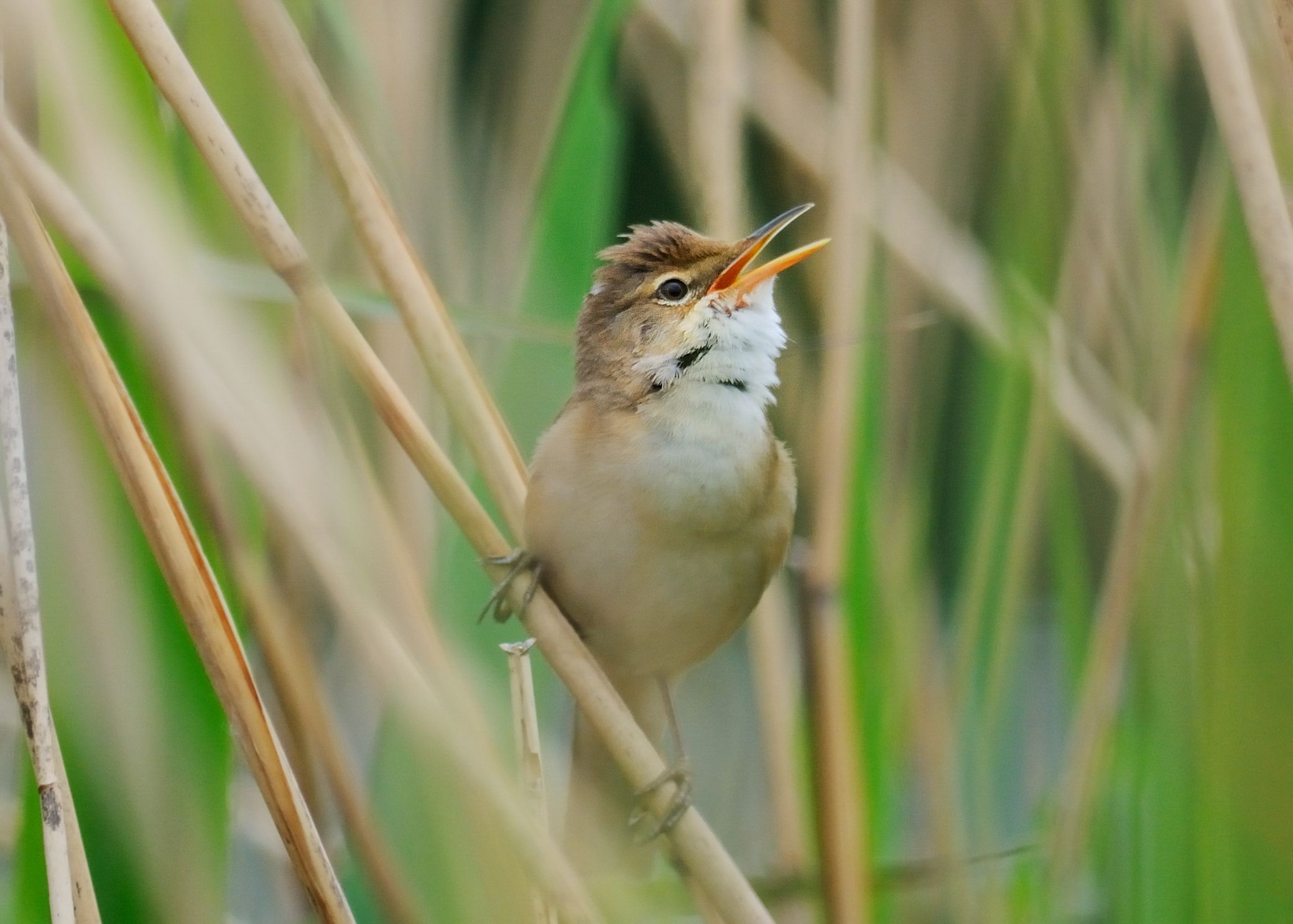
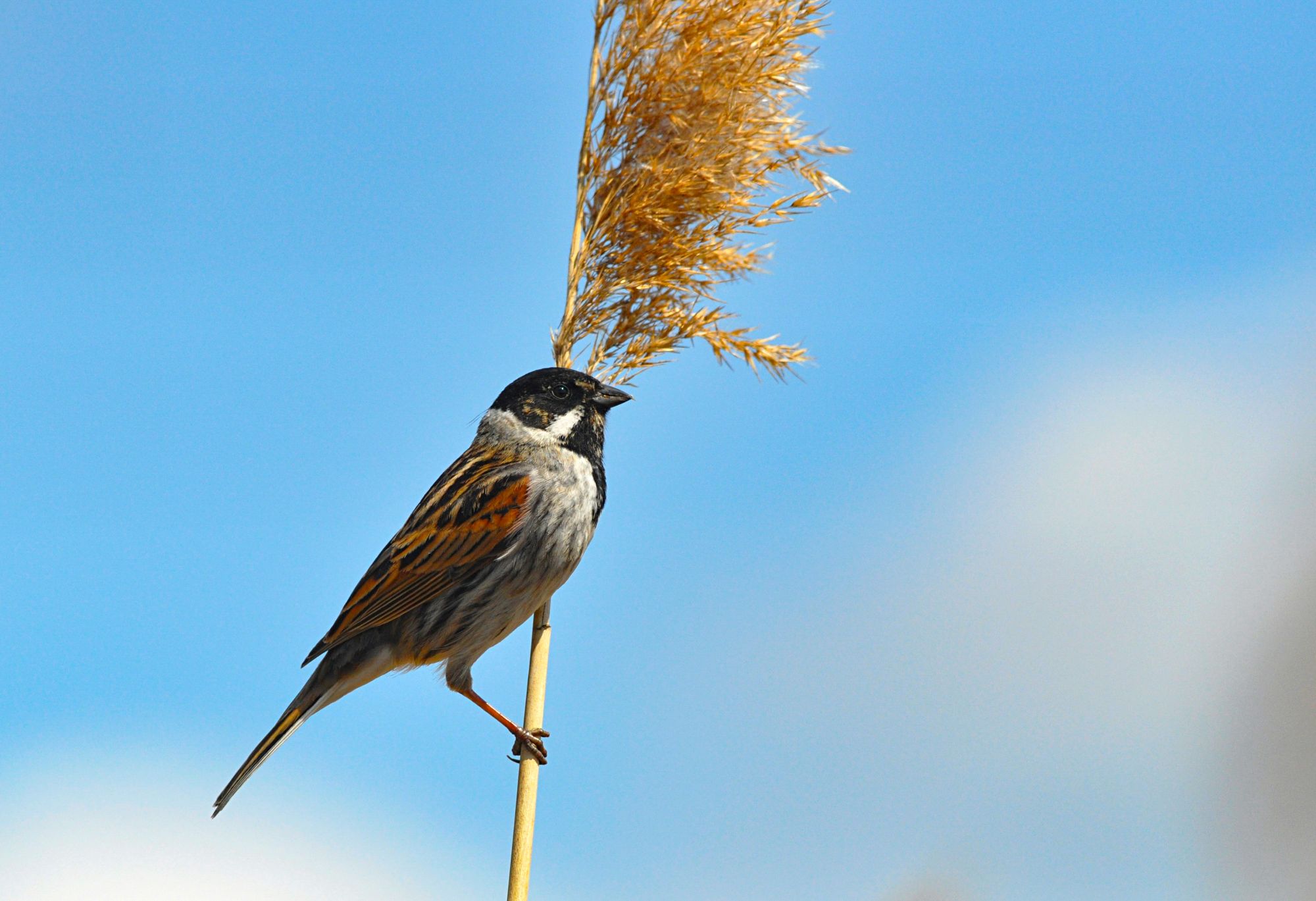
WWT Slimbridge and other healthy wetland areas on the Somerset levels, Chew Valley and Blagdon Lake offer small wet woodlands and wetland habitats that support large numbers of reed bunting, and reed and sedge warblers. Their population densities can be very high, a reedbed with a little scrub is packed with dozens of these birds.
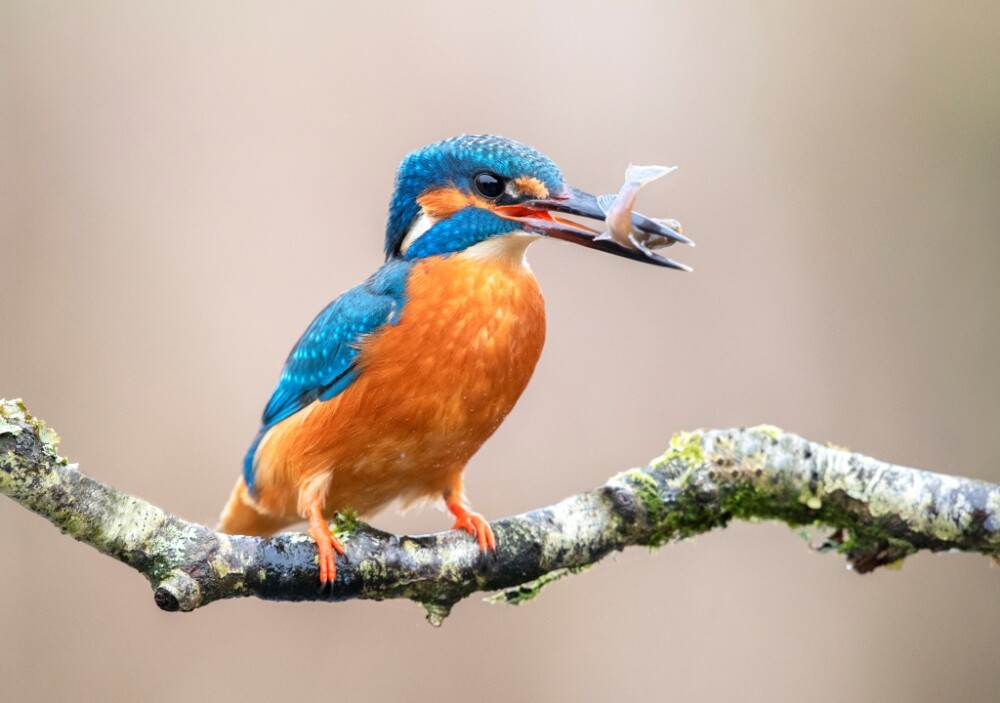
Species you are most likely to encounter are treecreeper, goldcrest, blue tits, great tits, long-tailed tits, chiffchaff, willow warbler, blackcap, wren, woodpigeon, robin, dunnock, song and mistle thrush, blackbird, starling and house sparrow, chaffinch, greenfinch, goldfinch, bullfinch, not a song but the ‘drumming’ of great spotted woodpecker, in the hedgerow and tall scrub you may hear whitethroat and lesser whitethroat, skylark singing high above if fields are nearby. Sadly, the nightingale, one of the finest songsters has all but disappeared from our region.
Some species that were once common are now very hard to locate or locally extinct. With the changing climate some scarcer ‘Mediterranean’ species are becoming a little more regular, the beautiful black and yellow plumage of them male golden oriole and the Iberian chiffchaff to name a couple. Although the former is a striking bird, it’s plumage is perfect for disappearing in the dappled light of the tree canopy, they tend to arrive in May and June.
Learning to identify species by song is rewarding, a little victory each time you recognise one. It can also indicate the overall health of an area, with a little bit of help any area can become more productive with a few measures, denser hedges, a bit of thorn and bramble, if the birds are there, the biodiversity that supports their life is also present. Sadly, the overall decline in songbirds means it is quieter, even silent in some places.
The wave of sound that suddenly develops and washes over you as dawn breaks, especially on a still morning is so powerful, it’s a very emotive experience. It can be more of a challenge to pick out individual songs and calls unless you position yourself under the singing bird—care is needed not to disturb it of course. It’s easier to learn individual calls as the day progresses, song is spaced out and you can give yourself more time with each species. Again, once you learn to identify what it around you it’s so rewarding and vital in flagging up issues with populations. This is where citizen science surveys can help to monitor our wild birds.
In healthy ecosystems I find birding a very positive experience for the mind and soul. So many people seemed to notice birdsong during the Covid lockdown experience, perhaps because it was quieter or people had time and were more mindful in noticing it. I couldn’t imagine a world with no birds or birdsong, that thought just horrifies me. Being aware of, literally tuning in to what is around you demonstrates how birds and other creatures also need space to thrive, understanding this through birding will undoubtedly want you to do more, it leads you down a wonderful rabbit hole of discovery and awareness and I’m sure you will want to do more.'
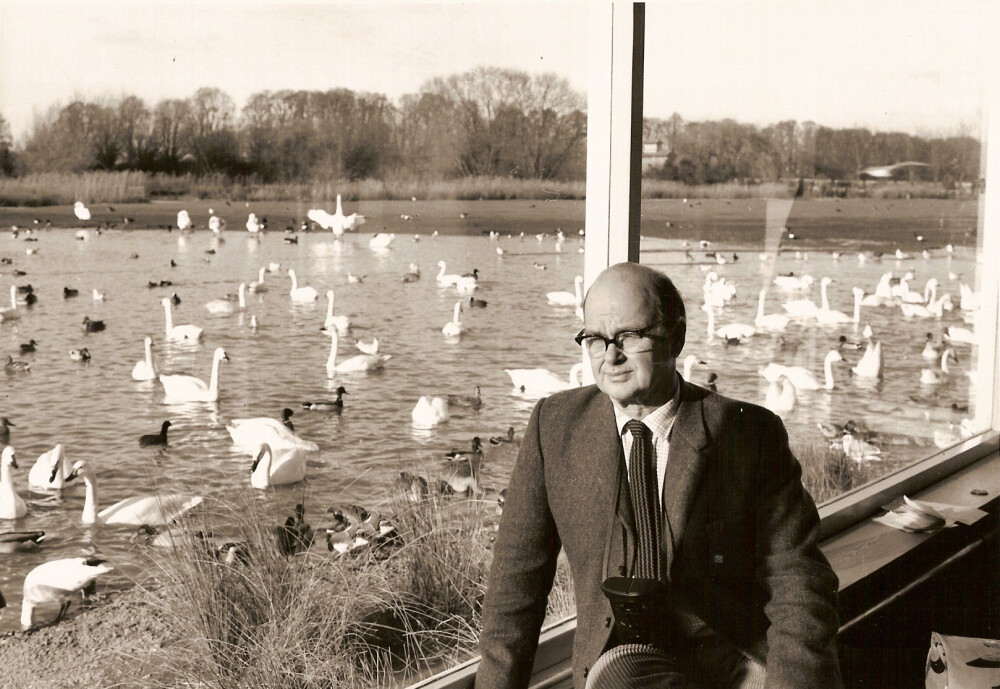
Come and listen to birdsong throughout the day at WWT Slimbridge.