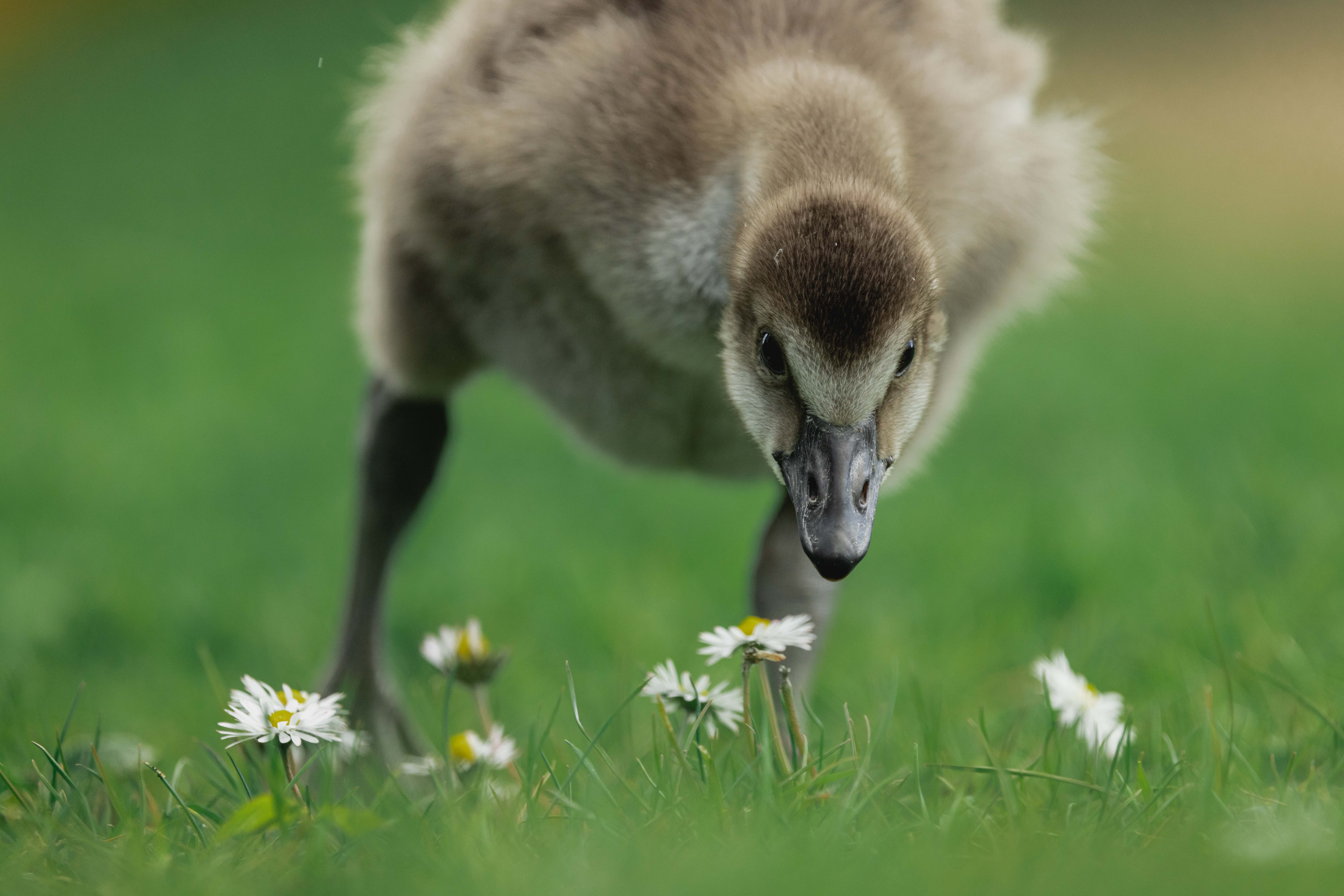
Nēnē goslings have hatched once again this spring and can be seen in their Hawaiian-themed habitat.
During the 1950s the Hawaiian goose — fondly known in Hawaii as ‘nēnē’ for their ‘nay-nay’ murmur — was close to extinction due to the introduction of predators and the loss of habitat in Hawaii. At one point there were only 30 nēnēs left, making them the rarest goose in the world.
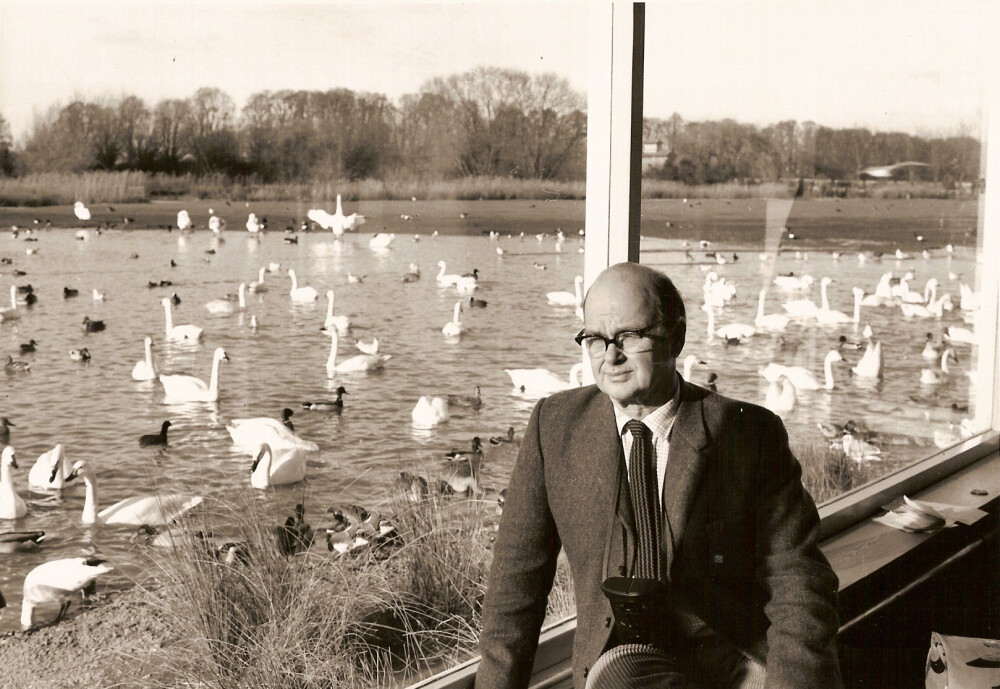
In 1952 WWT's founder Sir Peter Scott and his colleagues had three birds sent from Hawaii to Slimbridge for breeding. Scott and his aviculture team pioneered the first ever captive breeding project for nēnēs which was a great success. Two hundred nēnēs were released on the island of Maui, their native home in 1979. With all the best habitat lost to human development, nēnēs survived by adapting to other environments, such as fertile volcanic slopes. Today they live in Hawaii’s national parks but are also forced to live on airport runways and golf courses.
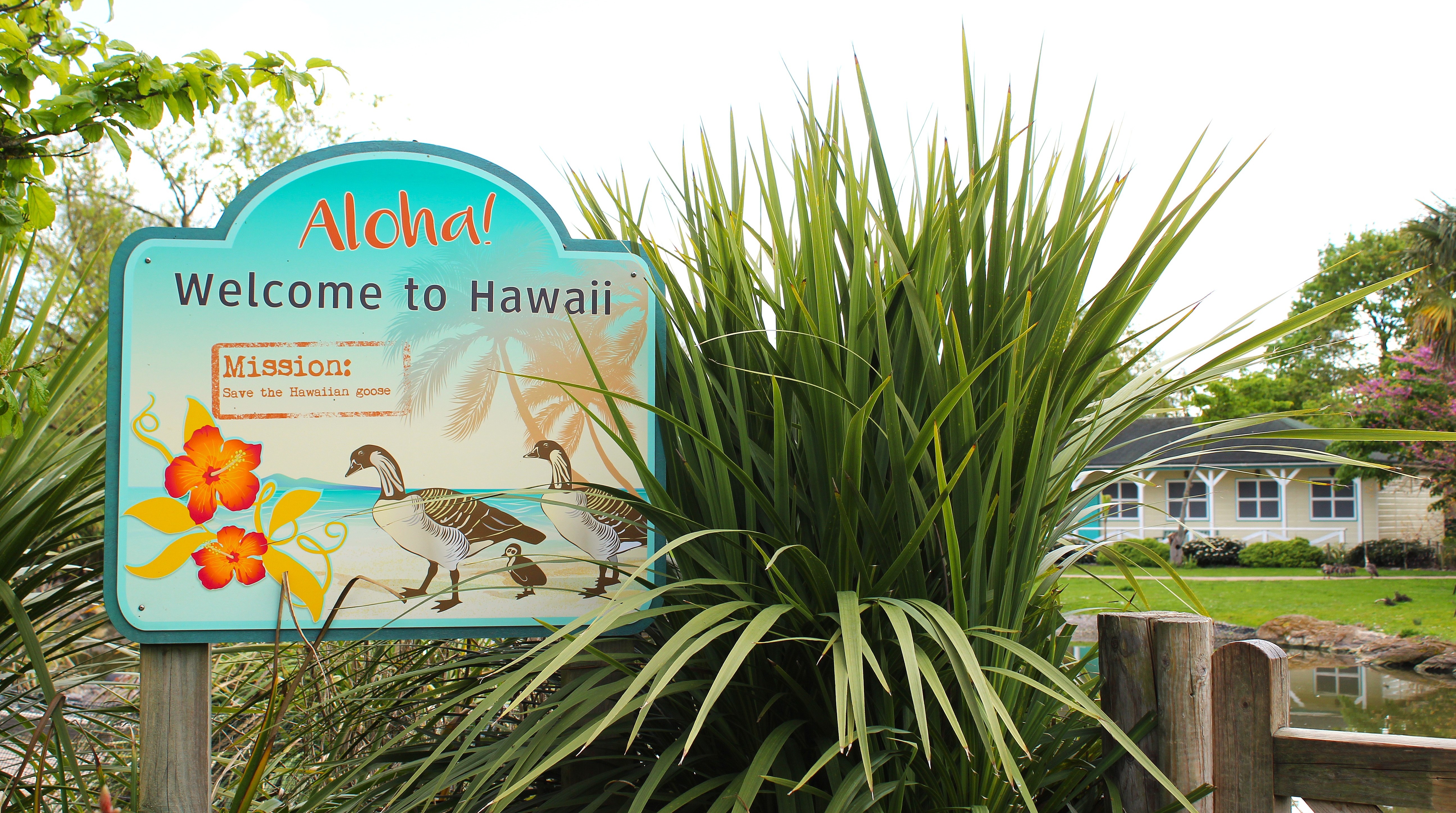
Mission Possible at WWT Slimbridge recreates this Hawaiian landscape and even includes a golf course and golf club house. Visitors can explore the habitat and discover how Sir Peter Scott developed ground-breaking techniques to breed nēnēs and rescue them from the brink of extinction. WWT’s Living Collection team continue to build upon Scott’s work breeding rare and threatened species. In doing so they’ve produced and contributed to best practice guidelines, which assists conservationists to save species.
Phoebe Vaughan, Deputy Living Collections Manager, said: “Hawaiian geese remain one of our firm visitor favourites and our ‘lettuce feeds’ are often a destination in themselves. This year we are really pleased for female ‘M24’ to have a chance to be a mother. Although their population is now over 3000, nēnēs remain one of the rarest geese and their story allows our visitors to really understand human impact on the natural world.”
Learn more about the nēnēs at the 12pm daily lettuce feed in Mission Possible.