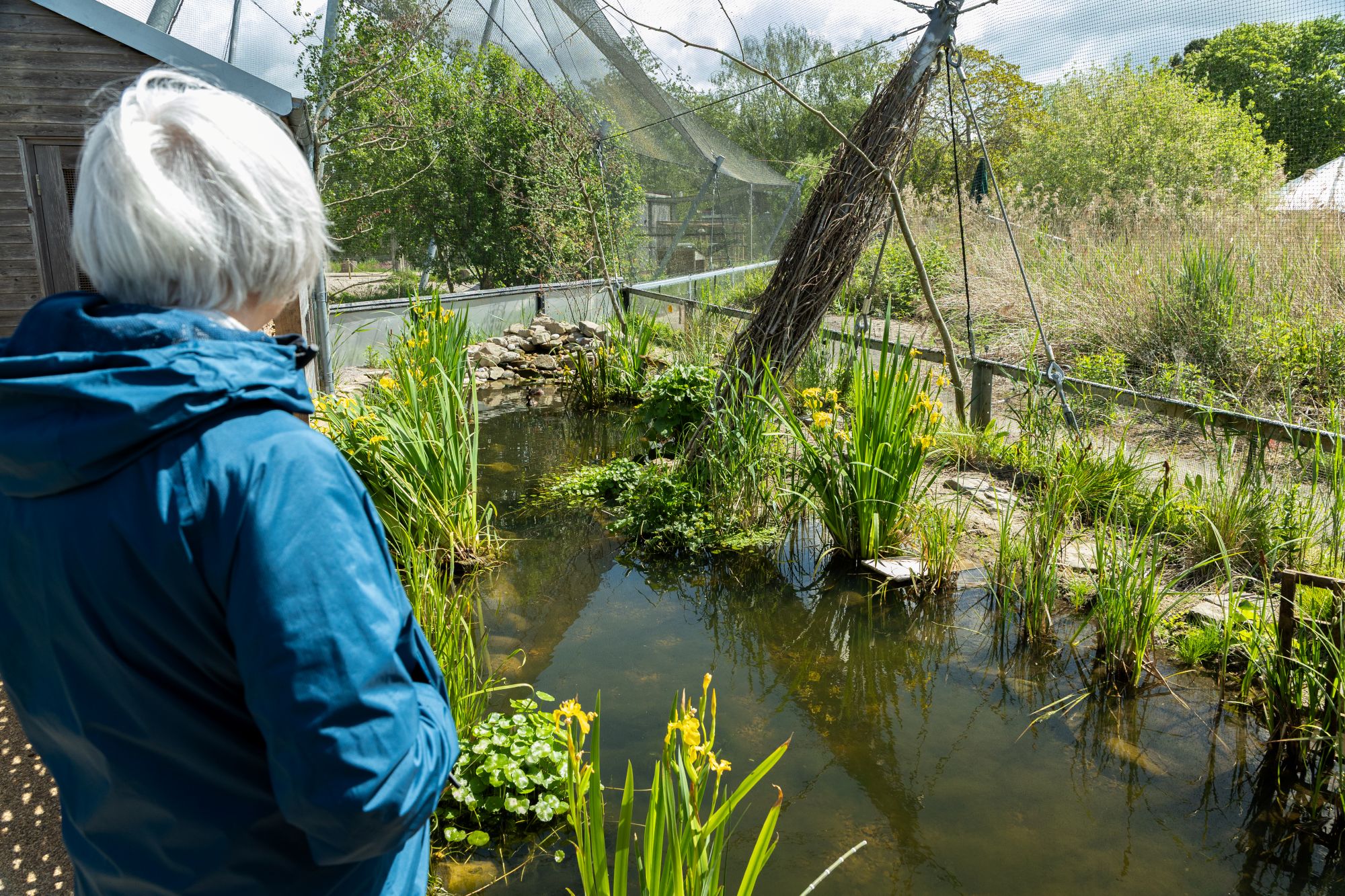
Turtle doves and black-necked grebes are the first residents of our new aviary highlighting the benefits of connecting with the sounds of wetlands. One in four people in England experience poor mental health each year and visiting wetlands has been proven to reduce stress and anxiety. In the new aviary visitors are immersed in the tranquil sounds of wetlands—rustling reeds, trickling water and birdsong.
“We hope that through the Soundscape Aviary our visitors connect more deeply with birdsong and the sounds of the wetlands—taking this experience with them around our site and beyond into their daily lives. With the well documented benefits of blue spaces for mental health, visitors can come and spend time in the aviary to relax and enjoy listening to the magical sounds of wetlands.” - Phoebe Vaughn, Deputy Living Collections Manager – Aviculture.
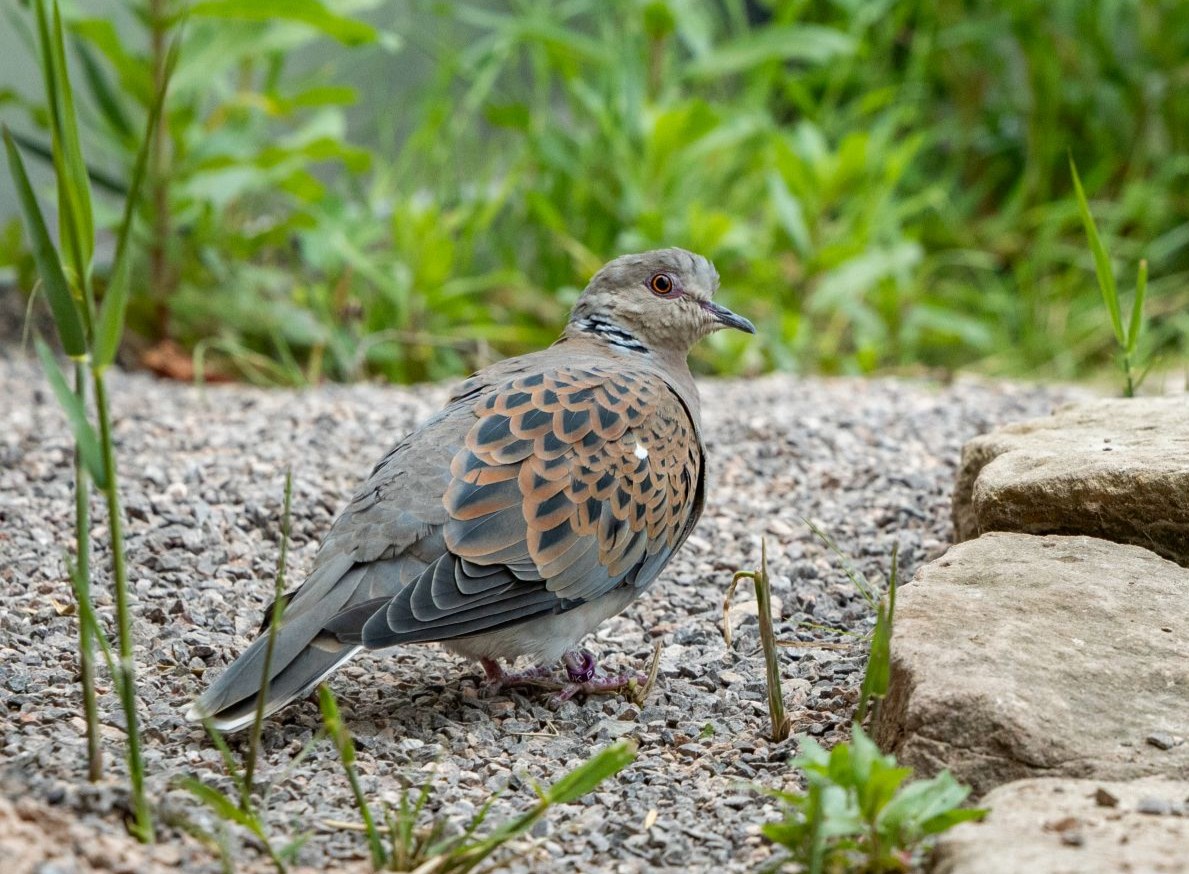
The distinctive sound of the turtle dove used to be a commonly heard from mid-April to August when the birds migrated to the UK from West Africa to breed. However, the last recorded sighting of a turtle dove at Slimbridge was in 2006 and it is the fastest declining bird species in the UK. The turtle dove has a distinctive tortoise shell pattern on its wings and is a symbol of love and devotion due to their livelong bonds. Visitors will hear the soft purring “turr turr” sound of the turtle doves perched in bushes and trees within the Soundscape Aviary.
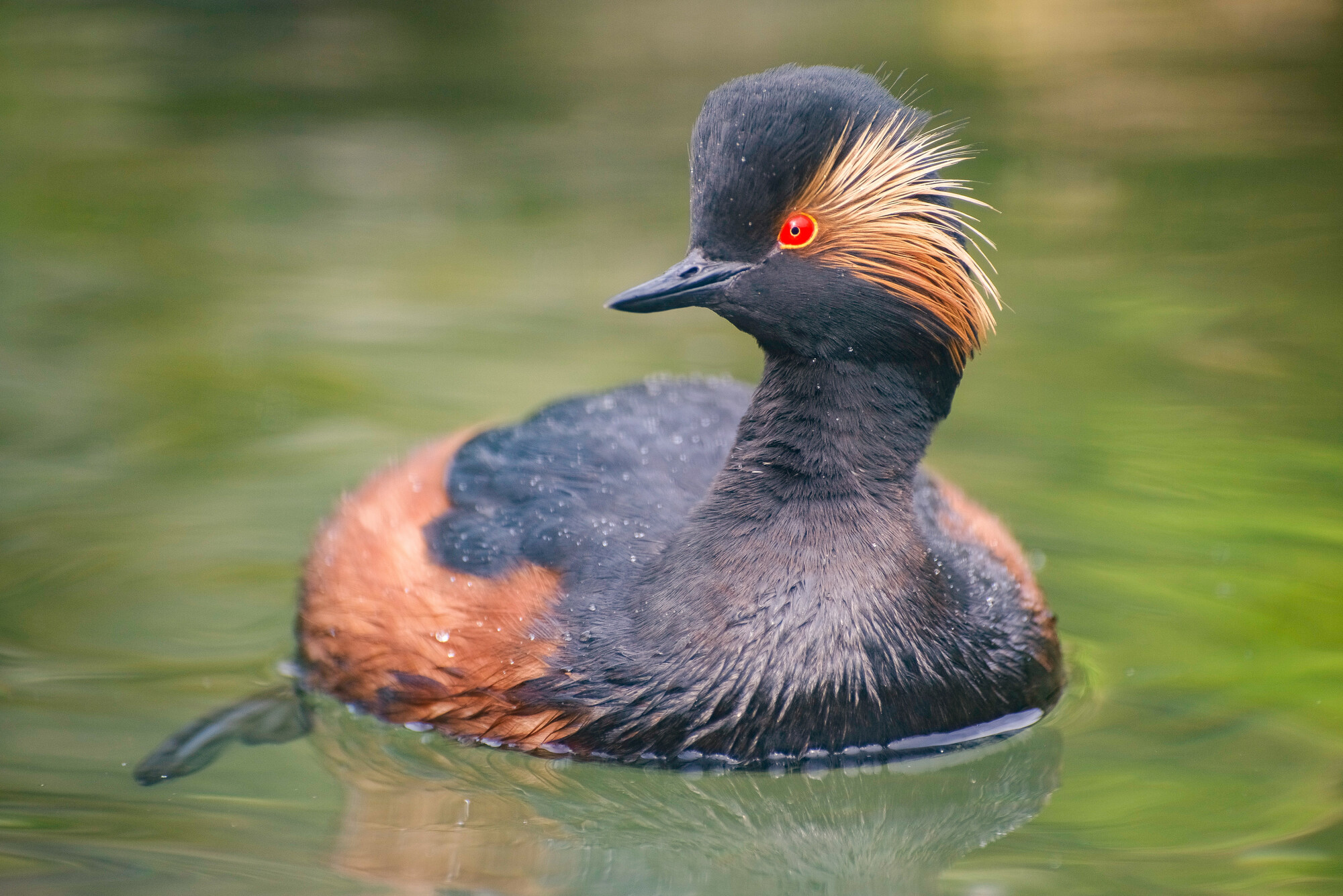
The turtle doves are joined by two black-necked grebes. These birds are amber listed in the UK with a small but stable population. They have golden tufted feathers around their face and distinctive red eyes which contrast with their black feathers. They are superb divers and carry their young on their backs which is known as ‘back-brooding’. Their territorial call is a quiet rising “pu-iii(ch)”. The black-necked grebes were selected for the aviary due to the softness of their sound—encouraging visitors to be still, focus and listen for the reward of hearing their call.
Simon Matthews, our Living Collections Manager explains why these two species were selected:
“The sound of the vocal turtle dove is being lost, along with the iconic call of the curlew and the song of many other declining species. Birdsong can evoke memory of how the wetlands used to sound, and our hope is that they will sound this way again in the future.”
The Soundscape Aviary is based inside Waterscapes Aviary.
Come and experience the sounds of the wetlands.