
Blog
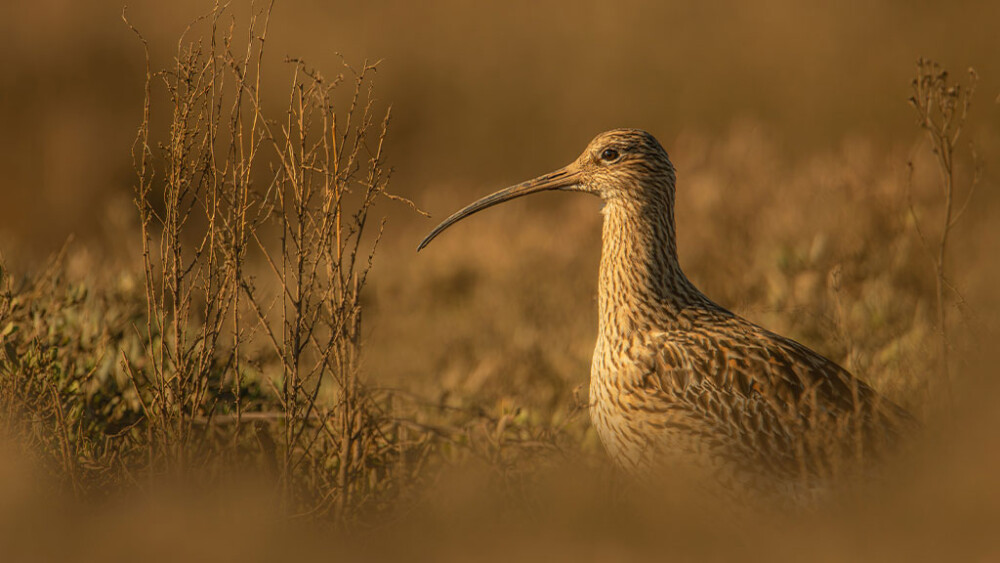
Our present: the wildlife of WWT wetlands
Wetlands are places of wonder. Teeming with life, they are home to 40% of the world’s wildlife.
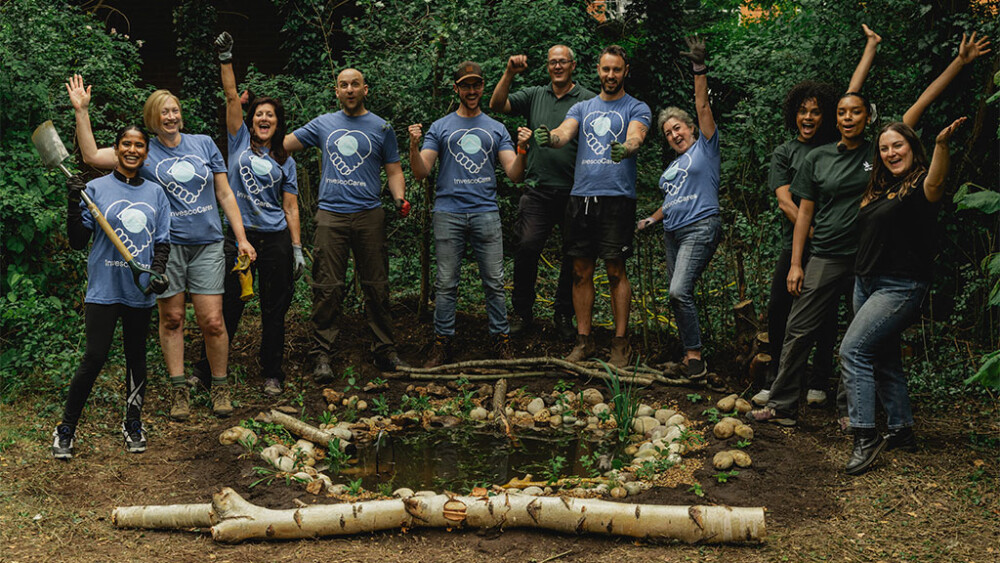
What three years of partnering with WWT has taught us
By Claire Myers, Director, Corporate Responsibility at Invesco.
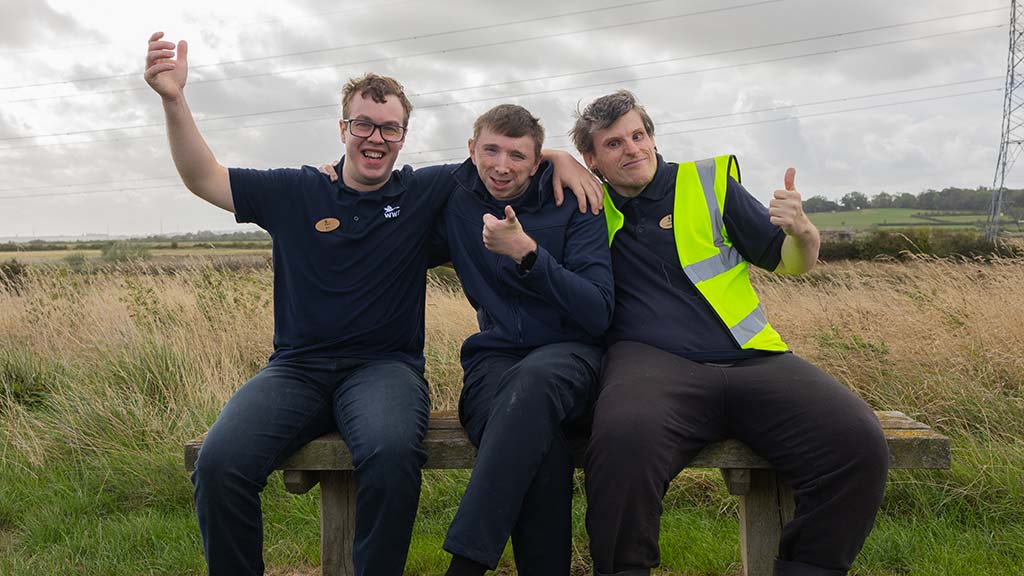
Our present: the people who make WWT
When you think of WWT, chances are you think of our beautiful wetland centres or one of our many conservation projects.
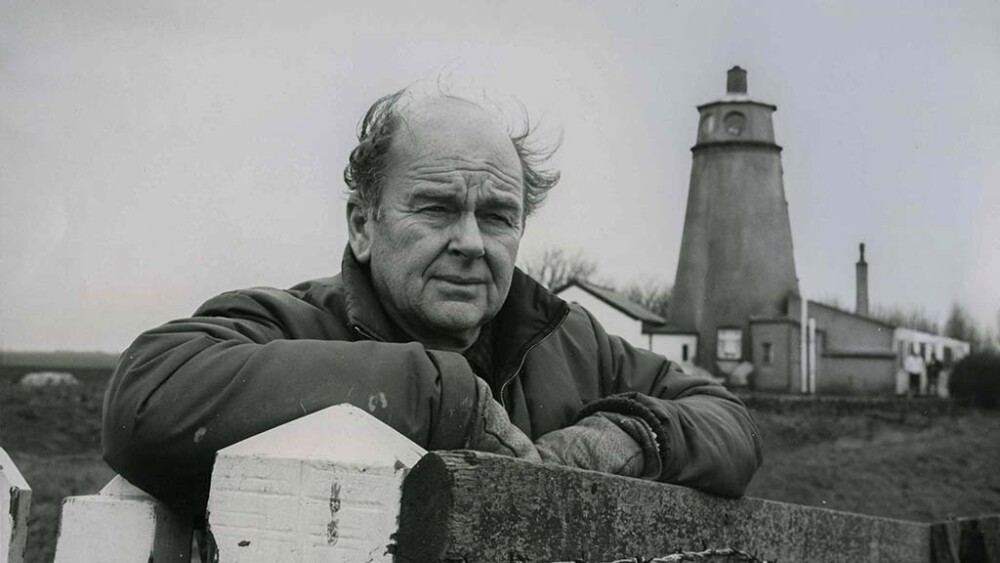
Our history: Reflections on 80 years of wetland conservation
When Sir Peter Scott founded WWT back in 1946, he had a vision for a future where wetlands thrived.
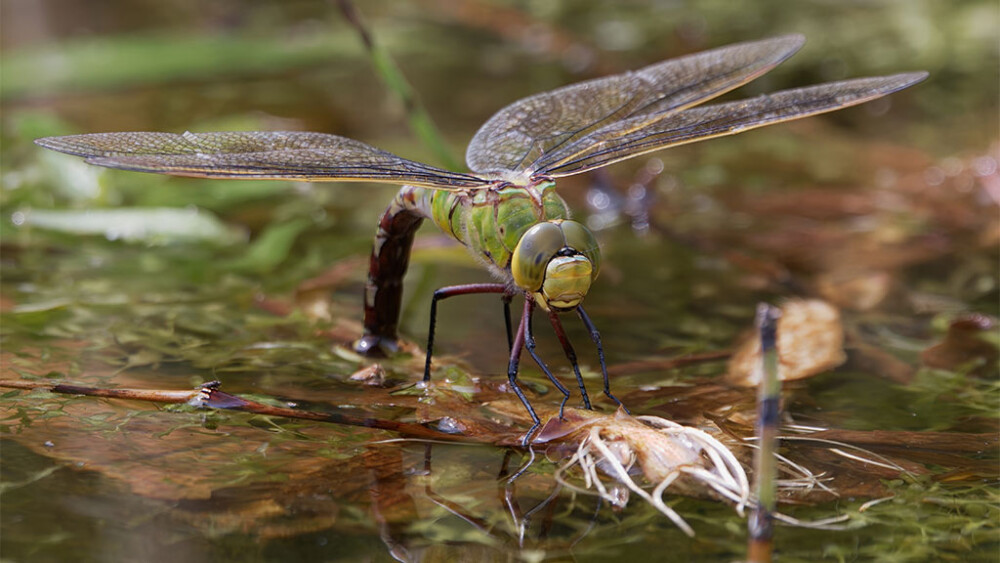
Summer stories from WWT’s wetland reserves
It’s been a long, hot summer, and our wetland reserves have been treated to some incredible wildlife highlights this season. From rare butterfly sightings to successful breeding seasons, there’s a lot to celebrate.
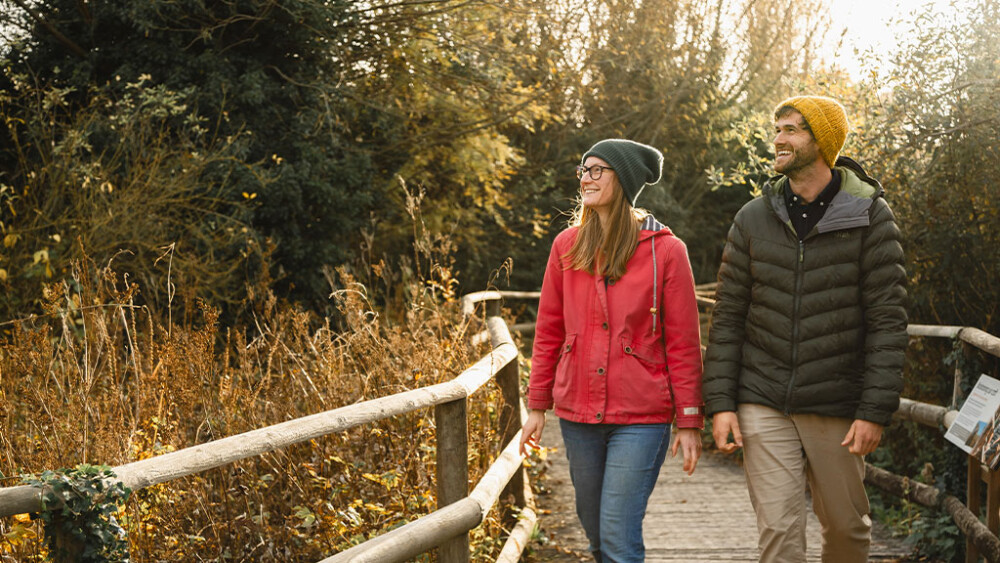
Autumn and winter wetland escapes
Staycation inspiration for a seasonal adventure to the UK’s wetlands.
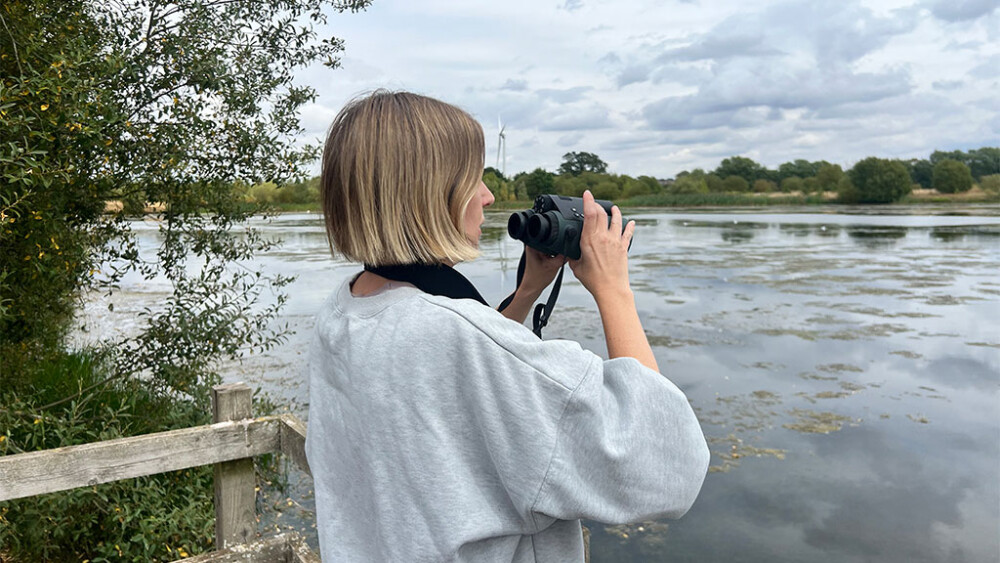
Which Swarovski binoculars are best for bird watching?
By Sarah Dawson.
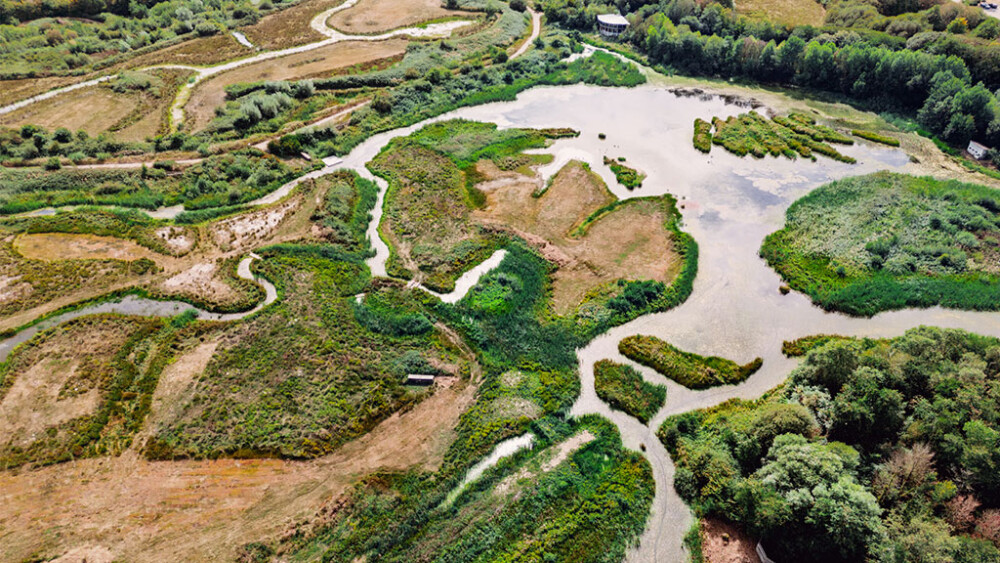
A picture tells a thousand words
By Sarah Fowler, WWT Chief Executive
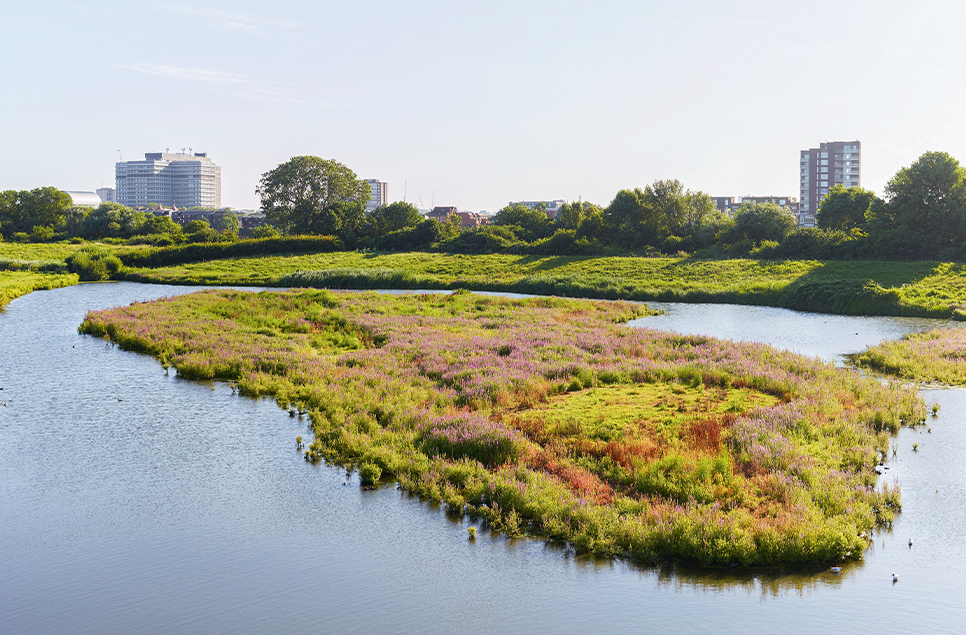
Hot cities and cool wetlands
We’ve all been feeling warm recently and heatwaves are expected to be more intense and more frequent in the future as our climate warms.
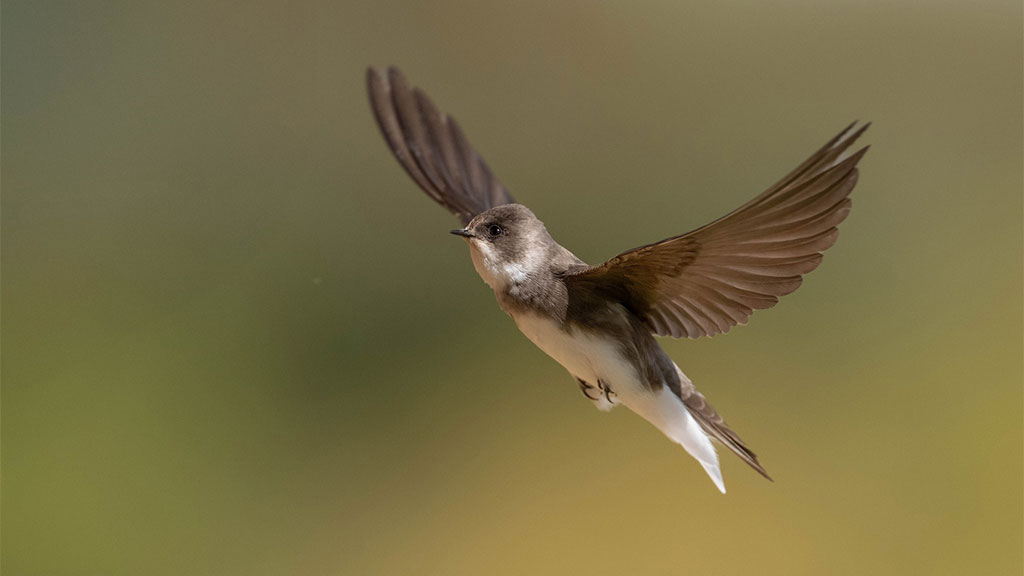
Spring stories from WWT’s wetlands
After a long winter, WWT’s hard-working teams of reserve staff and volunteers have been busy getting our wetlands ready for spring. Resident species are kicking off the breeding season, while migrant birds are just arriving. They’re followed by the first dragonflies on the wing, too – it’s a true time of change.
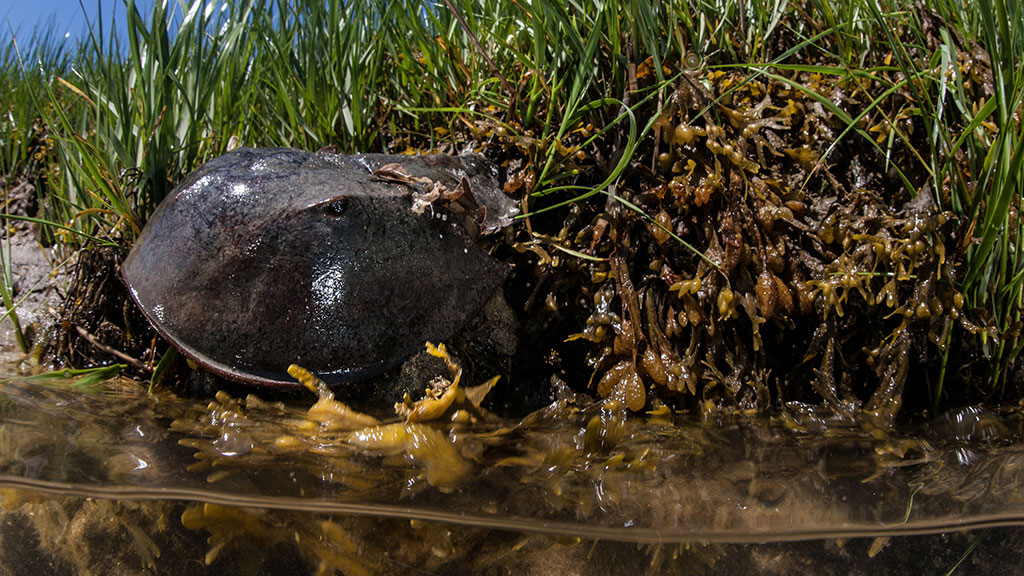
The amazing biodiversity of saltmarshes
From the tiniest marine worm to the most spectacular flock of waders, saltmarshes support a huge abundance of biodiversity around the world. Read on to discover some of these remarkable species, and how WWT is shining a light on this understudied habitat.
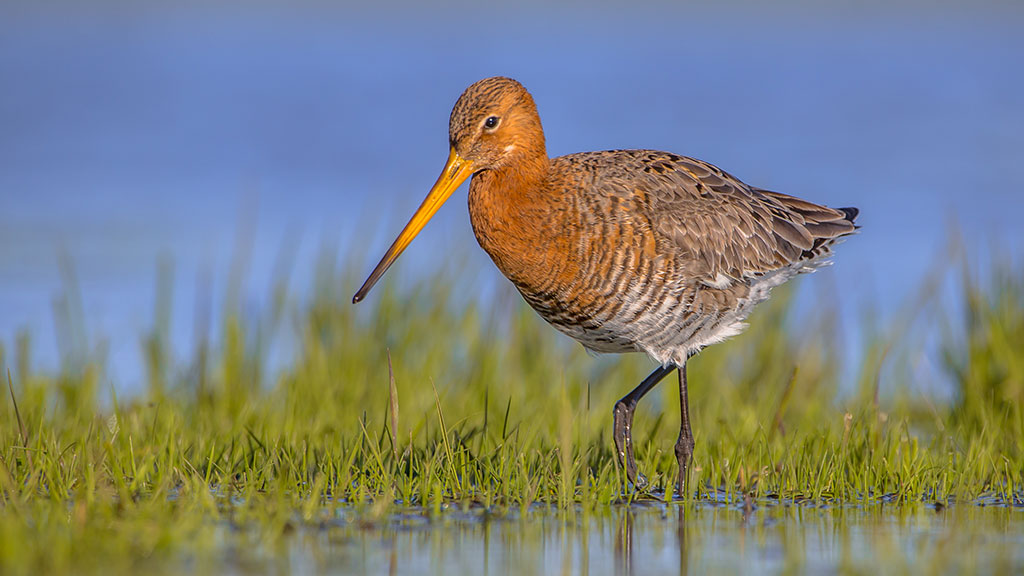
Next steps for Godwit Futures
At long last, spring has sprung. The swallows are back, cuckoos are calling, and our wetlands are bursting into life. Adorably fluffy greylag goslings, mallard ducklings and moorhen chicks can all be spotted waddling about on their first wetland adventures. Spring also heralds an important moment for black-tailed godwits across our WWT sites.
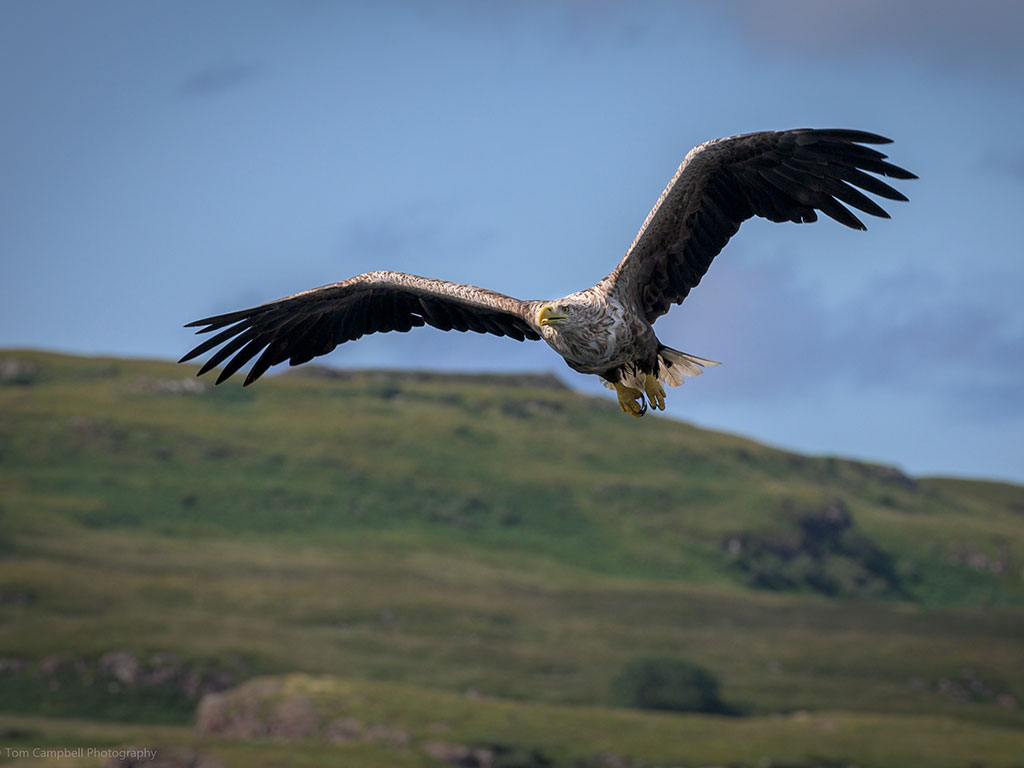
Restoring wings over wetlands
High above Welsh wetlands and the Severn Estuary, something essential has been missing.

Community wetlands: nature shaped by people
When we think of wetlands, we might imagine vast reedbeds or open estuaries stretching to the horizon. Yet across towns and cities, smaller wetlands are quietly shaped, restored and cared for by the people who live alongside them.
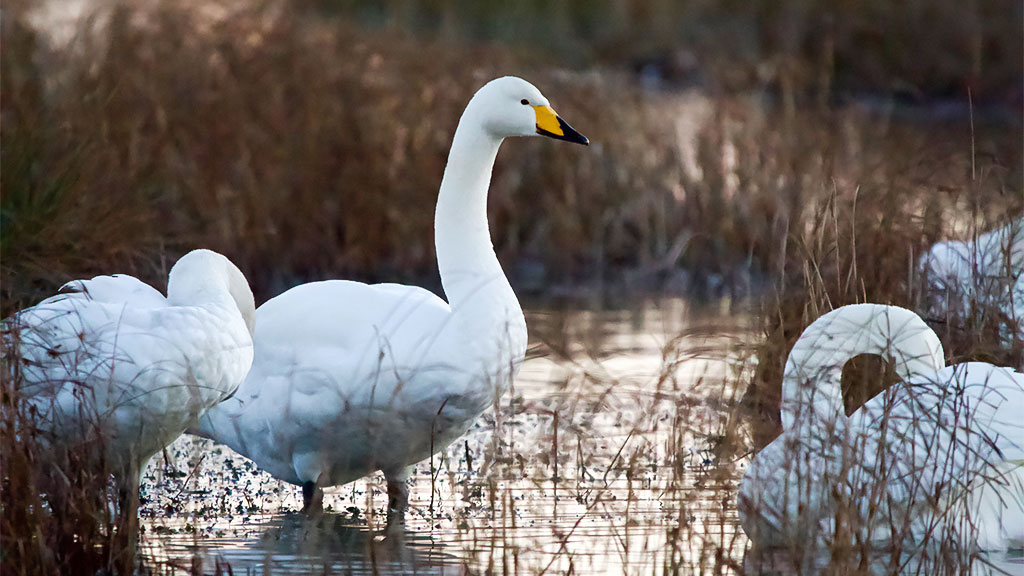
Winter Stories from WWT’s Wetland Reserve
Winter is a busy time for wildlife across all ten of our wetland reserves. From swans to shoveler, geese to godwits and otters to owls, every site has its own series of winter wonders.